How a creator made a viral AI short film
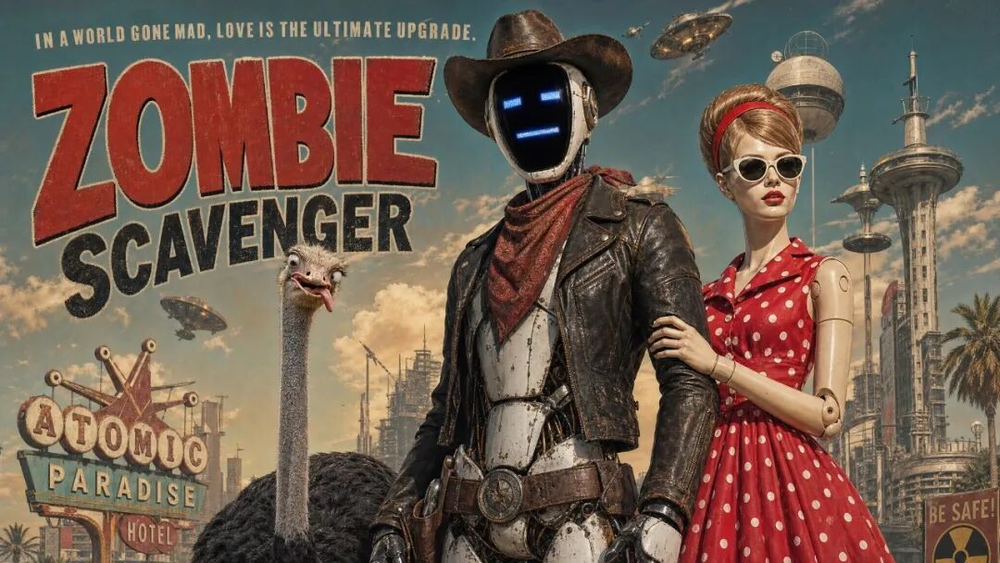
💡Learn how a creator used AI to achieve viral success by focusing on narrative logic over raw technical skill.
⚡ 30-Second TL;DR
What Changed
The creator used AI tools to amplify his 10 years of accumulated aesthetic and narrative experience.
Why It Matters
This case study challenges the notion that AI replaces human creativity, suggesting instead that it acts as a force multiplier for experienced storytellers.
What To Do Next
Focus on developing strong narrative logic and directorial intent when building AI-assisted creative workflows.
Key Points
- •The creator used AI tools to amplify his 10 years of accumulated aesthetic and narrative experience.
- •Success came from 'teaching AI why' (logic) rather than just 'what' (commands).
- •Strategic product decisions, such as using robots to avoid AI's weakness in human facial expressions, were key.
- •The film's success highlights that content quality and cross-cultural appeal remain the ultimate competitive edge.
🧠 Deep Insight
AI-generated analysis for this event — not the original article.
🔑 Enhanced Key Takeaways
- •The 'Zombie Cleaner' project utilized a hybrid workflow combining Midjourney for visual asset generation and Runway Gen-2 for temporal consistency in motion sequences.
- •The creator employed a 'frame-by-frame' iterative refinement process, manually correcting AI-generated artifacts in post-production to maintain visual coherence.
- •The film's viral success was significantly amplified by algorithmic optimization on short-video platforms, specifically targeting high-retention segments within the first 3 seconds.
- •The project serves as a case study for the 'AI-native' production model, where the cost of production was reduced by approximately 90% compared to traditional CGI-heavy short films.
- •The creator's methodology emphasizes 'prompt engineering as a narrative language,' utilizing specific stylistic descriptors to maintain a consistent color palette and lighting atmosphere across disparate AI generations.
🛠️ Technical Deep Dive
- Visual Generation: Utilized Midjourney v6 for high-fidelity character design and environmental textures.
- Motion Synthesis: Employed Runway Gen-2 and Luma Dream Machine for animating static assets, focusing on camera movement parameters to mask AI morphing artifacts.
- Audio Integration: Leveraged ElevenLabs for voice synthesis and Suno AI for background score generation, synchronized via Adobe Premiere Pro.
- Workflow Optimization: Implemented a custom script to automate the batch processing of image-to-video transitions to ensure consistent frame rates.
🔮 Future ImplicationsAI analysis grounded in cited sources
⏳ Timeline
Weekly AI Recap
Read this week's curated digest of top AI events →
👉Related Updates

AI-curated news aggregator. All content rights belong to original publishers.
Original source: 虎嗅 ↗
This is a summary, not the original. Read the source, or get the weekly briefing.
The weekly digest
One email a week. Unsubscribe anytime.