High-Level ADAS: Auto Market's Post-Price War Anchor?
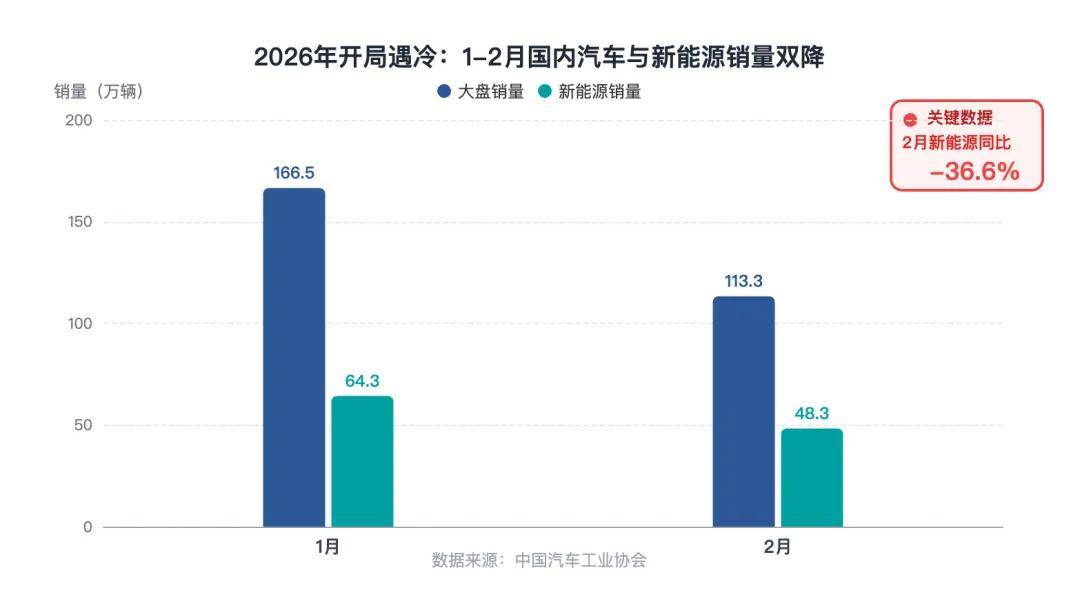
💡Price wars fail: Is ADAS the auto AI growth pivot? China market insights
⚡ 30-Second TL;DR
What Changed
Price wars diminishing in auto sector
Why It Matters
Shifts auto competition to AI-driven features, boosting demand for ADAS tech stacks.
What To Do Next
Benchmark Huawei or XPeng L3 ADAS APIs for integration feasibility.
Key Points
- •Price wars diminishing in auto sector
- •High-level intelligent driving as new market anchor
- •Seeks next growth engine amid weak pricing effects
- •Focus on China's competitive auto landscape
🧠 Deep Insight
Background and context from public sources — not the original article. 4 sources cited.
🔑 Enhanced Key Takeaways
- •Chinese automakers are shifting competition from price-based strategies to advanced autonomous driving capabilities, with BYD and emerging EV leaders leveraging intelligent driving systems as differentiation tools as regulatory price controls take effect[1][2]
- •The phase-out of EV subsidies and trade-in incentives in 2026 is forcing OEMs to develop higher-margin, technology-driven products rather than compete on cost, fundamentally reshaping the competitive landscape[3]
- •NEV (New Energy Vehicle) sales now represent 50% of China's auto market as of end-2025, with 100% of net growth coming from electrification, making advanced ADAS a critical feature for market participation rather than a luxury differentiator[4]
🔮 Future ImplicationsAI analysis grounded in cited sources
⏳ Timeline
📎 Sources (4)
Factual claims are grounded in the sources below. Forward-looking analysis is AI-generated interpretation.
Weekly AI Recap
Read this week's curated digest of top AI events →
👉Related Updates
AI-curated news aggregator. All content rights belong to original publishers.
Original source: 钛媒体 ↗
This is a summary, not the original. Read the source, or get the weekly briefing.
Weekly AI briefing
One email a week. Unsubscribe anytime.