HGST Leads HDD Reliability, Toshiba Trails
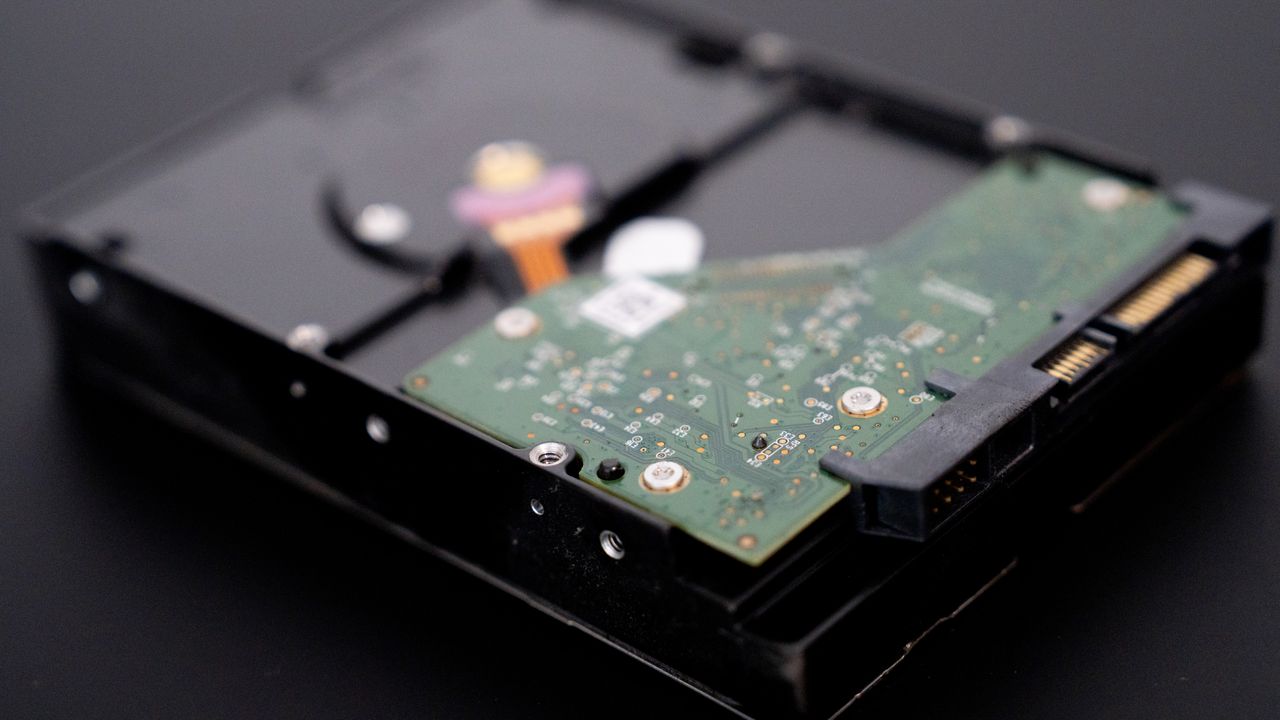
💡Storage failures can derail AI workloads; this study identifies which HDD vendors performed best across 1.66 million dri
⚡ 30-Second TL;DR
What Changed
The study analyzed 443,000 Backblaze hard drives.
Why It Matters
For AI teams operating large datasets, model checkpoints, or retrieval indexes, drive reliability can affect storage costs, recovery time, and workload availability. The findings support using vendor-specific failure data when designing redundant storage rather than treating all HDD brands as equivalent.
What To Do Next
Use the latest Backblaze Drive Stats to compare vendor failure rates before selecting HDDs for AI dataset, checkpoint, or backup storage.
Key Points
- •The study analyzed 443,000 Backblaze hard drives.
- •The dataset represents 1.66 million drive-years of operation.
- •HGST ranked as the most reliable HDD manufacturer, while Toshiba ranked last.
- •Seagate and Toshiba drives failed at roughly twice the rate of Western Digital and HGST drives.
🧠 Deep Insight
AI-generated analysis for this event.
🔑 Enhanced Key Takeaways
- •Backblaze's reliability reports are based on their specific data center environment, which involves high-density storage pods that may not reflect consumer-grade desktop usage patterns.
- •HGST (Hitachi Global Storage Technologies) was acquired by Western Digital in 2012, leading to the gradual integration of HGST's helium-sealed technology into Western Digital's enterprise product lines.
- •Annualized Failure Rates (AFR) are heavily influenced by drive age and specific model series, meaning manufacturer-wide rankings can fluctuate significantly as older models are retired and newer ones are deployed.
- •The disparity in failure rates between manufacturers often correlates with the specific workload profiles (e.g., read-intensive vs. write-intensive) assigned to different drive models within the Backblaze fleet.
- •Toshiba's lower rankings in these specific reports have historically been attributed to the inclusion of smaller, older capacity drives in the sample set, which naturally exhibit higher failure rates due to age.
📊 Competitor Analysis▸ Show
| Manufacturer | Reliability Standing | Primary Market Focus | Technology Differentiator |
|---|---|---|---|
| HGST (WD) | High | Enterprise/Cloud | Helium-sealed platform |
| Western Digital | High | Consumer/Enterprise | Broad portfolio integration |
| Seagate | Moderate | Enterprise/Consumer | HAMR/MAMR innovation |
| Toshiba | Low (in reports) | Enterprise/Surveillance | Cost-effective capacity |
🛠️ Technical Deep Dive
- Helium-sealed drive architecture reduces internal turbulence and friction, allowing for thinner platters and higher areal density.
- Multi-Actuator Technology (MACH.2) is utilized by some manufacturers to improve IOPS performance by allowing two independent actuators to read/write data simultaneously.
- Conventional Magnetic Recording (CMR) vs. Shingled Magnetic Recording (SMR) impacts drive longevity and performance, with SMR drives often showing different failure characteristics in high-write environments.
- Vibration sensors in enterprise-grade HDDs are critical for maintaining head positioning accuracy in high-density racks, directly impacting reliability metrics.
🔮 Future ImplicationsAI analysis grounded in cited sources
⏳ Timeline
Weekly AI Recap
Read this week's curated digest of top AI events →
👉Related Updates

AI-curated news aggregator. All content rights belong to original publishers.
Original source: Tom's Hardware ↗