💰钛媒体•Freshcollected in 20m
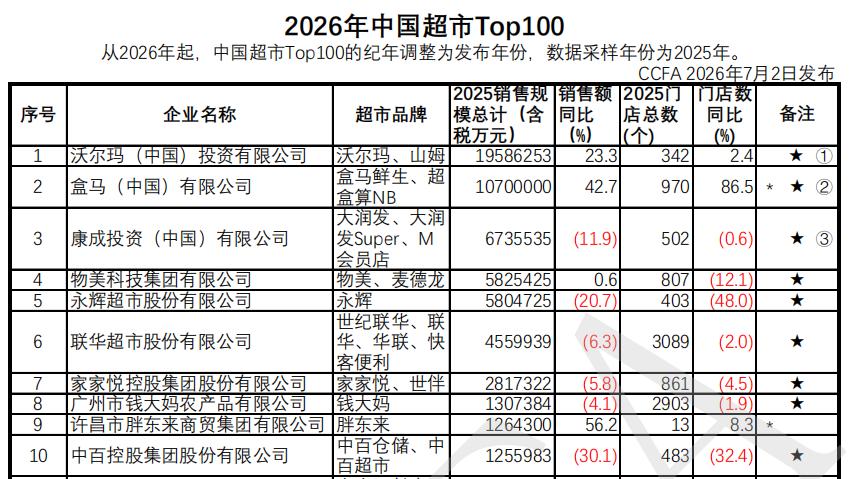
Hema reaches 100 billion scale but remains tied to Alibaba
💡Understand the challenges of scaling AI-integrated retail ecosystems within a parent conglomerate.
⚡ 30-Second TL;DR
What Changed
Hema reached the 100 billion revenue milestone.
Why It Matters
Alibaba's continued integration of AI into Hema's supply chain and retail operations remains a critical case study for enterprise AI deployment.
What To Do Next
Analyze Alibaba's retail AI supply chain architecture to identify patterns for large-scale inventory optimization.
Who should care:Enterprise & Security Teams
Key Points
- •Hema reached the 100 billion revenue milestone.
- •The business model still faces challenges in achieving full independence from Alibaba.
- •Retail efficiency remains a core focus for future growth.
🧠 Deep Insight
AI-generated analysis for this event.
🔑 Enhanced Key Takeaways
- •Hema (Freshippo) has undergone significant organizational restructuring, transitioning from a subsidiary of Alibaba Group to a more independent business unit under the '1+6+N' organizational reform initiated in 2023.
- •The 100 billion RMB revenue milestone is largely attributed to Hema's aggressive expansion of its private label brand, 'Hema Max,' which now accounts for a substantial portion of its SKU offerings and profit margins.
- •Despite the revenue scale, Hema has faced internal pressure to improve profitability, leading to the closure of underperforming stores and a shift in strategy from rapid expansion to 'quality-first' growth.
- •Hema's supply chain integration relies heavily on Alibaba's Cainiao logistics network, which provides the cold-chain infrastructure necessary for its 30-minute delivery promise.
- •The company has increasingly adopted an 'omnichannel' strategy, blending its physical membership stores (Hema X) with its online app-based delivery model to maximize customer lifetime value.
📊 Competitor Analysis▸ Show
| Feature | Hema (Freshippo) | Meituan Maicai | JD Fresh |
|---|---|---|---|
| Business Model | O2O Membership Retail | Instant Retail/Delivery | E-commerce/Cold Chain |
| Primary Strength | Private Label/Fresh Food | Delivery Speed/Density | Logistics/Supply Chain |
| Target Market | Mid-to-High Income Urban | Mass Market/Convenience | National/Broad Coverage |
🛠️ Technical Deep Dive
- Hema utilizes a proprietary 'Digital Retail Operating System' that integrates real-time inventory management with AI-driven demand forecasting to minimize food waste.
- The logistics architecture employs a 'Hub-and-Spoke' model where front-end stores double as micro-fulfillment centers (MFCs) to enable rapid last-mile delivery.
- The company leverages Alibaba's cloud infrastructure for big-data analytics, allowing for hyper-localized product assortment based on neighborhood-level consumer behavior data.
🔮 Future ImplicationsAI analysis grounded in cited sources
Hema will pursue a standalone IPO within the next 24 months.
Achieving the 100 billion revenue scale provides the necessary financial track record to satisfy public market investors and decouple from Alibaba's consolidated financial reporting.
Private label products will exceed 50% of total revenue by 2027.
The company's strategic pivot toward high-margin, exclusive 'Hema Max' products is essential to offset the high operational costs of its physical retail footprint.
⏳ Timeline
2016-01
Hema opens its first physical store in Shanghai.
2017-07
Alibaba officially integrates Hema into its New Retail strategy.
2020-10
Hema launches its first membership-only store, Hema X.
2023-03
Alibaba announces the 1+6+N reform, granting Hema greater operational autonomy.
2023-12
Hema implements a major supply chain reform to lower prices and compete with discount retailers.
📰
Weekly AI Recap
Read this week's curated digest of top AI events →
👉Related Updates


AI-curated news aggregator. All content rights belong to original publishers.
Original source: 钛媒体 ↗