💰钛媒体•Freshcollected in 20m
ESG becomes the new focus for cultural tourism investment
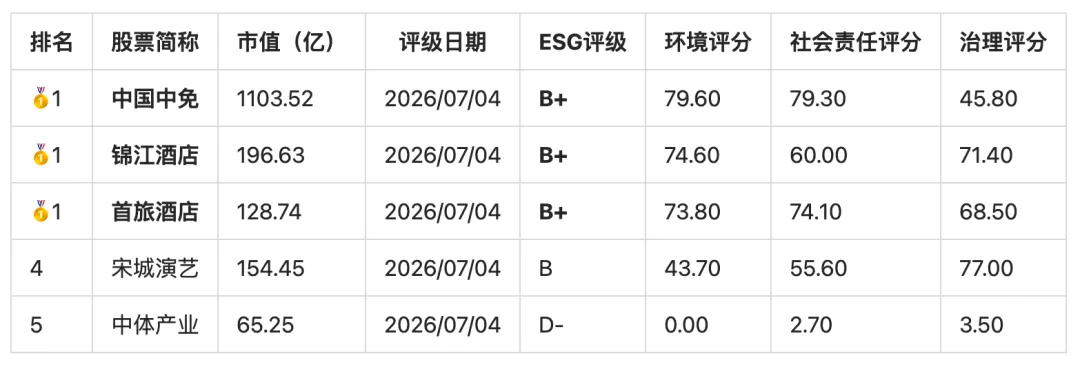
💡Learn how ESG metrics are reshaping investment strategies in the massive cultural tourism market.
⚡ 30-Second TL;DR
What Changed
ESG scores are becoming a primary benchmark for cultural tourism investments.
Why It Matters
This shift suggests that AI-driven ESG reporting and monitoring tools will see increased demand in the tourism sector to automate compliance and scoring.
What To Do Next
Develop a dashboard prototype that maps unstructured tourism operational data to standard ESG reporting frameworks.
Who should care:Founders & Product Leaders
Key Points
- •ESG scores are becoming a primary benchmark for cultural tourism investments.
- •Traditional metrics like traffic and unit price are no longer sufficient for long-term valuation.
- •High governance scores are driving significant financial dividends in the sector.
🧠 Deep Insight
AI-generated analysis for this event.
🔑 Enhanced Key Takeaways
- •The integration of ESG in cultural tourism is being driven by China's 'Dual Carbon' goals, forcing developers to prioritize energy-efficient infrastructure and low-carbon operations in scenic spots.
- •Institutional investors are increasingly utilizing AI-driven ESG rating platforms to monitor real-time environmental impact data from tourism sites, moving beyond static annual reports.
- •Social responsibility metrics in tourism now emphasize 'community-based tourism' (CBT) models, where project valuation is tied to the percentage of local employment and preservation of intangible cultural heritage.
- •Governance standards in the sector have shifted toward transparency in land-use rights and the ethical management of historical sites, which are now critical for securing long-term government subsidies.
- •The transition is partially fueled by the rise of 'green finance' products, such as sustainability-linked loans specifically tailored for cultural tourism projects that meet verified ESG performance targets.
🔮 Future ImplicationsAI analysis grounded in cited sources
ESG-compliant tourism projects will secure capital at lower interest rates than non-compliant peers by 2027.
Financial institutions are increasingly adopting green credit policies that offer preferential financing terms to projects with high ESG ratings.
Standardized ESG reporting frameworks will become a mandatory requirement for cultural tourism IPOs in major Asian markets.
Regulatory bodies are tightening disclosure requirements to prevent greenwashing in the tourism and hospitality sectors.
⏳ Timeline
2020-09
China announces the 'Dual Carbon' goals, setting the stage for national ESG integration across industries.
2022-04
The State-owned Assets Supervision and Administration Commission (SASAC) releases guidelines requiring central enterprises to disclose ESG reports.
2024-05
Major Chinese stock exchanges introduce mandatory sustainability disclosure requirements for listed companies, impacting tourism conglomerates.
2025-11
Industry reports identify a significant valuation gap between high-ESG-rated cultural tourism projects and traditional high-traffic, low-sustainability sites.
📰
Weekly AI Recap
Read this week's curated digest of top AI events →
👉Related Updates


AI-curated news aggregator. All content rights belong to original publishers.
Original source: 钛媒体 ↗