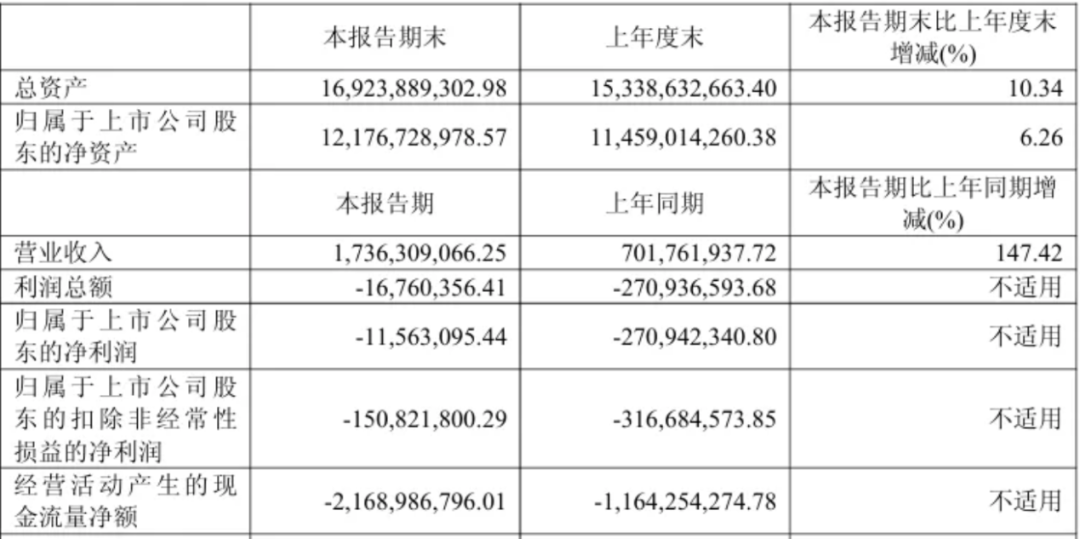
Haibosichuang Faces Cash Flow Crisis in Storage Market
💡Learn how AI-driven energy management is becoming a survival strategy for hardware companies in a price-war market.
⚡ 30-Second TL;DR
What Changed
Operating cash flow is under pressure due to high upfront costs and long downstream payment cycles.
Why It Matters
The storage industry's shift toward AI-integrated energy management suggests that hardware-only players must pivot to software/service-based revenue to survive price wars.
What To Do Next
If building energy-tech products, prioritize AI-driven optimization features to move from commodity hardware to high-margin service platforms.
Key Points
- •Operating cash flow is under pressure due to high upfront costs and long downstream payment cycles.
- •The company is shifting from pure hardware delivery to a 'manufacturing + service' model.
- •Layout of 'compute-electricity synergy' (AI-driven energy management) as a new growth point.
- •High reliance on supply chain financing makes the business model vulnerable to market volatility.
🧠 Deep Insight
AI-generated analysis for this event — not the original article.
🔑 Enhanced Key Takeaways
- •Haibosichuang's financial strain is exacerbated by the rapid commoditization of BESS (Battery Energy Storage Systems) hardware, where profit margins have plummeted due to aggressive bidding wars among Chinese manufacturers.
- •The company's pivot to 'compute-electricity synergy' involves integrating AI-based Virtual Power Plant (VPP) software to capture recurring revenue, attempting to move away from the 'one-off' hardware sales model that currently dominates their revenue stream.
- •Regulatory shifts in China's energy market, specifically the tightening of grid-connection requirements and the reduction of peak-shaving subsidies, have directly increased the payback period for Haibosichuang's downstream clients, worsening the payment cycle crisis.
📊 Competitor Analysis▸ Show
| Competitor | Business Model Focus | Primary Advantage | Pricing Strategy |
|---|---|---|---|
| CATL | Vertical Integration | Battery cell manufacturing dominance | Premium/Scale-based |
| BYD | Full-stack Energy Storage | In-house component production | Competitive/Volume-driven |
| Narada Power | EPC + Operation | Strong grid-side project history | Project-based bidding |
🛠️ Technical Deep Dive
- AI-Driven Energy Management: Utilizes cloud-based predictive algorithms to optimize Charge/Discharge cycles based on real-time electricity spot prices and grid frequency regulation signals.
- Compute-Electricity Synergy: Implements edge computing gateways within storage containers to reduce latency in data transmission between the Battery Management System (BMS) and the central energy management platform.
- Hardware Architecture: Employs modular liquid-cooled battery cabinet designs to increase energy density and thermal stability, though this has contributed to the high upfront capital expenditure mentioned in the crisis report.
🔮 Future ImplicationsAI analysis grounded in cited sources
⏳ Timeline
Weekly AI Recap
Read this week's curated digest of top AI events →
👉Related Updates
AI-curated news aggregator. All content rights belong to original publishers.
Original source: 虎嗅 ↗
This is a summary, not the original. Read the source, or get the weekly briefing.
Weekly AI briefing
One email a week. Unsubscribe anytime.