Gucci-Google AI Glasses Launch in 2027
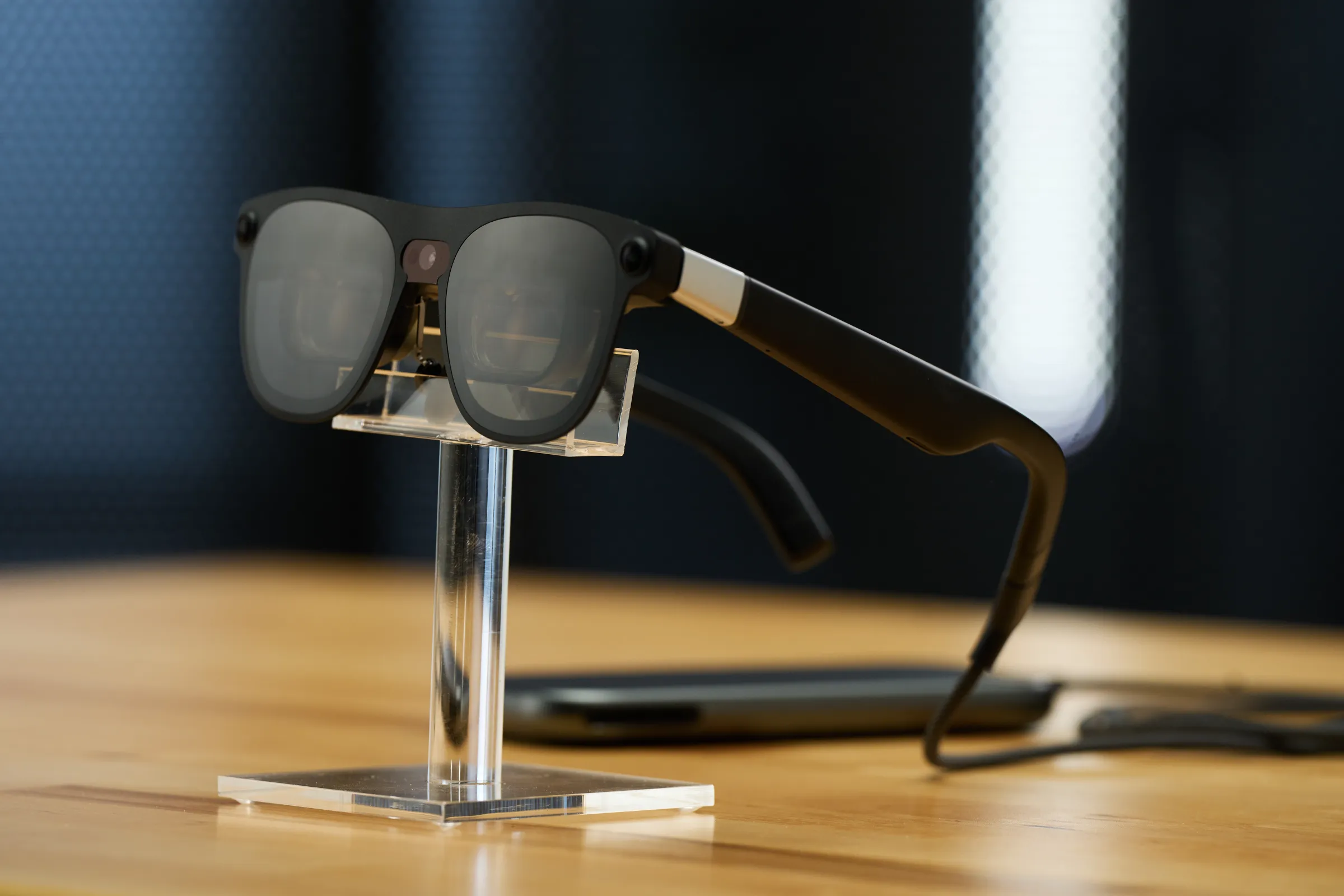
💡Google's luxury AI glasses push could spark new wearable AI dev opportunities.
⚡ 30-Second TL;DR
What Changed
Google-Guicci partnership for AI glasses
Why It Matters
Combines AI tech with luxury fashion to mainstream wearables, potentially expanding AI apps in consumer hardware and influencing multimodal AI interfaces.
What To Do Next
Watch Google's I/O for early AI glasses developer tools or APIs.
Key Points
- •Google-Guicci partnership for AI glasses
- •Fashion-first design for daily wear
- •Launch planned for 2027
- •Reported via Reuters and Kering
🧠 Deep Insight
AI-generated analysis for this event — not the original article.
🔑 Enhanced Key Takeaways
- •The collaboration leverages Google's Project Astra multimodal AI model, specifically optimized for low-latency, real-time visual processing on wearable hardware.
- •Kering's strategic pivot into 'smart luxury' follows the dissolution of their internal eyewear division, opting instead for licensing partnerships to mitigate hardware R&D risks.
- •The glasses will utilize a proprietary micro-LED display technology developed by Google's internal labs, aiming for a form factor indistinguishable from standard Gucci optical frames.
📊 Competitor Analysis▸ Show
| Feature | Gucci-Google Glasses | Meta Ray-Ban | Apple Vision Pro |
|---|---|---|---|
| Primary Focus | High-Fashion/AI Assistant | Social/Content Creation | Spatial Computing/Work |
| Form Factor | Traditional Optical | Classic Wayfarer | Ski-goggle Headset |
| AI Integration | Deep Multimodal (Astra) | Meta AI (LLM) | Siri/Spatial Intelligence |
| Target Price | Premium ($800-$1,200) | Mid-range ($300-$400) | Ultra-Premium ($3,500+) |
🛠️ Technical Deep Dive
- •Architecture: Utilizes a custom-silicon Tensor G-series variant optimized for on-device neural processing to ensure user privacy and reduce latency.
- •Display: Employs waveguide-based micro-LED optics with a high-transparency substrate to maintain the aesthetic of traditional luxury eyewear.
- •Sensors: Features a multi-camera array for 360-degree environmental awareness and a bone-conduction audio system for discreet, high-fidelity sound output.
- •Connectivity: Integrates ultra-wideband (UWB) for seamless hand-off with Android and iOS devices, alongside low-power Bluetooth for persistent AI connectivity.
🔮 Future ImplicationsAI analysis grounded in cited sources
⏳ Timeline
Weekly AI Recap
Read this week's curated digest of top AI events →
👉Related Updates
AI-curated news aggregator. All content rights belong to original publishers.
Original source: cnBeta (Full RSS) ↗
This is a summary, not the original. Read the source, or get the weekly briefing.
The weekly digest
One email a week. Unsubscribe anytime.