Guangxi Snake Industry Shifts to Pharmaceutical R&D
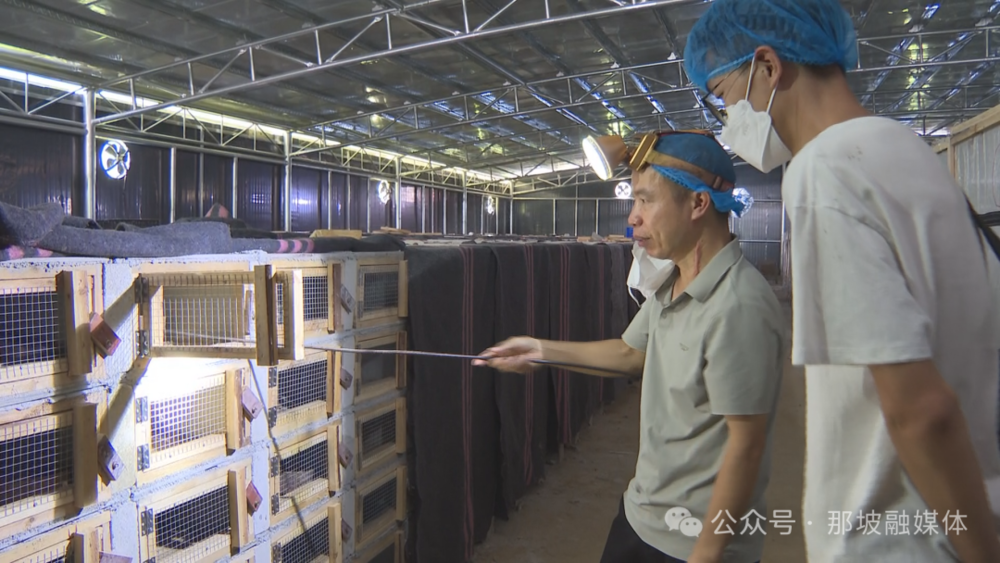
💡See how traditional industries integrate with biotech and R&D to achieve high-value economic transformation.
⚡ 30-Second TL;DR
What Changed
Industry is moving away from food consumption due to strict regulations.
Why It Matters
Demonstrates how traditional agriculture can leverage biotech and R&D to increase economic value and comply with modern regulatory standards.
What To Do Next
Analyze the potential for AI-driven protein structure prediction in venom-based drug discovery pipelines.
Key Points
- •Industry is moving away from food consumption due to strict regulations.
- •Focus is shifting to medicinal snake species like cobras and vipers.
- •Partnerships with research institutions are driving anti-cancer drug development.
🧠 Deep Insight
AI-generated analysis for this event — not the original article.
🔑 Enhanced Key Takeaways
- •Guangxi's snake industry transition is heavily supported by the 'Guangxi Snake Industry Development Plan,' which prioritizes the integration of snake venom extraction with biotechnology.
- •Local authorities have established specialized industrial parks in cities like Nanning and Wuzhou to centralize snake venom processing and ensure compliance with Good Manufacturing Practice (GMP) standards.
- •The shift is partly driven by the 'Healthy China 2030' initiative, which encourages the modernization of Traditional Chinese Medicine (TCM) through scientific validation and standardized extraction methods.
- •Recent breakthroughs include the isolation of specific peptides from Naja atra (Chinese cobra) venom that show potential in inhibiting tumor cell proliferation in laboratory settings.
- •The industry is transitioning from traditional small-scale farming to 'smart farming' models that utilize IoT sensors to monitor snake health and venom quality in real-time.
🛠️ Technical Deep Dive
- Venom Extraction: Implementation of automated electrical stimulation devices to collect venom without harming the snakes, ensuring higher purity levels for pharmaceutical use.
- Peptide Sequencing: Utilization of mass spectrometry and high-performance liquid chromatography (HPLC) to identify and isolate bioactive proteins and peptides from raw venom.
- Molecular Docking: Application of computational biology to simulate the interaction between snake venom-derived peptides and specific cancer cell receptors to predict therapeutic efficacy.
- Standardization: Adoption of standardized lyophilization (freeze-drying) techniques to preserve the biological activity of venom components during storage and transport.
🔮 Future ImplicationsAI analysis grounded in cited sources
⏳ Timeline
Weekly AI Recap
Read this week's curated digest of top AI events →
👉Related Updates


AI-curated news aggregator. All content rights belong to original publishers.
Original source: 虎嗅 ↗
This is a summary, not the original. Read the source, or get the weekly briefing.
The weekly digest
One email a week. Unsubscribe anytime.