GTX 1080 Ti Still Survives at 1080p
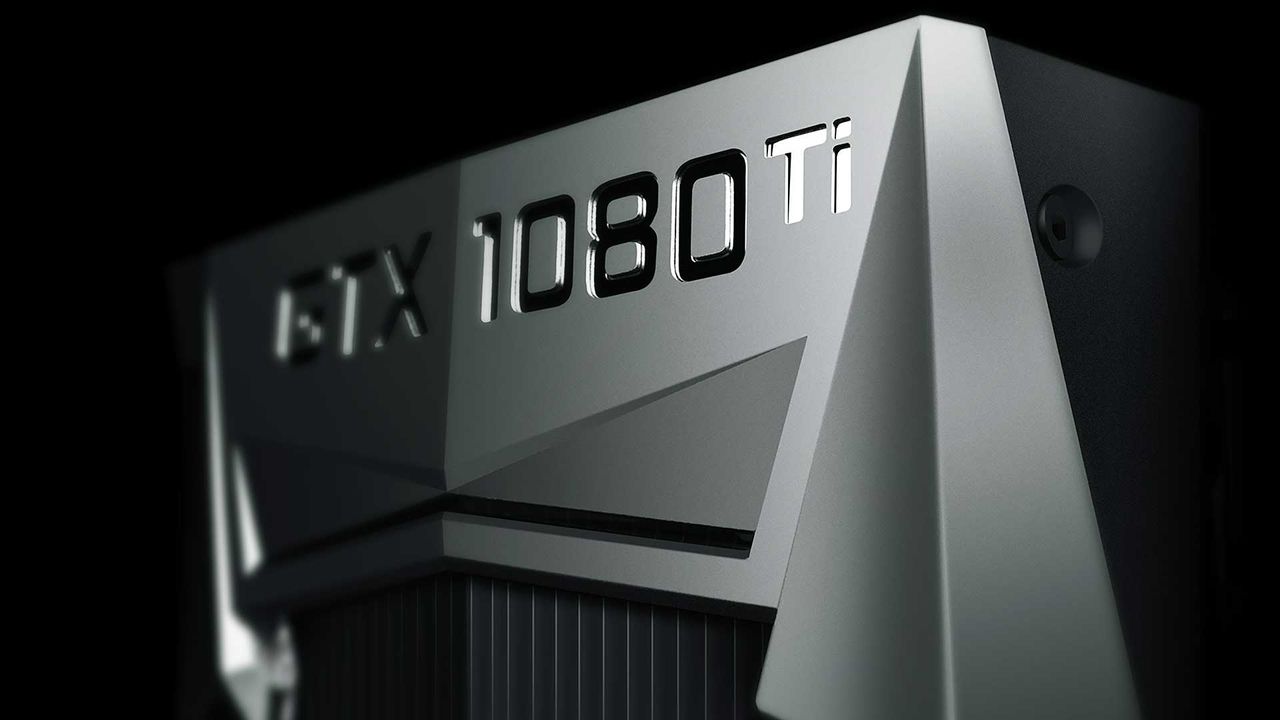
See how 11GB VRAM keeps a decade-old GPU useful—and where its efficiency becomes a liability.
30-Second TL;DR
What Changed
PC Games Hardware retested the GTX 1080 Ti and other GP102-based GPUs in newer games.
Why It Matters
For AI practitioners, the results reinforce that VRAM capacity can extend the useful life of older GPUs, even when compute efficiency has fallen behind. However, legacy hardware may carry meaningful power and performance penalties for sustained local inference or model experimentation.
What To Do Next
Benchmark your local AI workload on the GTX 1080 Ti while tracking VRAM usage, tokens per second, and watts to determine whether its 11GB buffer offsets its low efficiency.
Key Points
- •PC Games Hardware retested the GTX 1080 Ti and other GP102-based GPUs in newer games.
- •The 11GB VRAM buffer helps the GTX 1080 Ti maintain playable 1080p performance.
- •The card is highly inefficient compared with modern GPUs and struggles more at higher resolutions.
Deep Insight
AI-generated analysis for this event — not the original article.
Enhanced Key Takeaways
- •The GTX 1080 Ti lacks native hardware support for modern upscaling technologies like NVIDIA DLSS, forcing reliance on less efficient software-based solutions like FSR or XeSS to maintain frame rates in demanding titles.
- •Despite its age, the Pascal architecture's lack of dedicated ray tracing cores means the card suffers catastrophic performance drops when ray tracing features are enabled in modern game engines.
- •The 11GB GDDR5X memory configuration provides a unique bandwidth advantage over many mid-range cards released years later, which often utilize narrower 128-bit memory buses.
- •Driver support for the Pascal architecture has entered a legacy phase, meaning the card no longer receives game-ready optimizations or performance improvements for the latest AAA releases.
- •The card's TDP of 250W results in a significantly higher cost-per-frame in terms of electricity consumption compared to modern entry-level GPUs like the RTX 4060.
Competitor Analysis
- GTX 1080 Ti
- Pascal (16nm)
- RTX 4060
- Ada Lovelace (5nm)
- RX 7600
- RDNA 3 (6nm)
- GTX 1080 Ti
- 11GB GDDR5X
- RTX 4060
- 8GB GDDR6
- RX 7600
- 8GB GDDR6
- GTX 1080 Ti
- None
- RTX 4060
- Hardware Accelerated
- RX 7600
- Hardware Accelerated
- GTX 1080 Ti
- 250W
- RTX 4060
- 115W
- RX 7600
- 165W
- GTX 1080 Ti
- Software Only
- RTX 4060
- DLSS 3 (Frame Gen)
- RX 7600
- FSR 3
| Feature | GTX 1080 Ti | RTX 4060 | RX 7600 |
|---|---|---|---|
| Architecture | Pascal (16nm) | Ada Lovelace (5nm) | RDNA 3 (6nm) |
| VRAM | 11GB GDDR5X | 8GB GDDR6 | 8GB GDDR6 |
| Ray Tracing | None | Hardware Accelerated | Hardware Accelerated |
| Power Draw (TDP) | 250W | 115W | 165W |
| Upscaling | Software Only | DLSS 3 (Frame Gen) | FSR 3 |
Technical Deep Dive
- Architecture: Pascal GP102-350-K1-A1
- Process Node: TSMC 16nm FinFET
- Transistor Count: 12 Billion
- CUDA Cores: 3584
- Memory Bus: 352-bit
- Memory Bandwidth: 484 GB/s
- DirectX Support: 12_1 (Feature Level)
Future ImplicationsAI analysis grounded in cited sources
Timeline
- 2017-03NVIDIA officially launches the GeForce GTX 1080 Ti at GDC.
- 2018-09NVIDIA releases the RTX 20-series, introducing ray tracing and marking the beginning of the end for Pascal's dominance.
- 2021-10NVIDIA shifts focus to DLSS-supported architectures, leaving GTX 10-series behind in feature updates.
- 2024-04NVIDIA officially transitions the GTX 10-series to legacy driver support status.
Weekly AI Recap
Read this week's curated digest of top AI events →
AI-curated news aggregator. All content rights belong to original publishers.
Original source: Tom's Hardware ↗
This is a summary, not the original. Read the source, or get the weekly briefing.
The weekly digest
One email a week. Unsubscribe anytime.