GPU Prices Surge as VRAM Costs Rise
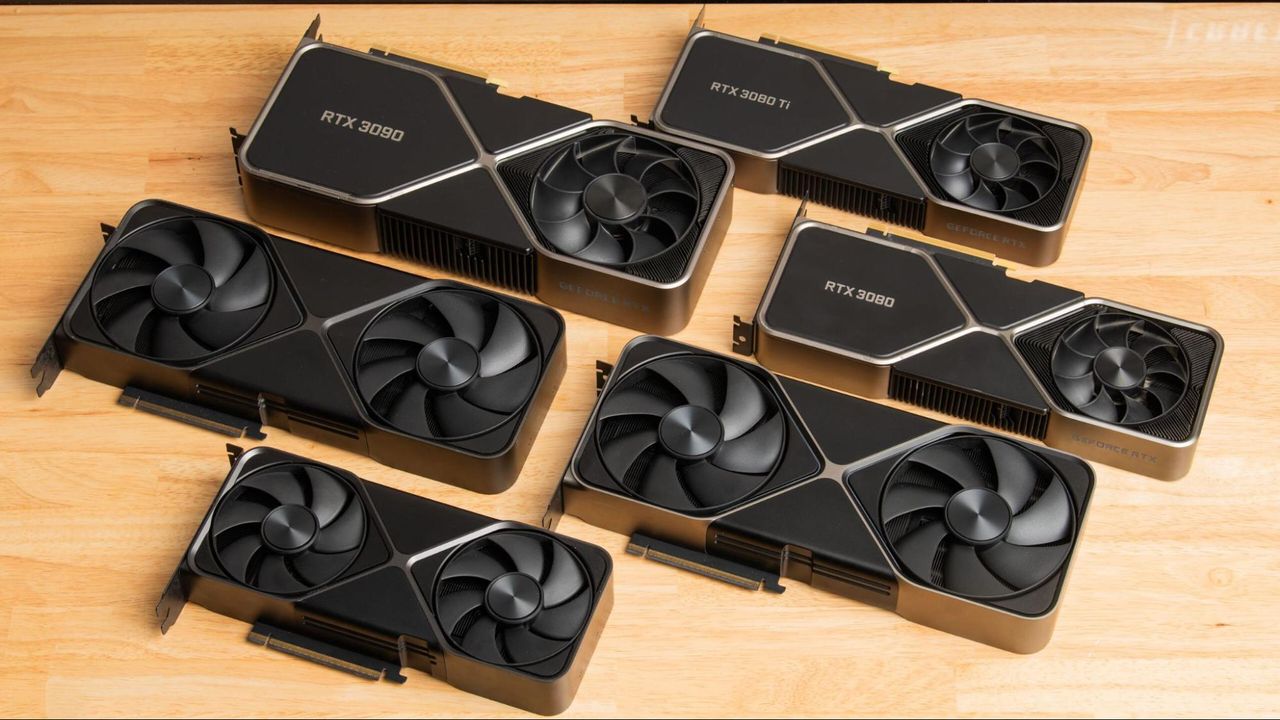
Rising GPU and VRAM prices could change the economics of local AI inference.
30-Second TL;DR
What Changed
Current-generation GPU prices remain elevated because sale discounts are becoming less frequent.
Why It Matters
Higher GPU and memory prices can raise the cost of local inference, model experimentation, and small-scale AI deployments. Teams may need to reassess hardware refresh cycles or rely more heavily on cloud capacity.
What To Do Next
Recalculate your local inference budget using current GPU and VRAM prices, then compare it with reserved cloud GPU capacity before buying hardware.
Key Points
- •Current-generation GPU prices remain elevated because sale discounts are becoming less frequent.
- •Rising VRAM costs are adding pressure to graphics-card pricing.
- •AI demand, tariffs, and broader market behavior are reducing access to inexpensive GPU upgrades.
Deep Insight
AI-generated analysis for this event — not the original article.
Enhanced Key Takeaways
- •The transition to HBM4 (High Bandwidth Memory) for next-generation AI accelerators is creating a supply bottleneck for GDDR7 production capacity at major foundries.
- •Major memory manufacturers have shifted production priority toward high-margin server-grade VRAM, reducing the wafer allocation for consumer-grade GDDR6X and GDDR7 modules.
- •New trade policies implemented in early 2026 have increased the landed cost of printed circuit boards (PCBs) and passive components used in GPU assembly by approximately 8-12%.
- •The 'AI-tax' on consumer GPUs is being exacerbated by a shortage of advanced packaging capacity, specifically CoWoS (Chip-on-Wafer-on-Substrate), which is being monopolized by data center GPU production.
- •Retail inventory levels for mid-range GPUs have dropped to 2022-era lows, limiting the ability of retailers to offer promotional pricing or clearance sales.
Technical Deep Dive
- GDDR7 memory utilizes PAM3 signaling to achieve higher bandwidth per pin compared to the NRZ signaling used in GDDR6.
- The shift to 3nm and 2nm process nodes for GPU dies has increased the cost per wafer, compounding the impact of rising memory costs.
- Advanced packaging requirements for high-end GPUs now frequently involve silicon interposers, which are currently supply-constrained due to high demand from AI accelerator manufacturers.
Future ImplicationsAI analysis grounded in cited sources
Timeline
- 2024-03Initial industry shift toward AI-focused GPU production begins to tighten consumer supply.
- 2025-01GDDR7 memory standards finalized, leading to increased R&D and production costs for board partners.
- 2025-11Global semiconductor packaging capacity reaches critical utilization levels, impacting GPU lead times.
- 2026-04New trade tariffs on electronic components take effect, further inflating GPU manufacturing costs.
Weekly AI Recap
Read this week's curated digest of top AI events →
AI-curated news aggregator. All content rights belong to original publishers.
Original source: Tom's Hardware ↗
This is a summary, not the original. Read the source, or get the weekly briefing.
The weekly digest
One email a week. Unsubscribe anytime.