Google to Launch First AI Smart Glasses This Fall
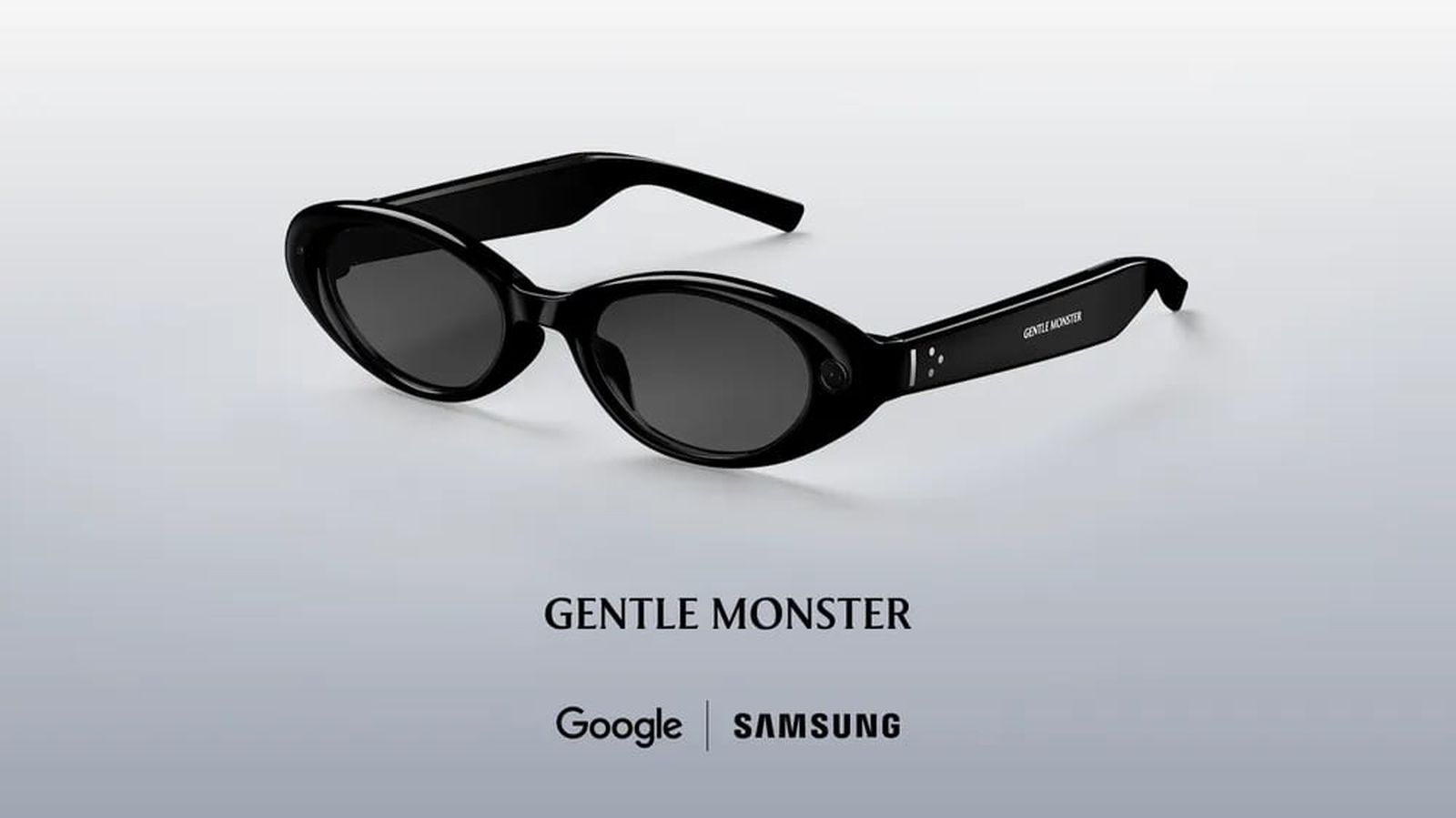
💡Google's entry into AI wearables with cross-platform support could redefine the mobile AI ecosystem.
⚡ 30-Second TL;DR
What Changed
Powered by Google's Android XR platform designed for AR/VR
Why It Matters
This move signals Google's aggressive push into the wearable AI hardware market, challenging competitors by prioritizing cross-platform compatibility.
What To Do Next
Explore the Android XR SDK documentation to prepare for potential multimodal AI integration opportunities in wearable form factors.
Key Points
- •Powered by Google's Android XR platform designed for AR/VR
- •Hardware includes integrated camera, microphone, and speakers
- •Cross-platform support including iPhone and Samsung devices
- •Partnership with eyewear brands Gentle Monster and Warby Parker
🧠 Deep Insight
Web-grounded analysis with 18 cited sources.
🔑 Enhanced Key Takeaways
- •The initial launch will feature "audio glasses" without a display in the lenses, with a more advanced "Display Edition" featuring a monocular microLED heads-up display planned for a later release.
- •The device is deeply integrated with Google's Gemini AI, enabling a range of functionalities including real-time translation, sight-based navigation, multi-step task completion (e.g., ordering coffee), and AI-powered photo/video editing via Google's Nano Banana engine.
- •The hardware engineering for these smart glasses is a collaborative effort with Samsung, while Google provides the AI technology and the Android XR software platform.
- •Google also introduced "Project Aura," a separate developer-focused kit developed with XREAL, which features full binocular displays and a 70-degree field of view, aimed at encouraging third-party development on the Android XR platform.
📊 Competitor Analysis▸ Show
| Feature / Product | Google AI Smart Glasses (Fall 2026) | Meta Ray-Ban Gen 2 (2026) | RayNeo X3 Pro (2026) |
|---|---|---|---|
| Display | No display in lenses (audio glasses); Display Edition later | No display | Dual microLED color binoculars (up to 6,000 nits) |
| AI Integration | Gemini AI (real-time translation, navigation, multi-step tasks, image editing) | AI assistant | Google Gemini (multimodal assistant) |
| Camera | Integrated camera (photos/videos, AI editing with Nano Banana) | 3K video capture | 12MP Sony IMX681 (1080p video) |
| Audio | Integrated speakers, microphone (calls, texts, music) | Clear audio quality, minimal sound leakage | Open-ear speakers |
| Platform | Android XR | Meta AI platform | Qualcomm Snapdragon AR1 Gen1 processor |
| Form Factor | Eyeglasses (Gentle Monster, Warby Parker designs) | Sunglasses (Ray-Ban, Oakley designs) | Lightweight (76g titanium alloy frame) |
| Connectivity | iPhone, Samsung, other partner brands (Android/iOS compatible) | - | - |
| Price | Not announced | $379 | ~$899 |
🛠️ Technical Deep Dive
- Operating System: Powered by Android XR, an AI-powered extended reality (XR) operating system developed by Google and Samsung.
- AI Integration: Deeply integrated with Google's Gemini generative AI, enabling features like real-time translation, sight-based navigation, and multi-step task completion.
- Hardware Collaboration: Samsung is responsible for the hardware engineering of the device.
- Display Strategy: The initial launch focuses on "audio glasses" without a display in the lenses; a future "Display Edition" is planned to incorporate a monocular microLED heads-up display.
- Development Platform: Android XR supports development across Unity, Unreal Engine, and Godot, offering tools like the Android XR Engine Hub and Interaction Framework, with features such as Spatial API support, fine eye/face tracking, and real-time streaming via OpenXR.
- Image Processing: The glasses include Google's Nano Banana AI image editing engine for processing captured photos and videos.
🔮 Future ImplicationsAI analysis grounded in cited sources
⏳ Timeline
📎 Sources (18)
Factual claims are grounded in the sources below. Forward-looking analysis is AI-generated interpretation.
Weekly AI Recap
Read this week's curated digest of top AI events →
👉Related Updates

AI-curated news aggregator. All content rights belong to original publishers.
Original source: cnBeta (Full RSS) ↗