Google-SpaceX Talks for Orbital AI Data Centers
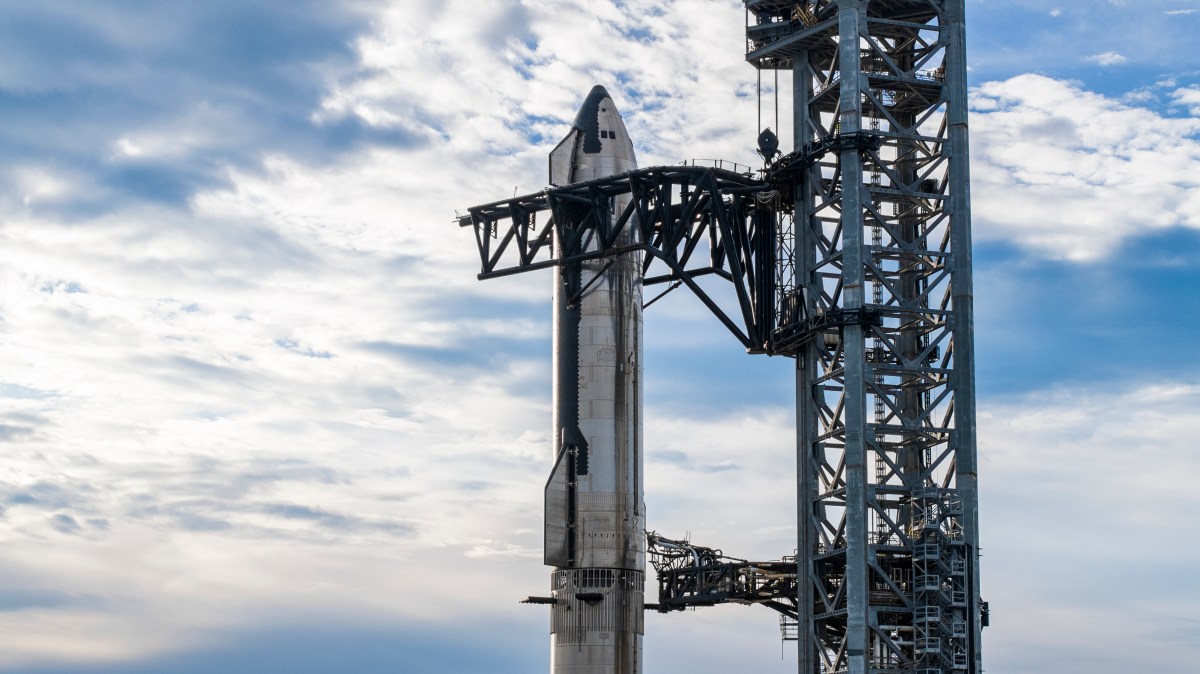
💡Space data centers may solve AI power shortages—watch Google/SpaceX disrupt infra
⚡ 30-Second TL;DR
What Changed
Google and SpaceX discussing orbital data center construction
Why It Matters
Could transform AI infrastructure by enabling scalable, cool-powered compute in space. AI practitioners should watch for cost reductions that challenge Earth-based cloud dominance.
What To Do Next
Evaluate SpaceX Starship payload capacities for potential AI hardware deployment planning.
Key Points
- •Google and SpaceX discussing orbital data center construction
- •Targeted at future AI compute infrastructure in space
- •Space offers potential despite today's high costs vs. ground
- •Positions orbit as next frontier for AI workloads
🧠 Deep Insight
AI-generated analysis for this event — not the original article.
🔑 Enhanced Key Takeaways
- •The initiative leverages SpaceX's Starship launch vehicle to drastically reduce the cost-per-kilogram of payload, which is the primary economic driver making orbital data centers theoretically viable for the first time.
- •Google's interest centers on utilizing high-speed laser inter-satellite links (ISLs) to create a low-latency, global AI inference network that bypasses terrestrial fiber-optic bottlenecks.
- •The collaboration aims to address the massive thermal management challenges of space-based computing by utilizing passive radiator arrays and advanced liquid cooling systems designed for vacuum environments.
🔮 Future ImplicationsAI analysis grounded in cited sources
⏳ Timeline
Weekly AI Recap
Read this week's curated digest of top AI events →
👉Related Updates


AI-curated news aggregator. All content rights belong to original publishers.
Original source: TechCrunch AI ↗
This is a summary, not the original. Read the source, or get the weekly briefing.
Weekly AI briefing
One email a week. Unsubscribe anytime.