Google shuts down AI image app Pixel Studio
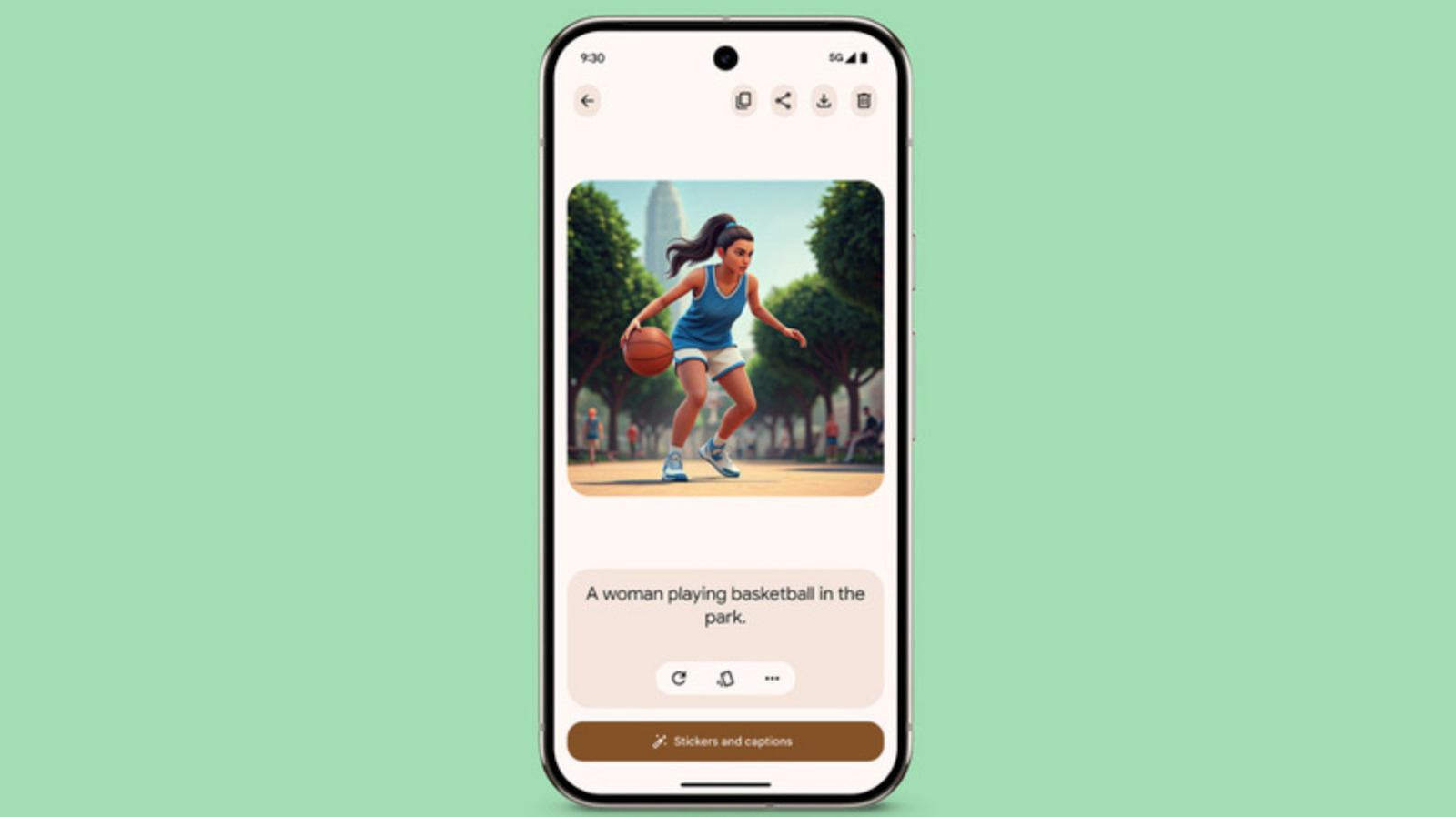
💡Google is sunsetting its AI image app; understand the implications for your AI product strategy and platform reliance.
⚡ 30-Second TL;DR
What Changed
Pixel Studio is officially being shut down by Google.
Why It Matters
The shutdown signals a shift in Google's focus for consumer-facing AI tools. Practitioners should monitor how Google integrates these capabilities into core products like Google Photos or Gemini instead of standalone apps.
What To Do Next
Audit your reliance on standalone AI niche apps and prioritize building on top of robust, core platform APIs like Gemini API to avoid service deprecation risks.
Key Points
- •Pixel Studio is officially being shut down by Google.
- •The application had a short lifespan of less than two years.
- •This move reflects ongoing consolidation within Google's AI product portfolio.
🧠 Deep Insight
Background and context from public sources — not the original article. 20 sources cited.
🔑 Enhanced Key Takeaways
- •Pixel Studio was an exclusive generative AI application for Google Pixel devices, initially launched with the Pixel 9 series in August 2024.
- •The app leveraged a hybrid AI architecture, combining on-device processing via the Tensor chip with Google's cloud-based Imagen 3 (and later Imagen 4) model to generate and edit images from text prompts.
- •Google is redirecting Pixel Studio users to its broader AI platform, specifically to 'Nano Banana in the Gemini app,' indicating a strategic consolidation of AI image generation capabilities under the Gemini ecosystem.
- •Prior to its shutdown, Pixel Studio had evolved to include features like text-to-image generation, sticker creation, editing existing photos, and later gained the ability to generate images of people and animations.
- •The discontinuation aligns with Google's larger organizational restructuring, initiated in April 2024, to accelerate AI product development by consolidating AI models, research, and responsible AI teams under Google DeepMind.
📊 Competitor Analysis▸ Show
| Feature/Aspect | Google Gemini (Nano Banana/Imagen) | ChatGPT (GPT Image) | Midjourney | Ideogram |
|---|---|---|---|---|
| Core Functionality | Text-to-image, image-to-image, editing, animations. | Text-to-image, conversational editing. | Text-to-image (artistic focus). | Text-to-image (accurate text rendering). |
| AI Model | Imagen (3, 4), Nano Banana, Gemini Omni. | GPT Image (hybrid diffusion/transformer). | Diffusion models. | Diffusion models. |
| Platform | Integrated into Gemini app, Google Workspace, Pixel devices. | ChatGPT Plus. | Discord-based, web interface. | Web-based. |
| Strengths | Photorealism, text rendering, complex prompts, reference images, integration with Google ecosystem. | Iterative conversational editing, accurate complex prompts. | Artistic results, high-quality aesthetics. | Accurate text rendering within images. |
| Weaknesses | Watermarks on free plans, occasional missed prompt elements. | Slightly polished/artificial quality at close inspection. | Less control over specific elements without advanced prompting. | May have limitations in other areas compared to specialized tools. |
| Pricing | Google AI Pro at $20/month (for advanced features). | Included with ChatGPT Plus at $20/month. | Subscription-based (various tiers). | Free tier, subscription for advanced features. |
🛠️ Technical Deep Dive
- Pixel Studio utilized a hybrid AI approach, combining on-device processing powered by Google's Tensor chip with cloud-based AI models.
- The primary cloud-based models for image generation were Google's Imagen 3 and later Imagen 4.
- Imagen 4 is noted for its ability to render diverse art styles, including photorealism, impressionism, and abstract art, with improved accuracy.
- It is optimized for creativity, capable of generating images with up to 2K resolution, offering sharper clarity and improved spelling and typography within generated images.
- Generally, AI image generators like Google's Imagen and OpenAI's GPT Image employ hybrid architectures that combine diffusion models with transformer networks, which helps in handling complex, multi-part prompts and producing more accurate text within images.
- The successor, Nano Banana within Gemini, supports both text-to-image and image-to-image workflows, allowing users to use uploaded images as style or composition references.
🔮 Future ImplicationsAI analysis grounded in cited sources
⏳ Timeline
📎 Sources (20)
Factual claims are grounded in the sources below. Forward-looking analysis is AI-generated interpretation.
Weekly AI Recap
Read this week's curated digest of top AI events →
👉Related Updates
AI-curated news aggregator. All content rights belong to original publishers.
Original source: Engadget ↗
This is a summary, not the original. Read the source, or get the weekly briefing.
The weekly digest
One email a week. Unsubscribe anytime.