Google Preps Credits for Gemini Image Tools
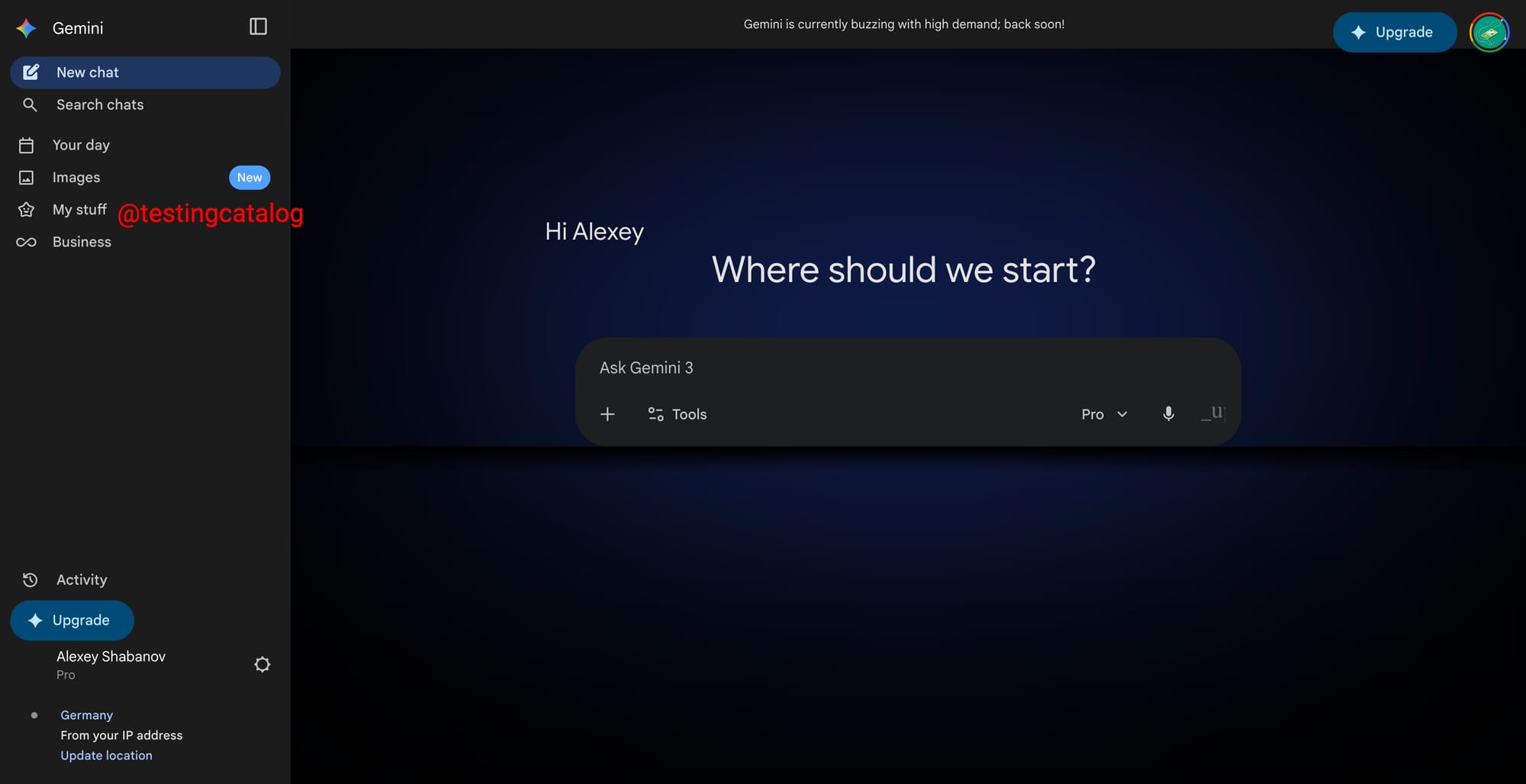
💡Gemini credits may limit free usage, reshaping costs for image-heavy AI apps.
⚡ 30-Second TL;DR
What Changed
Credit-based system introduced for Gemini app
Why It Matters
This shift to credits may transition Gemini toward metered access, affecting high-volume AI app developers. Enhanced image tools could boost multimodal capabilities for creators.
What To Do Next
Join Gemini app beta on Android to preview credits system and image section.
Key Points
- •Credit-based system introduced for Gemini app
- •Usage limits enforced through credits
- •New dedicated images section added
🧠 Deep Insight
AI-generated analysis for this event — not the original article.
🔑 Enhanced Key Takeaways
- •The credit system is designed to manage high-compute costs associated with advanced multimodal generation, specifically targeting power users and enterprise API consumers to prevent infrastructure strain.
- •The dedicated images section is expected to integrate advanced provenance metadata, such as SynthID watermarking, directly into the UI to address growing concerns regarding AI-generated misinformation.
- •This shift toward a tokenized or credit-based model aligns Gemini's consumer-facing app structure with the existing billing architecture used by Google Cloud's Vertex AI, facilitating a more seamless transition for developers moving from prototyping to production.
📊 Competitor Analysis▸ Show
| Feature | Gemini (Google) | DALL-E 3 (OpenAI) | Midjourney |
|---|---|---|---|
| Pricing Model | Credit-based (Tiered) | Token/Credit-based | Subscription-only |
| Image Provenance | SynthID (Embedded) | C2PA Standard | Limited Metadata |
| API Integration | Vertex AI / Native | OpenAI API | Discord/Web API |
🔮 Future ImplicationsAI analysis grounded in cited sources
⏳ Timeline
Weekly AI Recap
Read this week's curated digest of top AI events →
👉Related Updates
AI-curated news aggregator. All content rights belong to original publishers.
Original source: TestingCatalog ↗
This is a summary, not the original. Read the source, or get the weekly briefing.
The weekly digest
One email a week. Unsubscribe anytime.