📲Digital Trends•Freshcollected in 29m
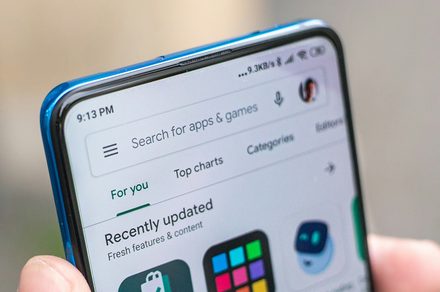
Google Play opens to rival Android app stores
💡A major shift in Android distribution that could change how you deploy AI apps to millions of users.
⚡ 30-Second TL;DR
What Changed
Third-party app stores integration begins July 22 in the US
Why It Matters
This change could lower distribution barriers for AI-integrated apps that bypass traditional store policies. Developers may gain more flexibility in deployment and monetization.
What To Do Next
Review your app's distribution strategy to see if alternative Android stores offer better terms for your AI-powered services.
Who should care:Developers & AI Engineers
Key Points
- •Third-party app stores integration begins July 22 in the US
- •Strict compliance requirements enforced by Google
- •Significant shift in Android's closed-ecosystem strategy
🧠 Deep Insight
AI-generated analysis for this event.
🔑 Enhanced Key Takeaways
- •This policy change follows the resolution of the Epic Games v. Google antitrust litigation, which mandated that Google open its platform to competing app stores.
- •Third-party stores will be required to utilize Google Play's 'Play Integrity API' to ensure that apps distributed through them meet baseline security standards.
- •Google will continue to collect a service fee on transactions processed through third-party stores if those stores utilize Google Play's billing infrastructure, though stores may opt for alternative payment systems.
- •The integration allows third-party stores to appear as downloadable apps within the Google Play Store, effectively creating a 'store-within-a-store' model.
- •Developers opting to distribute via third-party stores must still comply with Google's 'Developer Distribution Agreement' regarding content policies and prohibited app categories.
📊 Competitor Analysis▸ Show
| Feature | Google Play (Third-Party Integration) | Apple App Store | Amazon Appstore |
|---|---|---|---|
| Openness | High (Allows rival stores) | Low (Walled Garden) | Moderate (Sideloading allowed) |
| Commission | Variable (0-15%) | 15-30% | 15-30% |
| Sideloading | Native Support | Restricted (EU Only) | Native Support |
🛠️ Technical Deep Dive
- Implementation relies on the Android Package Installer (PackageInstaller API) which has been updated to handle multi-store metadata.
- Integration requires the use of the Play Integrity API to verify app binary authenticity and device security status before installation.
- Third-party stores must implement a scoped storage architecture to ensure app data isolation and prevent cross-store interference.
- Google has introduced new manifest attributes for APKs to declare store-specific distribution channels and update management permissions.
🔮 Future ImplicationsAI analysis grounded in cited sources
Google will face increased scrutiny over 'security' enforcement as a potential anti-competitive barrier.
Regulators are likely to monitor whether Google uses its mandatory security compliance requirements to unfairly disadvantage smaller third-party store competitors.
Android fragmentation will increase as app update cycles become decentralized across multiple store providers.
With multiple stores managing their own update pipelines, ensuring consistent security patches and version parity across the Android ecosystem will become significantly more complex.
⏳ Timeline
2020-08
Epic Games initiates antitrust lawsuit against Google regarding Play Store practices.
2023-12
A federal jury finds that Google maintained an illegal monopoly in the Android app distribution market.
2024-10
Judge James Donato issues a permanent injunction requiring Google to open the Play Store to competitors.
2025-05
Google begins technical pilot programs for third-party store integration with select partners.
2026-06
Google announces final compliance guidelines for third-party store operators ahead of the July rollout.
📰
Weekly AI Recap
Read this week's curated digest of top AI events →
👉Related Updates


AI-curated news aggregator. All content rights belong to original publishers.
Original source: Digital Trends ↗