Google fined €4.1bn for anti-competitive Android practices
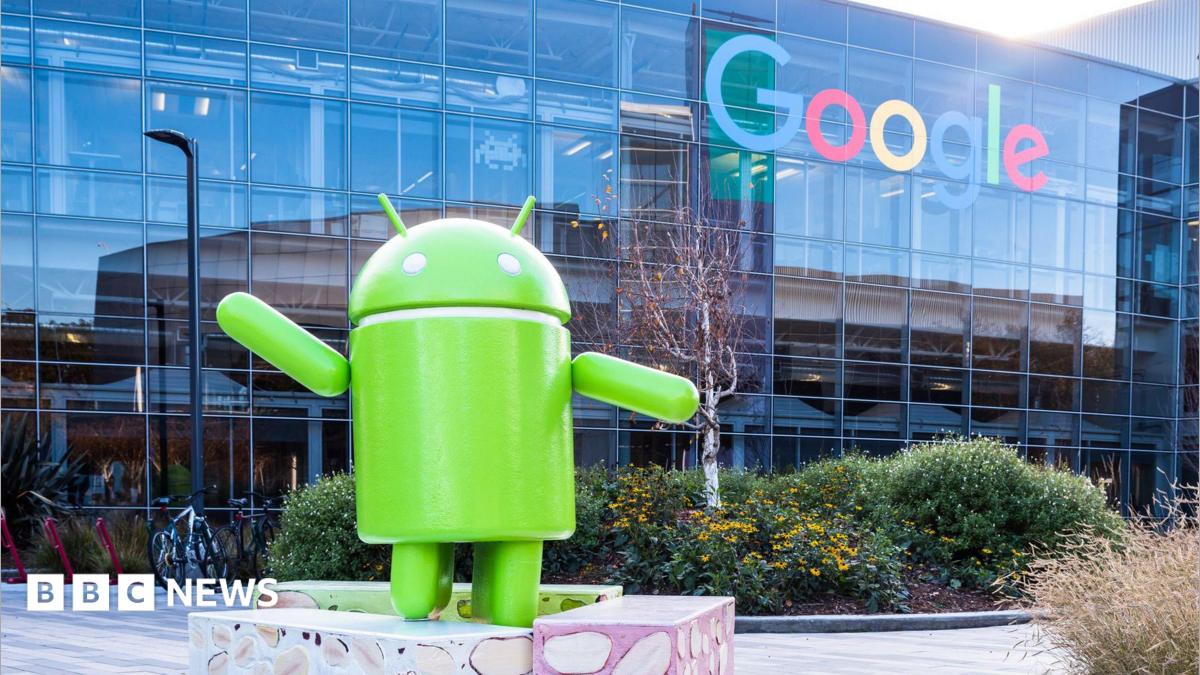
Understand how antitrust regulations on mobile OS ecosystems could impact your app distribution and platform strategy.
30-Second TL;DR
What Changed
European regulators imposed a €4.1 billion fine on Google.
Why It Matters
This ruling sets a significant precedent for how major tech platforms manage their ecosystems. It may force Google to alter its bundling strategies for pre-installed apps on Android devices.
What To Do Next
Review your app's distribution strategy if you rely on platform-level bundling or pre-installation agreements with major OS providers.
Key Points
- •European regulators imposed a €4.1 billion fine on Google.
- •The ruling centers on allegations that Google used Android to stifle competition.
- •Google disputes the judgment, citing its significant investment in the open nature of Android.
Deep Insight
AI-generated analysis for this event — not the original article.
Enhanced Key Takeaways
- •The European Commission's 2018 decision specifically targeted Google's requirement for manufacturers to pre-install Google Search and the Chrome browser as a condition for licensing the Google Play Store.
- •Google was found to have made illegal payments to large manufacturers and mobile network operators to ensure they exclusively pre-installed the Google Search app on their devices.
- •The fine was initially set at €4.34 billion in 2018, but was later reduced to €4.125 billion by the EU General Court in 2022 after a partial annulment of the Commission's findings regarding certain exclusivity payments.
- •The ruling forced Google to change its business model in the European Economic Area, allowing device manufacturers to license the Google Play Store independently of the Google Search app or Chrome browser.
- •This case represents one of three major antitrust fines levied against Google by the European Commission, alongside cases involving the AdSense advertising platform and the Google Shopping comparison service.
Competitor Analysis
- Google Android
- Open Source (AOSP) with proprietary GMS
- Apple iOS
- Closed/Proprietary
- Google Android
- Google Play Store + Sideloading
- Apple iOS
- Apple App Store (Restricted)
- Google Android
- Google (Pre-installed)
- Apple iOS
- Safari (Google pays for default)
- Google Android
- Licensing to OEMs (Samsung, Xiaomi, etc.)
- Apple iOS
- Vertical Integration (Hardware/Software)
| Feature | Google Android | Apple iOS |
|---|---|---|
| Licensing Model | Open Source (AOSP) with proprietary GMS | Closed/Proprietary |
| App Distribution | Google Play Store + Sideloading | Apple App Store (Restricted) |
| Default Search | Google (Pre-installed) | Safari (Google pays for default) |
| Market Strategy | Licensing to OEMs (Samsung, Xiaomi, etc.) | Vertical Integration (Hardware/Software) |
Technical Deep Dive
- The core of the antitrust issue involved the Mobile Application Distribution Agreement (MADA), which mandated the pre-installation of the Google Search app and Chrome browser to access the Google Play Store.
- Google Mobile Services (GMS) is a proprietary bundle of APIs and apps (including Play Store, Maps, and Gmail) that is licensed separately from the open-source Android Open Source Project (AOSP).
- The European Commission argued that Google's 'anti-fragmentation agreements' prevented manufacturers from selling devices running 'forked' versions of Android, thereby limiting competition in the OS market.
- Technical compliance post-ruling required Google to introduce a 'choice screen' for European users, allowing them to select their preferred search engine and browser during the initial device setup process.
Future ImplicationsAI analysis grounded in cited sources
Timeline
- 2016-04European Commission issues a Statement of Objections against Google regarding Android.
- 2018-07European Commission imposes a record €4.34 billion antitrust fine on Google.
- 2018-10Google announces changes to its Android licensing model in the EEA to comply with the ruling.
- 2022-09The EU General Court upholds the majority of the decision but reduces the fine to €4.125 billion.
Weekly AI Recap
Read this week's curated digest of top AI events →
Related Updates

AI-curated news aggregator. All content rights belong to original publishers.
Original source: BBC Technology ↗
This is a summary, not the original. Read the source, or get the weekly briefing.
The weekly digest
One email a week. Unsubscribe anytime.