๐ณ๐ฌTechCabalโขFreshcollected in 6m
Google Challenges Meta with New Intelligent Eyewear
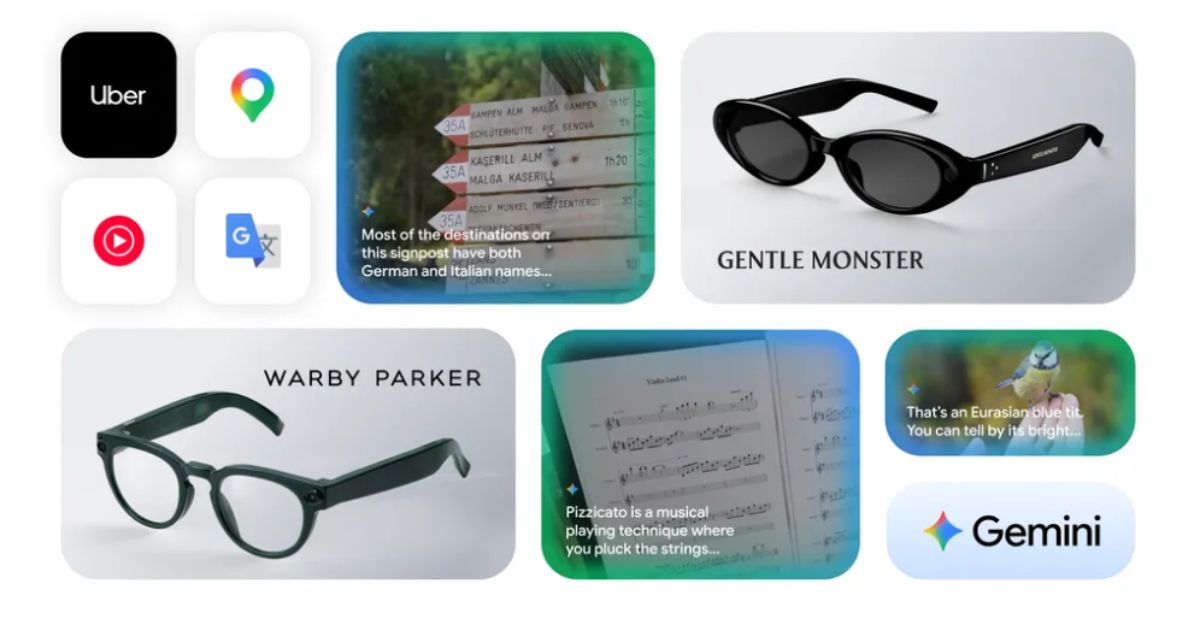
๐กKey shift in wearable AI strategy as Google enters the smart glasses market to rival Meta.
โก 30-Second TL;DR
What Changed
Strategic partnership between Google and Samsung for eyewear
Why It Matters
This partnership intensifies the race for AI-powered wearables, potentially creating a new platform for multimodal AI applications.
What To Do Next
Research Google's ARCore and multimodal AI SDKs to prepare for potential development on their upcoming wearable platform.
Who should care:Developers & AI Engineers
Key Points
- โขStrategic partnership between Google and Samsung for eyewear
- โขDirect competition with Ray-Ban Meta display glasses
- โขFocus on integrating AI into wearable form factors
๐ง Deep Insight
AI-generated analysis for this event.
๐ Enhanced Key Takeaways
- โขThe project is reportedly codenamed 'Project Iris' (or a successor initiative), leveraging Google's Gemini AI model for real-time multimodal processing.
- โขSamsung is expected to handle the hardware manufacturing and display integration, utilizing their expertise in micro-OLED technology.
- โขThe device is anticipated to run on a specialized version of Android optimized for XR (Extended Reality) and wearable form factors.
- โขGoogle aims to differentiate the product by focusing on 'AI Agent' capabilities that can perceive and act upon the user's visual environment, rather than just capturing media.
- โขThe partnership marks a shift in Google's hardware strategy, moving away from standalone AR glasses toward a collaborative ecosystem approach with Samsung to counter Meta's vertical integration.
๐ Competitor Analysisโธ Show
| Feature | Google/Samsung Eyewear (Projected) | Ray-Ban Meta | Apple Vision Pro |
|---|---|---|---|
| Form Factor | Lightweight Glasses | Classic Eyewear | Spatial Computer (Headset) |
| Primary AI | Gemini | Meta AI | Apple Intelligence |
| Display | Micro-OLED AR | None (Audio/Camera only) | Dual Micro-OLED |
| Target Price | Mid-to-High Tier | $299 - $429 | $3,499+ |
๐ ๏ธ Technical Deep Dive
- Architecture: Likely utilizes a custom Qualcomm Snapdragon AR-series chipset optimized for low-latency AI inference.
- Multimodal Processing: Integration of Gemini Nano or a similar on-device model to handle visual input without constant cloud reliance.
- Display Tech: Expected to use waveguide optics paired with Samsung-manufactured Micro-OLED panels for high-brightness, transparent overlays.
- Connectivity: Wi-Fi 7 and Bluetooth 5.4 support for seamless integration with Android smartphones and cloud-based AI services.
- Sensor Suite: Includes high-resolution cameras for computer vision, IMUs for head tracking, and spatial audio arrays.
๐ฎ Future ImplicationsAI analysis grounded in cited sources
Google will unify its XR software ecosystem under a single Android-based platform.
The collaboration with Samsung necessitates a standardized OS to ensure compatibility across future wearable devices.
The device will trigger a new wave of privacy-focused hardware regulations.
The integration of advanced AI and cameras into everyday eyewear will likely prompt legislative scrutiny regarding data collection and public recording.
โณ Timeline
2022-01
Google acquires Raxium to bolster micro-LED display capabilities for future AR hardware.
2023-02
Google reportedly pivots its internal AR strategy, leading to the restructuring of the Project Iris team.
2024-02
Google and Samsung announce an expanded partnership to develop a new XR platform.
2025-05
Google showcases advanced Gemini-powered multimodal AI capabilities at I/O, signaling readiness for wearable integration.
๐ฐ
Weekly AI Recap
Read this week's curated digest of top AI events โ
๐Related Updates
AI-curated news aggregator. All content rights belong to original publishers.
Original source: TechCabal โ