GluFormer Paradigm Migrates to Ecology AI
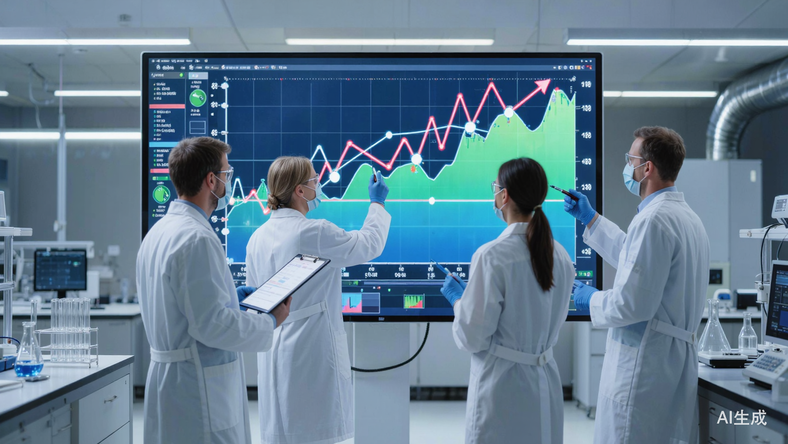
💡Time-series foundation model paradigm shifts ecology from static to dynamic predictions
⚡ 30-Second TL;DR
What Changed
Self-supervision cracks ecology's annotation scarcity using global unlabeled monitoring data.
Why It Matters
Reconstructs ecology research from site-specific models to universal foundations, accelerating climate response predictions. Demonstrates AI paradigm transferability across life sciences.
What To Do Next
Pretrain a GluFormer-like model on FLUXNET data using self-supervised next-step prediction.
Key Points
- •Self-supervision cracks ecology's annotation scarcity using global unlabeled monitoring data.
- •Autoregressive prediction/tokenization for flux, phenology, water quality time-series.
- •Universal pretraining bottom enables few-shot adaptation for degradation/disaster forecasting.
- •Matches pain points: dynamic vs static, generalization across sites/ecosystems.
Weekly AI Recap
Read this week's curated digest of top AI events →
👉Related Updates
AI-curated news aggregator. All content rights belong to original publishers.
Original source: 虎嗅 ↗
This is a summary, not the original. Read the source, or get the weekly briefing.
Weekly AI briefing
One email a week. Unsubscribe anytime.