GitHub Availability Update
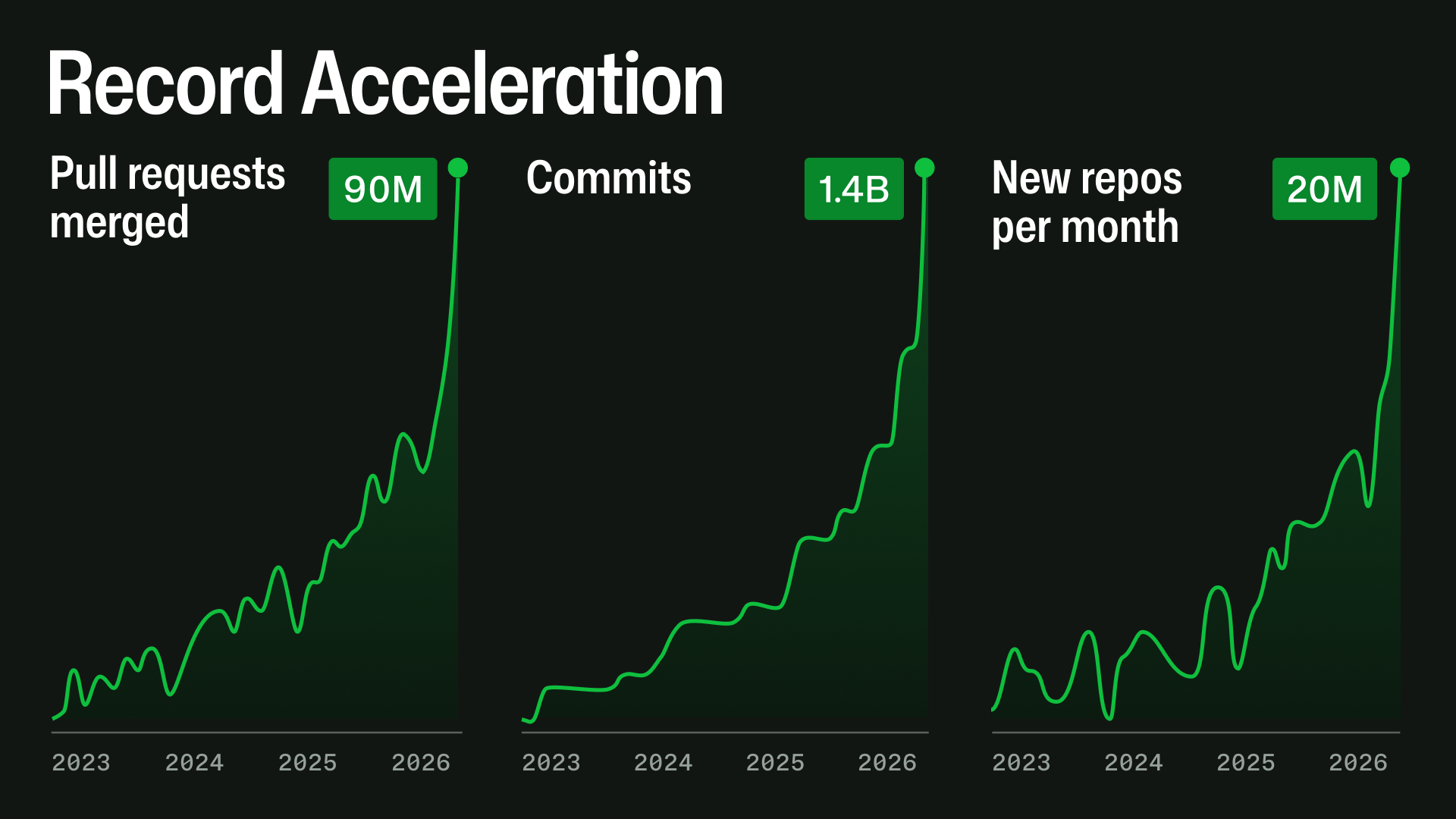
💡GitHub reliability fixes cut downtime for AI code hosting & Copilot use
⚡ 30-Second TL;DR
What Changed
Provides overview of availability improvements
Why It Matters
Improved GitHub availability minimizes disruptions for developers hosting AI repos and running CI/CD pipelines. This enhances productivity for AI workflows dependent on GitHub services like Copilot.
What To Do Next
Check the GitHub Status page for latest uptime metrics before scheduling large repo pushes.
Key Points
- •Provides overview of availability improvements
- •Details past actions to boost reliability
- •Outlines ongoing work for better uptime
🧠 Deep Insight
AI-generated analysis for this event — not the original article.
🔑 Enhanced Key Takeaways
- •GitHub has transitioned to a multi-region active-active architecture for critical services to mitigate the impact of regional outages.
- •The platform is implementing automated 'circuit breaking' and traffic shedding mechanisms to prevent cascading failures during periods of high load or service degradation.
- •GitHub is investing in 'Chaos Engineering' practices, specifically utilizing automated fault injection to identify and remediate latent reliability issues before they impact production.
📊 Competitor Analysis▸ Show
| Feature | GitHub | GitLab | Bitbucket |
|---|---|---|---|
| Architecture | Multi-region Active-Active | Hybrid/Self-managed focus | Cloud-native/Multi-region |
| Uptime SLA | 99.95% (Enterprise) | 99.9% (Ultimate) | 99.9% (Premium/Enterprise) |
| Reliability Strategy | Automated Circuit Breaking | Geo-redundancy/DR focus | Atlassian Cloud Platform |
🛠️ Technical Deep Dive
- •Implementation of global load balancing (GLB) to dynamically route traffic away from unhealthy data centers.
- •Adoption of service mesh technology to manage inter-service communication, enabling fine-grained retries and timeout policies.
- •Database sharding and read-replica scaling to reduce contention on primary write nodes during traffic spikes.
- •Deployment of 'Cell-based' architecture to isolate failure domains, ensuring that an issue in one cell does not affect the entire platform.
🔮 Future ImplicationsAI analysis grounded in cited sources
⏳ Timeline
Weekly AI Recap
Read this week's curated digest of top AI events →
👉Related Updates
AI-curated news aggregator. All content rights belong to original publishers.
Original source: GitHub Blog ↗
This is a summary, not the original. Read the source, or get the weekly briefing.
The weekly digest
One email a week. Unsubscribe anytime.