Gigabyte GPU Prices Could Rise Up to 40%
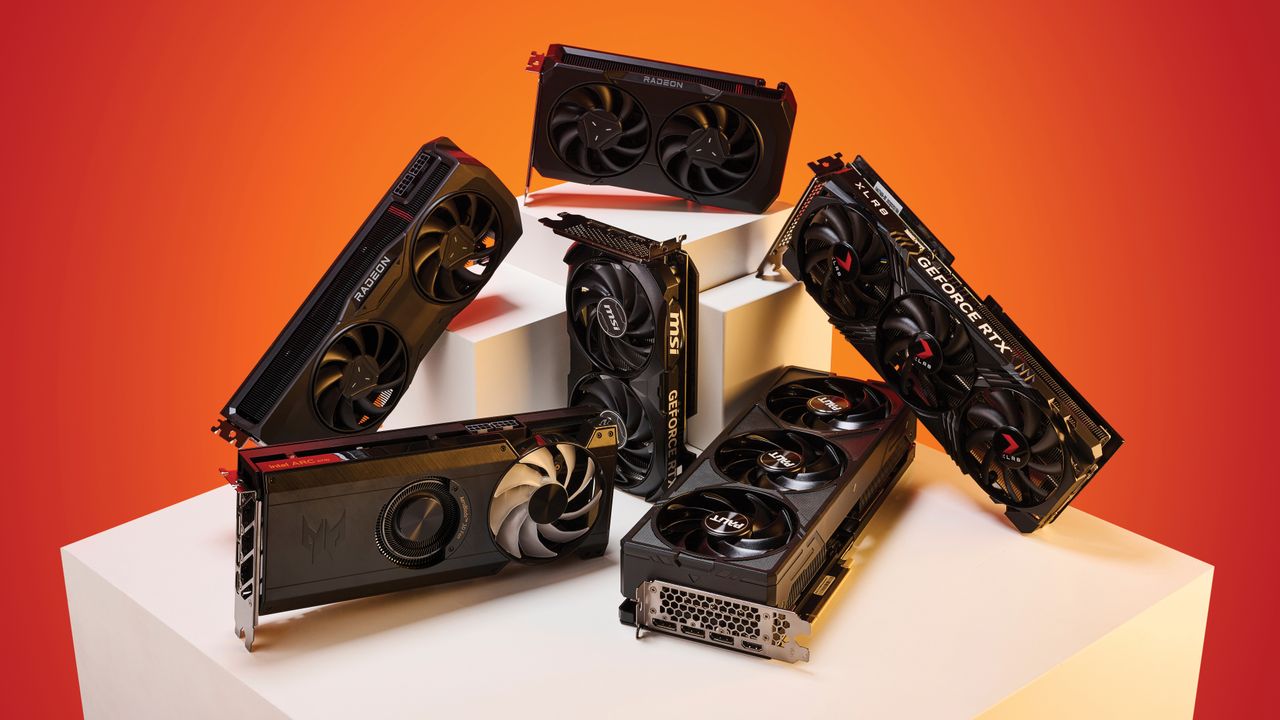
A sudden 40% GPU increase could reshape the cost of local AI experimentation.
30-Second TL;DR
What Changed
CFD Sales signaled a new 20% to 40% price increase for Gigabyte graphics cards.
Why It Matters
A 20% to 40% increase can materially change the economics of self-hosted model training and inference. Teams may need to delay purchases, use cloud GPUs, or consider alternative vendors and refurbished hardware.
What To Do Next
Obtain a written quote for your required Gigabyte GPU models this week and benchmark cloud rental costs before committing to a bulk purchase.
Key Points
- •CFD Sales signaled a new 20% to 40% price increase for Gigabyte graphics cards.
- •The increase applies to orders handled by a Japanese technology distributor.
- •Higher consumer GPU prices could affect local AI prototyping and small-scale inference deployments.
Deep Insight
AI-generated analysis for this event — not the original article.
Enhanced Key Takeaways
- •The price hike is attributed to a combination of fluctuating currency exchange rates, specifically the weakening of the Japanese Yen against the US Dollar, and rising logistics costs.
- •CFD Sales acts as a primary distributor for Gigabyte in Japan, meaning this price adjustment is localized to the Japanese market and does not necessarily reflect global MSRP changes.
- •Market analysts suggest this move may be a preemptive measure by distributors to protect margins against potential supply chain volatility in the second half of 2026.
- •While the increase targets consumer-grade GPUs, it disproportionately impacts the 'prosumer' segment, where developers often utilize high-end GeForce RTX cards for local LLM fine-tuning.
- •Gigabyte has not issued a global statement regarding these price adjustments, indicating that the policy is currently restricted to regional distribution agreements.
Competitor Analysis
- Gigabyte (RTX 40/50 Series)
- Value/Performance
- ASUS (RTX 40/50 Series)
- Premium/Enthusiast
- MSI (RTX 40/50 Series)
- Balanced/Mainstream
- Gigabyte (RTX 40/50 Series)
- Windforce
- ASUS (RTX 40/50 Series)
- ROG Strix/TUF
- MSI (RTX 40/50 Series)
- Twin Frozr
- Gigabyte (RTX 40/50 Series)
- Aggressive/Volume-based
- ASUS (RTX 40/50 Series)
- Premium/Brand-led
- MSI (RTX 40/50 Series)
- Competitive/Retail-focused
- Gigabyte (RTX 40/50 Series)
- High (VRAM focus)
- ASUS (RTX 40/50 Series)
- High (Build quality)
- MSI (RTX 40/50 Series)
- High (Thermal efficiency)
| Feature | Gigabyte (RTX 40/50 Series) | ASUS (RTX 40/50 Series) | MSI (RTX 40/50 Series) |
|---|---|---|---|
| Market Positioning | Value/Performance | Premium/Enthusiast | Balanced/Mainstream |
| Cooling Tech | Windforce | ROG Strix/TUF | Twin Frozr |
| Pricing Strategy | Aggressive/Volume-based | Premium/Brand-led | Competitive/Retail-focused |
| AI Suitability | High (VRAM focus) | High (Build quality) | High (Thermal efficiency) |
Technical Deep Dive
- The price increase affects the entire stack of Gigabyte's NVIDIA-based graphics cards, ranging from entry-level RTX 4060 models to flagship RTX 5090 variants.
- These GPUs utilize NVIDIA's Ada Lovelace and Blackwell architectures, which are critical for FP8 and INT8 precision tasks in AI inference.
- The hardware relies on high-bandwidth GDDR6X or GDDR7 memory, which remains a significant cost driver in the bill of materials (BOM) for board partners.
- Thermal management systems on Gigabyte's 'Gaming OC' and 'AORUS' lines utilize vapor chamber technology, which has seen increased manufacturing costs due to raw material price fluctuations.
Future ImplicationsAI analysis grounded in cited sources
Timeline
- 2023-05Gigabyte expands AI-focused GPU marketing following the generative AI boom.
- 2024-09CFD Sales adjusts distribution strategy to prioritize high-VRAM GPU models.
- 2025-03Gigabyte reports record revenue growth driven by high-end graphics card demand.
- 2026-02Initial reports of supply chain tightening for GDDR7 memory components.
- 2026-08CFD Sales announces 20-40% price increase for Gigabyte GPU orders.
Weekly AI Recap
Read this week's curated digest of top AI events →
AI-curated news aggregator. All content rights belong to original publishers.
Original source: Tom's Hardware ↗
This is a summary, not the original. Read the source, or get the weekly briefing.
The weekly digest
One email a week. Unsubscribe anytime.