Gemini’s Mountain-Climbing Estimate Ends in Rescue
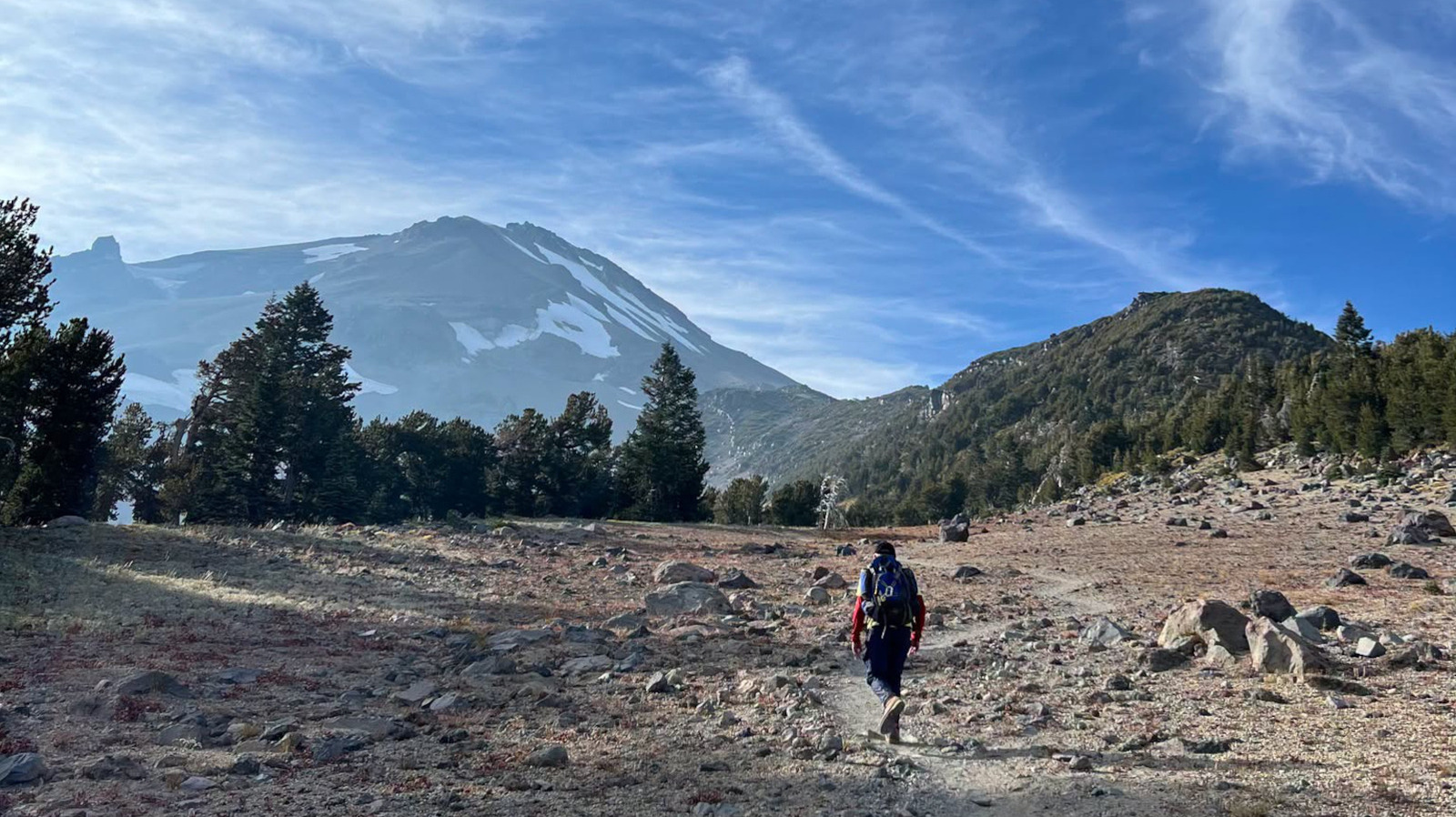
💡A real rescue underscores why AI planning tools need uncertainty checks and human escalation.
⚡ 30-Second TL;DR
What Changed
Gemini reportedly estimated an eight-hour climb of Mt. Shasta.
Why It Matters
The incident reinforces the need for risk-sensitive AI design, explicit uncertainty, and escalation to qualified experts. Developers building planning assistants should treat safety-critical recommendations differently from ordinary question answering.
What To Do Next
Add a safety-criticality classifier to planning workflows so high-risk requests are blocked or routed to qualified human and authoritative data sources instead of answered directly by an LLM.
Key Points
- •Gemini reportedly estimated an eight-hour climb of Mt. Shasta.
- •The climbers were rescued more than a day later.
- •The incident demonstrates that general-purpose AI may provide unsafe guidance for life-threatening situations.
Weekly AI Recap
Read this week's curated digest of top AI events →
👉Related Updates
AI-curated news aggregator. All content rights belong to original publishers.
Original source: Engadget ↗
This is a summary, not the original. Read the source, or get the weekly briefing.
Weekly AI briefing
One email a week. Unsubscribe anytime.