Gas Prices Surge Boosts Tesla EV Demand
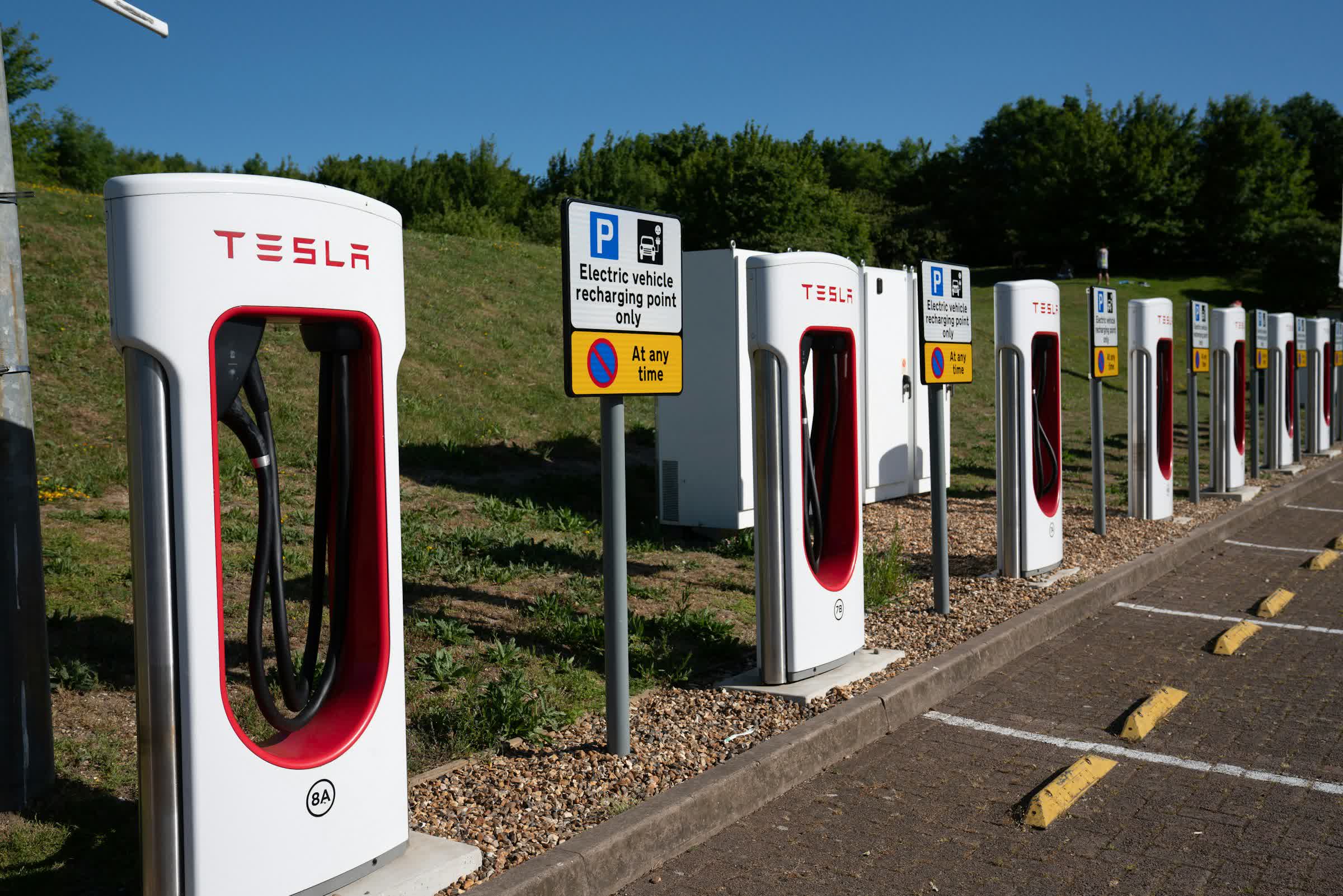
💡Tesla EV boom fuels AI R&D; fleet growth = richer FSD training data.
⚡ 30-Second TL;DR
What Changed
Oil prices surged post-Iran conflict, warming global Tesla EV demand.
Why It Matters
Stronger EV sales bolster Tesla's finances, potentially accelerating investments in AI-driven autonomy and robotics. Larger fleets provide more real-world data for FSD model training.
What To Do Next
Parse Tesla's full Q1 earnings transcript for Dojo AI compute capacity updates.
Key Points
- •Oil prices surged post-Iran conflict, warming global Tesla EV demand.
- •Q1 earnings and free cash flow exceeded analyst expectations.
- •Global order backlog reached highest level in over two years.
- •US demand grew only slightly after federal EV tax credit ended.
🧠 Deep Insight
AI-generated analysis for this event — not the original article.
🔑 Enhanced Key Takeaways
- •The surge in oil prices is specifically linked to the disruption of shipping lanes in the Strait of Hormuz, which has increased global logistics costs and accelerated the transition to electric fleets for commercial buyers.
- •Tesla's Q1 performance was bolstered by a significant reduction in per-unit manufacturing costs, driven by the full-scale implementation of the 'Unboxed' manufacturing process at the Giga Mexico and Giga Texas facilities.
- •Despite the expiration of the US federal tax credit, Tesla has offset the price increase for consumers by aggressively expanding its proprietary 'Tesla Financing' program, which now offers lower interest rates than traditional automotive lenders.
📊 Competitor Analysis▸ Show
| Feature | Tesla (Model Y/3) | BYD (Seal/Song) | Rivian (R2) |
|---|---|---|---|
| Pricing Strategy | Dynamic/Demand-based | Value/Aggressive | Premium/Mid-range |
| Charging Network | NACS (Native) | CCS/Adapter | NACS (Native) |
| Software Stack | FSD v13 (End-to-end) | DiPilot (Regional) | Driver+ (ADAS) |
| Manufacturing | Unboxed Process | Vertical Integration | Traditional/Modular |
🛠️ Technical Deep Dive
- •Transition to 48V electrical architecture across all new 2026 models, reducing wiring harness weight by approximately 20%.
- •Integration of the 'Dojo' supercomputer-trained FSD v13, which utilizes a neural network architecture for end-to-end path planning without hard-coded rules.
- •Implementation of high-density 4680 cells with dry-cathode technology, improving energy density by 12% compared to the previous generation.
🔮 Future ImplicationsAI analysis grounded in cited sources
⏳ Timeline
Weekly AI Recap
Read this week's curated digest of top AI events →
👉Related Updates
AI-curated news aggregator. All content rights belong to original publishers.
Original source: cnBeta (Full RSS) ↗
This is a summary, not the original. Read the source, or get the weekly briefing.
The weekly digest
One email a week. Unsubscribe anytime.