Gamers Disgusted by DLSS 5 AI Glow-Ups
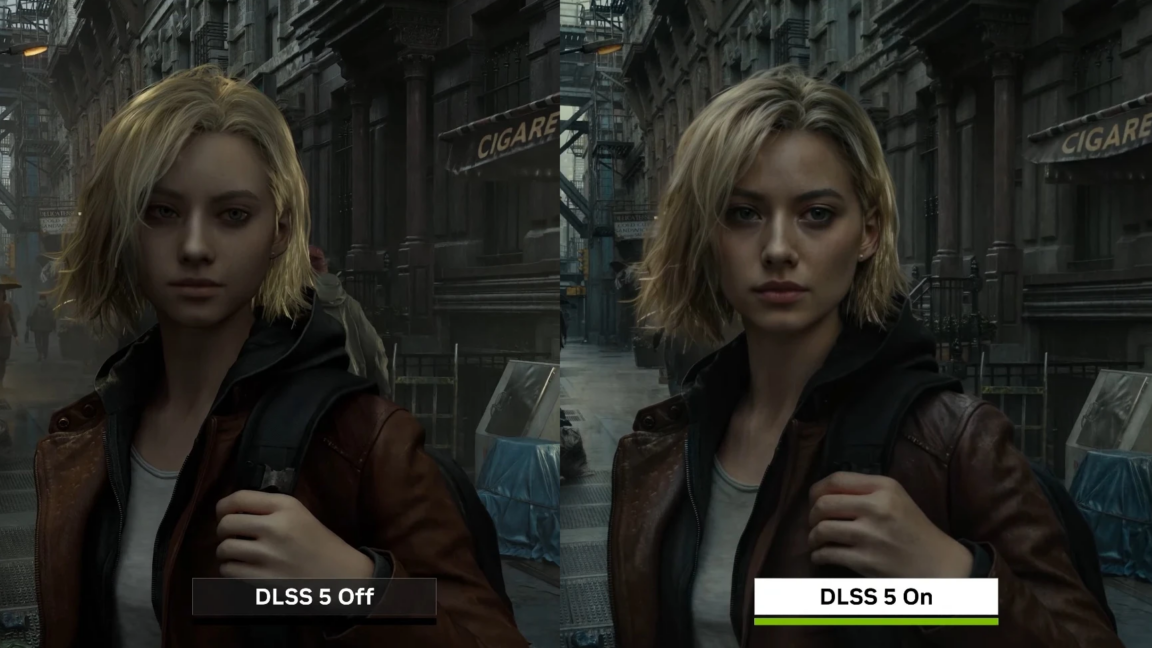
💡Nvidia DLSS 5's generative AI sparks gamer disgust—key lessons for real-time AI graphics.
⚡ 30-Second TL;DR
What Changed
Gamers express overwhelming disgust to DLSS 5
Why It Matters
Backlash against DLSS 5 underscores user resistance to generative AI alterations in gaming visuals. AI practitioners should note potential consumer pushback when deploying similar tech in real-time applications.
What To Do Next
Test DLSS 5 demos in Unreal Engine to evaluate generative AI frame-gen artifacts.
Key Points
- •Gamers express overwhelming disgust to DLSS 5
- •DLSS 5 employs generative AI for frame-gen glow-ups
- •Tech exceeds upscaling but faces strong backlash
🧠 Deep Insight
Background and context from public sources — not the original article. 7 sources cited.
🔑 Enhanced Key Takeaways
- •DLSS 5 introduces a neural rendering model that processes color and motion vectors from game frames to infuse pixels with photorealistic lighting and materials[4][7].
- •Nvidia announced DLSS 5 as an upcoming technology on March 16, 2026, previewing real-time 4K footage emphasizing a shift toward photorealistic visual fidelity[7].
- •The 'glow-ups' backlash stems from perceptions of DLSS 5 applying an uncontrolled AI filter layer between the game engine and display, altering visuals in an Instagram-like manner[4].
🔮 Future ImplicationsAI analysis grounded in cited sources
⏳ Timeline
📎 Sources (7)
Factual claims are grounded in the sources below. Forward-looking analysis is AI-generated interpretation.
Weekly AI Recap
Read this week's curated digest of top AI events →
👉Related Updates
AI-curated news aggregator. All content rights belong to original publishers.
Original source: Ars Technica AI ↗
This is a summary, not the original. Read the source, or get the weekly briefing.
Weekly AI briefing
One email a week. Unsubscribe anytime.