Foshan: The 'Adult Disney' of furniture manufacturing
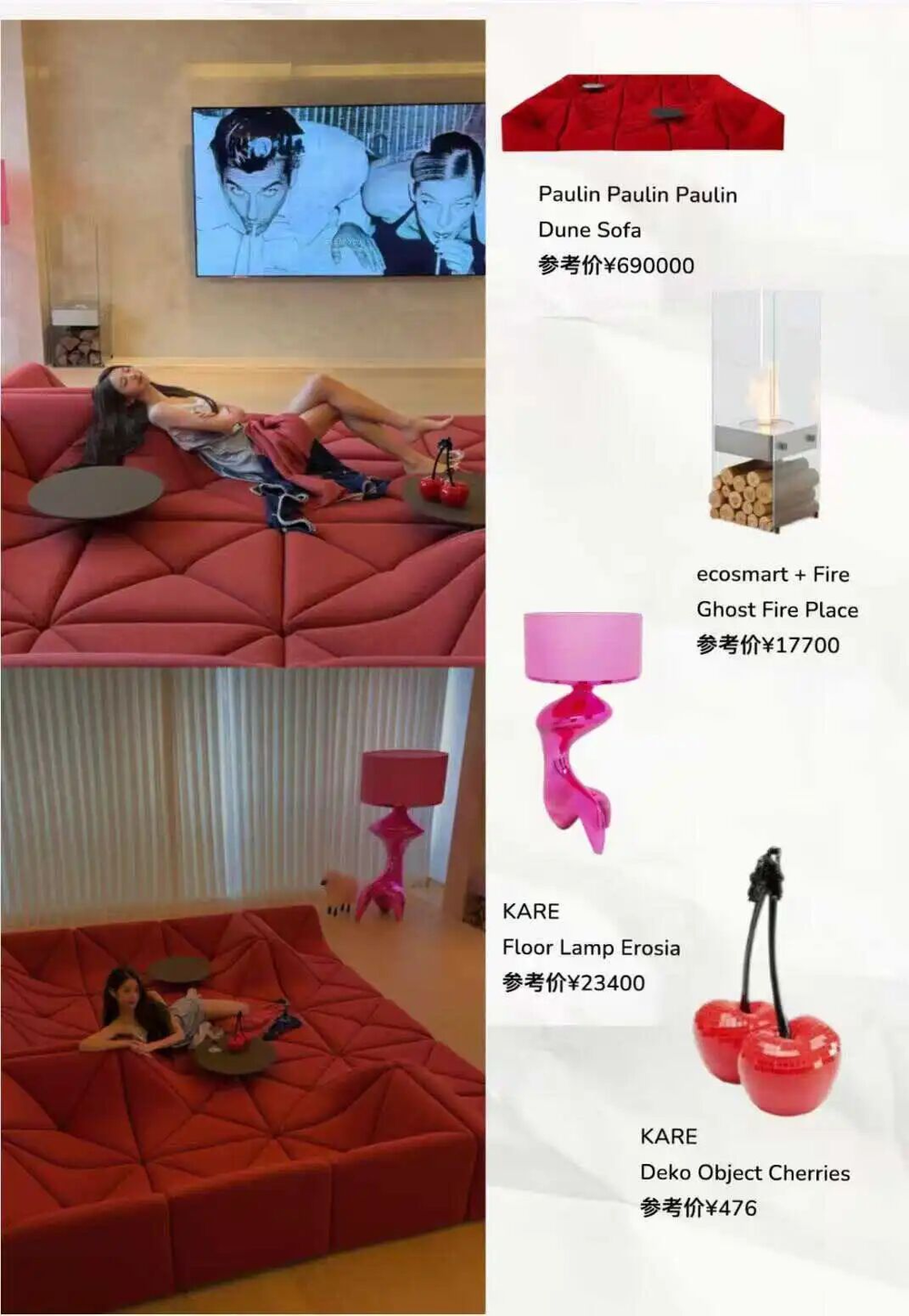
See how extreme supply chain efficiency and reverse engineering are disrupting the global luxury furniture market.
30-Second TL;DR
What Changed
Foshan functions as a 'furniture version of Yiwu' with extreme manufacturing speed.
Why It Matters
The Foshan model demonstrates the power of supply chain agility and localized manufacturing clusters in disrupting global luxury markets.
What To Do Next
Consider how your product's supply chain can leverage rapid prototyping clusters to reduce time-to-market.
Key Points
- •Foshan functions as a 'furniture version of Yiwu' with extreme manufacturing speed.
- •The industry excels at reverse engineering complex, high-end designer furniture.
- •A new 'furniture tourism' trend has emerged among middle-class consumers seeking value.
- •The ecosystem thrives on bypassing traditional brand premiums through direct factory access.
Deep Insight
AI-generated analysis for this event — not the original article.
Enhanced Key Takeaways
- •Foshan's furniture industry is geographically concentrated in the Shunde District, which serves as the core hub for the Pearl River Delta's furniture manufacturing cluster.
- •The region has transitioned from pure manufacturing to a 'Design + Manufacturing' model, with the Shunde Furniture Association actively promoting intellectual property protection to combat the stigma of replication.
- •Digital transformation initiatives in Foshan have integrated IoT and automated CNC machinery, allowing factories to handle 'small-batch, multi-variety' orders that traditional mass-production facilities cannot accommodate.
- •The 'Furniture Tourism' phenomenon is supported by massive specialized exhibition centers like the Louvre Furniture Mall, which functions as a high-end showroom for global buyers and domestic tourists alike.
- •Local government policies have increasingly focused on 'Brand Foshan' initiatives, encouraging manufacturers to move away from OEM/ODM models toward developing independent designer labels to capture higher profit margins.
Competitor Analysis
- Foshan (Shunde)
- Ultra-Low/Competitive
- Italian Furniture Cluster (Brianza)
- Premium/Luxury
- Vietnamese Manufacturing
- Low/Mid-Range
- Foshan (Shunde)
- Extremely High (Days/Weeks)
- Italian Furniture Cluster (Brianza)
- Moderate (Months)
- Vietnamese Manufacturing
- Moderate
- Foshan (Shunde)
- Replication/Adaptation
- Italian Furniture Cluster (Brianza)
- Original Innovation
- Vietnamese Manufacturing
- Mass Production
- Foshan (Shunde)
- Fully Integrated Local
- Italian Furniture Cluster (Brianza)
- Specialized/Artisanal
- Vietnamese Manufacturing
- Emerging/Import-Dependent
| Feature | Foshan (Shunde) | Italian Furniture Cluster (Brianza) | Vietnamese Manufacturing |
|---|---|---|---|
| Pricing | Ultra-Low/Competitive | Premium/Luxury | Low/Mid-Range |
| Speed to Market | Extremely High (Days/Weeks) | Moderate (Months) | Moderate |
| Design Focus | Replication/Adaptation | Original Innovation | Mass Production |
| Supply Chain | Fully Integrated Local | Specialized/Artisanal | Emerging/Import-Dependent |
Technical Deep Dive
- Implementation of Flexible Manufacturing Systems (FMS) allows for rapid reconfiguration of production lines for custom furniture dimensions.
- Utilization of advanced 5-axis CNC machining centers enables the precise replication of complex organic shapes found in high-end designer furniture.
- Integration of ERP (Enterprise Resource Planning) systems linked directly to e-commerce platforms allows for real-time inventory management and order tracking for direct-to-consumer sales.
- Adoption of automated edge-banding and laser-cutting technologies reduces material waste and improves finish quality to match international standards.
Future ImplicationsAI analysis grounded in cited sources
Timeline
- 1980-01Early development of Shunde's township enterprises begins, laying the foundation for the furniture industry.
- 2000-05The Louvre Furniture Mall opens in Shunde, becoming a landmark for the industry's transition to large-scale exhibition-based sales.
- 2015-10Foshan government launches 'Made in Foshan' branding strategy to elevate the quality perception of local furniture.
- 2021-03Implementation of stricter regional IP regulations begins to address international concerns regarding design replication.
Weekly AI Recap
Read this week's curated digest of top AI events →
AI-curated news aggregator. All content rights belong to original publishers.
Original source: 虎嗅 ↗
This is a summary, not the original. Read the source, or get the weekly briefing.
The weekly digest
One email a week. Unsubscribe anytime.