Ford & GM Lag in China's EV/AV Race
💡China's self-driving lead warns AI devs: Western auto giants scrambling—adapt or lag in mobility AI
⚡ 30-Second TL;DR
What Changed
Ford and GM risk becoming relics
Why It Matters
Intensifies competition in autonomous driving AI, forcing Western firms to boost R&D investments. AI practitioners in mobility may see rising demand for AV tech expertise amid global shifts.
What To Do Next
Benchmark your AV perception models against Baidu Apollo open datasets.
Key Points
- •Ford and GM risk becoming relics
- •Chinese carmakers excel in electric vehicles
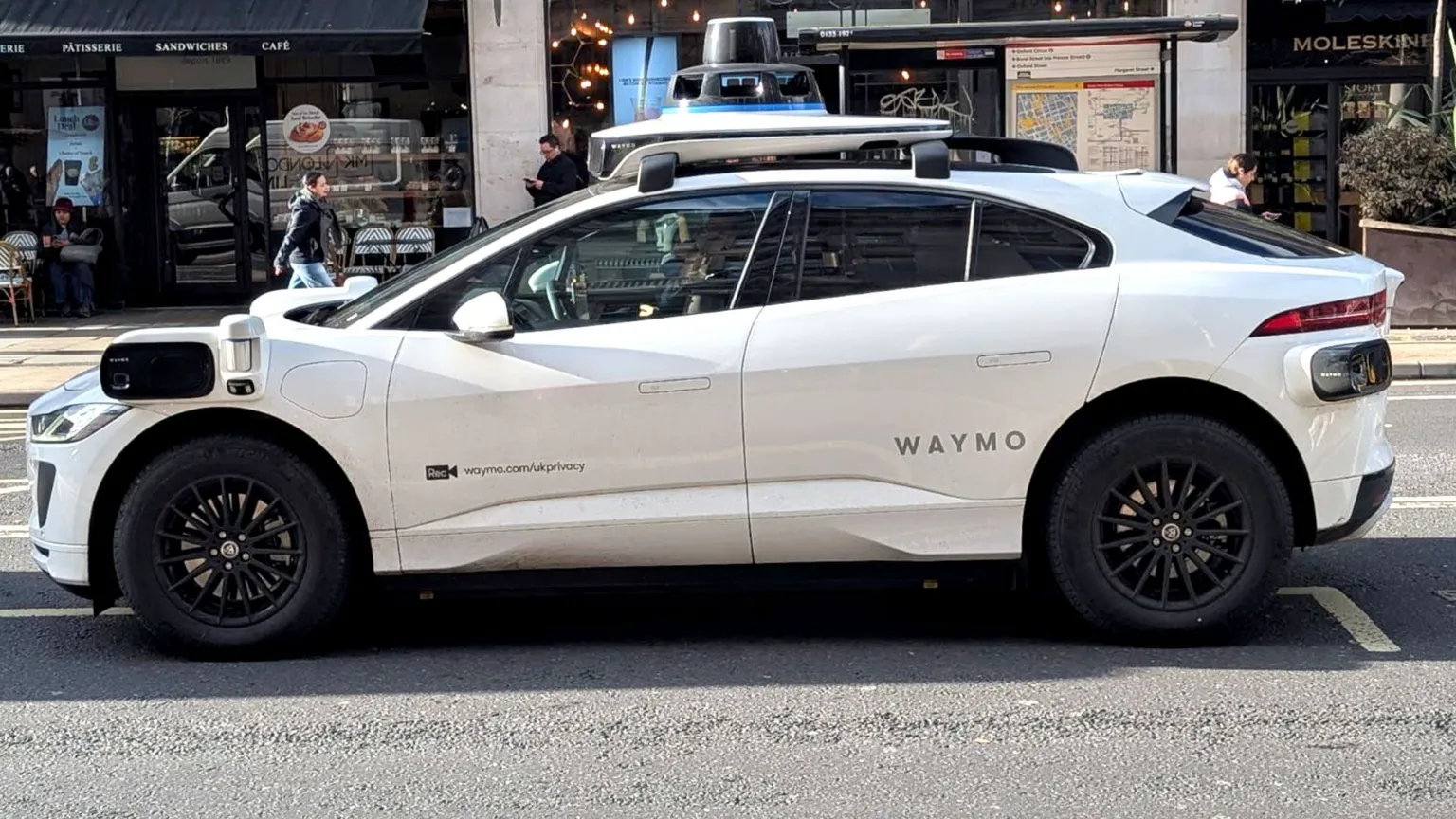
- •Chinese tech leads in self-driving cars
🧠 Deep Insight
Background and context from public sources — not the original article. 4 sources cited.
🔑 Enhanced Key Takeaways
- •BYD surpassed Tesla as the world's largest EV maker in 2025 with over 2.2 million vehicles sold, while Tesla dropped out of China's top 10 EV sellers, demonstrating a fundamental shift in competitive dominance[2][4]
- •China controls approximately 70% of global EV production and 69% of the global EV battery market, with six of the top ten selling global EV brands now Chinese, creating structural advantages in supply chain and manufacturing scale[1]
- •Chinese EV exports doubled from 2024 to 2025, reaching 2.65 million vehicles, while Chinese automakers are aggressively expanding internationally as domestic market saturation (60% EV penetration) limits growth opportunities[2]
- •Chinese EVs demonstrate significant cost advantages—a Chinese electric vehicle costs roughly one-sixth as much to fuel and sells for roughly half the upfront price compared to equivalent US vehicles like the Chevrolet Trax[3]
- •Canada's March 2026 trade deal allowing 49,000 Chinese EVs annually at 6.1% tariffs (down from 100%) signals geopolitical shifts that may accelerate Chinese EV market access in North America, partly driven by US trade pressure on Canada[1]
📊 Competitor Analysis▸ Show
| Metric | BYD | Tesla | Ford | GM | Chinese EV Sector |
|---|---|---|---|---|---|
| 2025 Global EV Sales | 2.2M+ | Below BYD | Declining | Declining | 12.9M (China) |
| Market Position | #1 EV Maker | Dropped from China Top 10 | #8 Overall | Not in Top 10 | 60% China market share |
| Supply Chain Integration | Vertically integrated (batteries, semiconductors, software) | Software/robotics focus | Traditional OEM | Traditional OEM | Diverse, competitive |
| Cost Competitiveness | ~50% lower upfront; 1/6 fuel cost vs US EVs | Premium positioning | Higher cost structure | Higher cost structure | Aggressive pricing |
| Global Export Growth | 2.65M (2025, doubled YoY) | Constrained by tariffs | Limited EV exports | Limited EV exports | Expanding rapidly |
🔮 Future ImplicationsAI analysis grounded in cited sources
⏳ Timeline
📎 Sources (4)
Factual claims are grounded in the sources below. Forward-looking analysis is AI-generated interpretation.
- energyathaas.wordpress.com — The Electric Vehicle Tariff Boomerang
- theinvadingsea.com — Electric Vehicles Ev Sales US Automakers China Byd Europe Charging Rivian Fleet Procurement
- gerardreid.substack.com — America Blinks As China Builds the
- carsguide.com.au — Byd Topples Ford Honda and Mg in Global New Car Sales Race but When Will It Be a Challenge
Weekly AI Recap
Read this week's curated digest of top AI events →
👉Related Updates
AI-curated news aggregator. All content rights belong to original publishers.
Original source: New York Times Technology ↗
This is a summary, not the original. Read the source, or get the weekly briefing.
Weekly AI briefing
One email a week. Unsubscribe anytime.