Flock Faces Its Stalker-Cop Problem
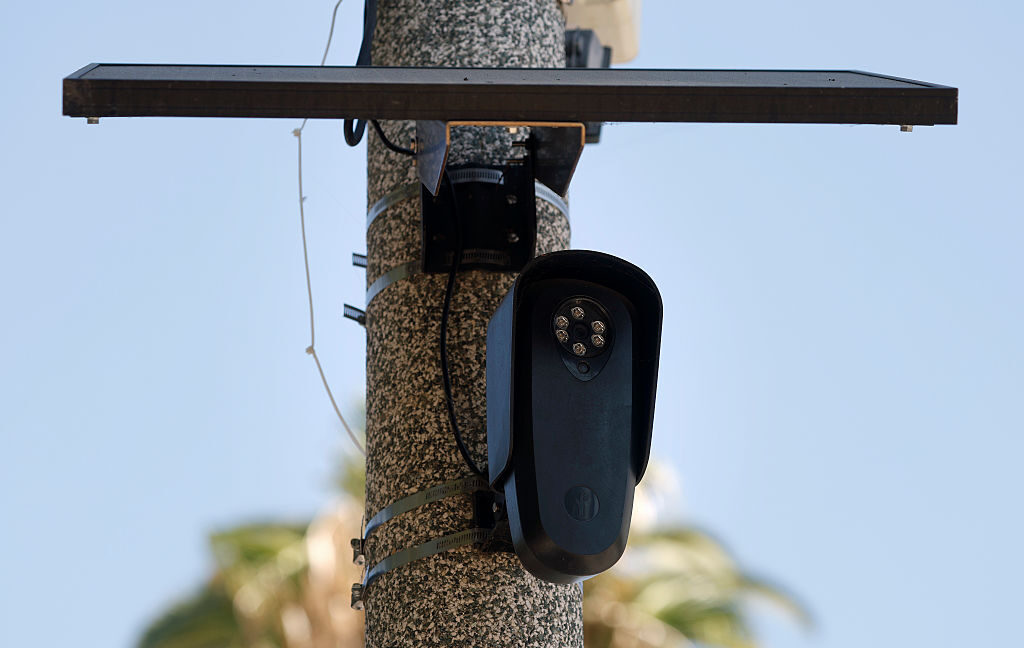
💡Surveillance AI needs governance beyond blocking abusive users—especially when agencies control the evidence.
⚡ 30-Second TL;DR
What Changed
Flock plans to lock out officers who use the system to stalk ex-partners.
Why It Matters
The case illustrates why AI-enabled surveillance requires governance, auditability, and independent oversight in addition to access controls. Enterprise AI teams deploying identity or location analytics should treat insider misuse as a primary threat model.
What To Do Next
Add immutable access logs and independent quarterly audits to any AI surveillance system before production deployment.
Key Points
- •Flock plans to lock out officers who use the system to stalk ex-partners.
- •Experts argue that technical safeguards cannot address institutional abuse alone.
- •Police agencies may retain the ability to hide or underreport misuse.
🧠 Deep Insight
AI-generated analysis for this event.
🔑 Enhanced Key Takeaways
- •Flock Safety's automated license plate recognition (ALPR) systems utilize proprietary machine learning models to identify vehicle make, model, color, and license plate characters in real-time.
- •The company has faced increasing scrutiny from privacy advocacy groups like the ACLU, which argue that Flock's vast network of cameras creates a 'dragnet' surveillance state without sufficient public oversight.
- •Flock has implemented an 'Audit Trail' feature designed to log every search query made by law enforcement, though critics note that agencies often control the administrative access to these logs.
- •Several states have introduced or passed legislation aimed at restricting the retention periods of data collected by private ALPR networks to mitigate long-term tracking risks.
- •The 'stalker-cop' issue stems from the system's ability to perform 'hot list' searches, where officers can input license plates to receive real-time alerts when a vehicle passes a camera.
📊 Competitor Analysis▸ Show
| Feature | Flock Safety | Motorola Solutions (Vigilant) | Rekor Systems |
|---|---|---|---|
| Core Tech | ALPR + Vehicle Fingerprinting | ALPR + Body Worn Cameras | AI-based Traffic Intelligence |
| Business Model | Subscription (SaaS) | Hardware + Software Integration | Data Licensing + SaaS |
| Market Focus | Law Enforcement & Private Security | Enterprise & Public Safety | Infrastructure & Government |
🛠️ Technical Deep Dive
- Flock cameras utilize edge computing to process video locally, transmitting only metadata (license plate, vehicle attributes) to the cloud to reduce bandwidth usage.
- The system employs a proprietary 'Vehicle Fingerprint' technology that identifies vehicles based on unique characteristics like dents, stickers, or roof racks, even when license plates are obscured.
- Cloud infrastructure is hosted on AWS, utilizing encrypted databases for storage, with access control lists (ACLs) managed by individual agency administrators.
- API integrations allow for real-time cross-referencing with NCIC (National Crime Information Center) databases to trigger alerts for stolen vehicles or wanted suspects.
🔮 Future ImplicationsAI analysis grounded in cited sources
⏳ Timeline
Weekly AI Recap
Read this week's curated digest of top AI events →
👉Related Updates



AI-curated news aggregator. All content rights belong to original publishers.
Original source: Ars Technica ↗