Fitbit’s Gemini AI coach faces backlash over poor advice
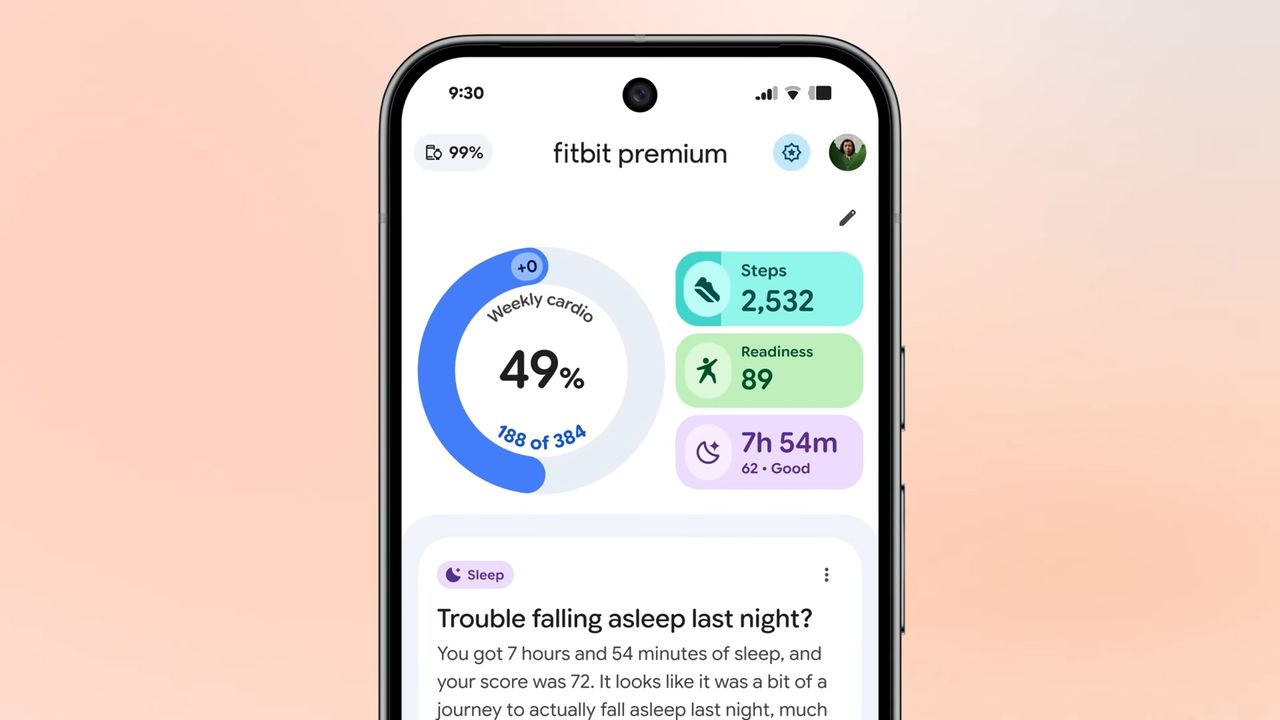
A cautionary case study on why deploying ungrounded LLMs in health and wellness can damage brand trust.
30-Second TL;DR
What Changed
Users report receiving 'unhinged' or highly questionable fitness advice from the Gemini-powered coach.
Why It Matters
This highlights the risks of deploying LLMs in health-sensitive domains without rigorous domain-specific fine-tuning. It serves as a cautionary tale for companies integrating generative AI into consumer wellness products.
What To Do Next
Audit your RAG pipeline's retrieval accuracy and implement stricter guardrails when deploying LLMs in high-stakes wellness or health domains.
Key Points
- •Users report receiving 'unhinged' or highly questionable fitness advice from the Gemini-powered coach.
- •The integration is failing to meet user expectations for personalized health guidance.
- •Negative user sentiment is driving calls to discontinue the service after the trial period.
Deep Insight
AI-generated analysis for this event — not the original article.
Enhanced Key Takeaways
- •The Gemini-powered Fitbit coach utilizes a specialized version of Google's Gemini Nano model, optimized for on-device processing to maintain user health data privacy.
- •Internal reports suggest the 'unhinged' advice stems from a hallucination issue where the model prioritizes creative engagement over strict adherence to medical or physiological safety guidelines.
- •Google has temporarily paused the rollout of new 'Advanced Insights' features for Fitbit Premium subscribers while engineers recalibrate the model's safety guardrails.
- •User complaints specifically highlight that the AI often ignores historical biometric data, such as resting heart rate or sleep quality, when generating daily workout recommendations.
- •The backlash has triggered an internal audit at Google Health regarding the integration of Large Language Models into consumer-facing wellness products.
Competitor Analysis
- Fitbit (Gemini AI)
- Generative LLM (Experimental)
- Apple Fitness+ (Siri/Apple Intelligence)
- Rule-based/Predictive
- Garmin (Coach)
- Algorithmic/Adaptive
- Fitbit (Gemini AI)
- High (Biometric + LLM)
- Apple Fitness+ (Siri/Apple Intelligence)
- High (Ecosystem-wide)
- Garmin (Coach)
- Medium (Performance-focused)
- Fitbit (Gemini AI)
- Premium Subscription
- Apple Fitness+ (Siri/Apple Intelligence)
- Premium Subscription
- Garmin (Coach)
- Free (with device)
- Fitbit (Gemini AI)
- Low (Current Hallucinations)
- Apple Fitness+ (Siri/Apple Intelligence)
- High (Curated Content)
- Garmin (Coach)
- High (Physiological Data)
| Feature | Fitbit (Gemini AI) | Apple Fitness+ (Siri/Apple Intelligence) | Garmin (Coach) |
|---|---|---|---|
| AI Personalization | Generative LLM (Experimental) | Rule-based/Predictive | Algorithmic/Adaptive |
| Data Integration | High (Biometric + LLM) | High (Ecosystem-wide) | Medium (Performance-focused) |
| Pricing | Premium Subscription | Premium Subscription | Free (with device) |
| Safety Benchmarks | Low (Current Hallucinations) | High (Curated Content) | High (Physiological Data) |
Technical Deep Dive
- Model Architecture: Utilizes a fine-tuned Gemini Nano 2.0 variant specifically trained on a curated dataset of sports science literature and anonymized Fitbit user activity logs.
- Latency Management: Employs a hybrid architecture where simple queries are processed on-device, while complex 'Insight' generation is offloaded to Google Cloud TPU v5p clusters.
- Safety Layer: Implements a secondary 'Guardrail' model (a smaller, deterministic classifier) designed to filter out non-medical advice, which is currently failing to intercept high-risk fitness suggestions.
- Data Pipeline: Integrates with the Google Health Connect API to ingest real-time heart rate variability (HRV), SpO2, and sleep stage data for context-aware responses.
Future ImplicationsAI analysis grounded in cited sources
Timeline
- 2025-02Google announces the integration of Gemini AI into the Fitbit ecosystem.
- 2025-09Fitbit begins beta testing 'AI Coach' features for select Premium members.
- 2026-03Full public rollout of the Gemini-powered Fitbit AI coach.
- 2026-06Widespread user reports of inaccurate and dangerous fitness advice emerge.
Weekly AI Recap
Read this week's curated digest of top AI events →
Related Updates

AI-curated news aggregator. All content rights belong to original publishers.
Original source: TechRadar AI ↗
This is a summary, not the original. Read the source, or get the weekly briefing.
The weekly digest
One email a week. Unsubscribe anytime.