First Micron GDDR7 RTX 50 GPU Emerges
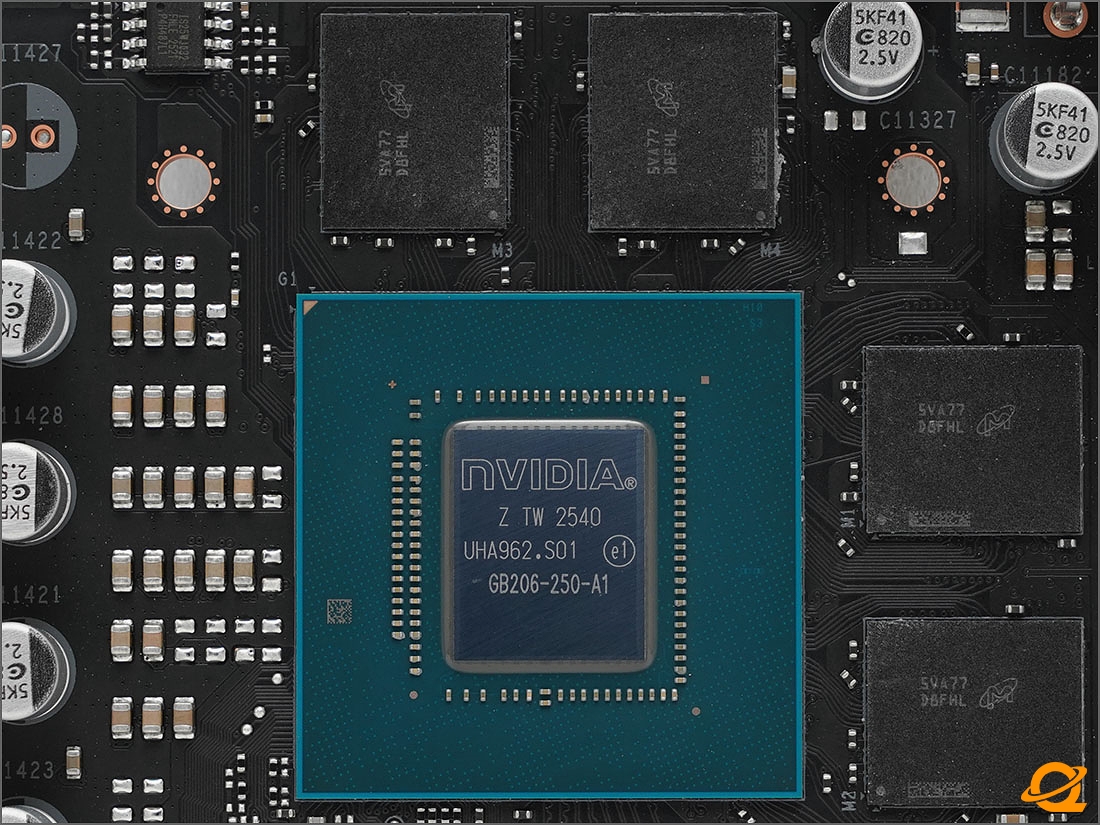
💡RTX 50 gains Micron GDDR7—key for faster AI GPU supply chain
⚡ 30-Second TL;DR
What Changed
First RTX 50 with Micron GDDR7 memory
Why It Matters
Strengthens RTX 50 supply chain for AI accelerators, potentially speeding consumer GPU availability for training/inference. Boosts performance in memory-intensive AI tasks.
What To Do Next
Dissect RTX 5060 GDDR7 benchmarks for local LLM fine-tuning performance.
Key Points
- •First RTX 50 with Micron GDDR7 memory
- •Colorful RTX 5060 Black OC V2 teardown
- •NVIDIA secures Samsung, Hynix, Micron suppliers
- •Addresses global memory market turbulence
🧠 Deep Insight
Background and context from public sources — not the original article. 5 sources cited.
🔑 Enhanced Key Takeaways
- •Micron's GDDR7 modules offer 36 Gbps speeds and 3GB density per IC, enabling higher VRAM capacities like up to 96 GB on wide-bus GPUs[2][4][5].
- •GDDR7 utilizes PAM3 signaling for 50% more data per clock cycle than prior NRZ, supporting future per-pin speeds up to 48 Gbps[3].
- •Current RTX 50 GPUs like RTX 5080 run GDDR7 at 30 Gbps or lower, with overclocks reaching 34 Gbps on Samsung/SK Hynix variants[2].
🛠️ Technical Deep Dive
- •Micron GDDR7 introductory speed: 32 Gbps per pin, with new 36 Gbps 3GB modules (24 Gb density); >50% power efficiency gain over GDDR6, including 70% standby reduction[1][2][4].
- •System bandwidth exceeds 1.5 TB/s (e.g., 12x 384-bit bus at 32 Gbps); up to 20% faster AI inference response times and 30% FPS uplift in ray tracing[1].
- •PAM3 signaling transmits 1.5 bits per symbol vs. PAM2/NRZ; each device delivers 128 GB/s at 32 Gbps, scaling to 192 GB/s at 48 Gbps[3].
🔮 Future ImplicationsAI analysis grounded in cited sources
⏳ Timeline
📎 Sources (5)
Factual claims are grounded in the sources below. Forward-looking analysis is AI-generated interpretation.
- assets.micron.com — Gddr7 Product Brief
- Tom's Hardware — Micron Joins the 3gb Gddr7 Party Introduces 36 Gbps Modules for Gpus Lags Behind Speeds of Samsung and Sk Hynix
- rambus.com — All You Need to Know About Gddr7
- techradar.com — Modern Games Are Pushing GPU Architectures Harder Than Ever Micron Reveals Faster New Video Ram That Could Power Nvidia Rtx 6000 Gpus
- pcgamer.com — The Company That Stopped Making Memory for Gamers Just Explained How Important Memory Is for Gamers Yeah Really
Weekly AI Recap
Read this week's curated digest of top AI events →
👉Related Updates


AI-curated news aggregator. All content rights belong to original publishers.
Original source: cnBeta (Full RSS) ↗
This is a summary, not the original. Read the source, or get the weekly briefing.
Weekly AI briefing
One email a week. Unsubscribe anytime.