First Manned Solid-State Battery Electric Aircraft Completes Flight
💡Solid-state battery breakthroughs are critical for the future of high-density energy storage in robotics and AI hardware
⚡ 30-Second TL;DR
What Changed
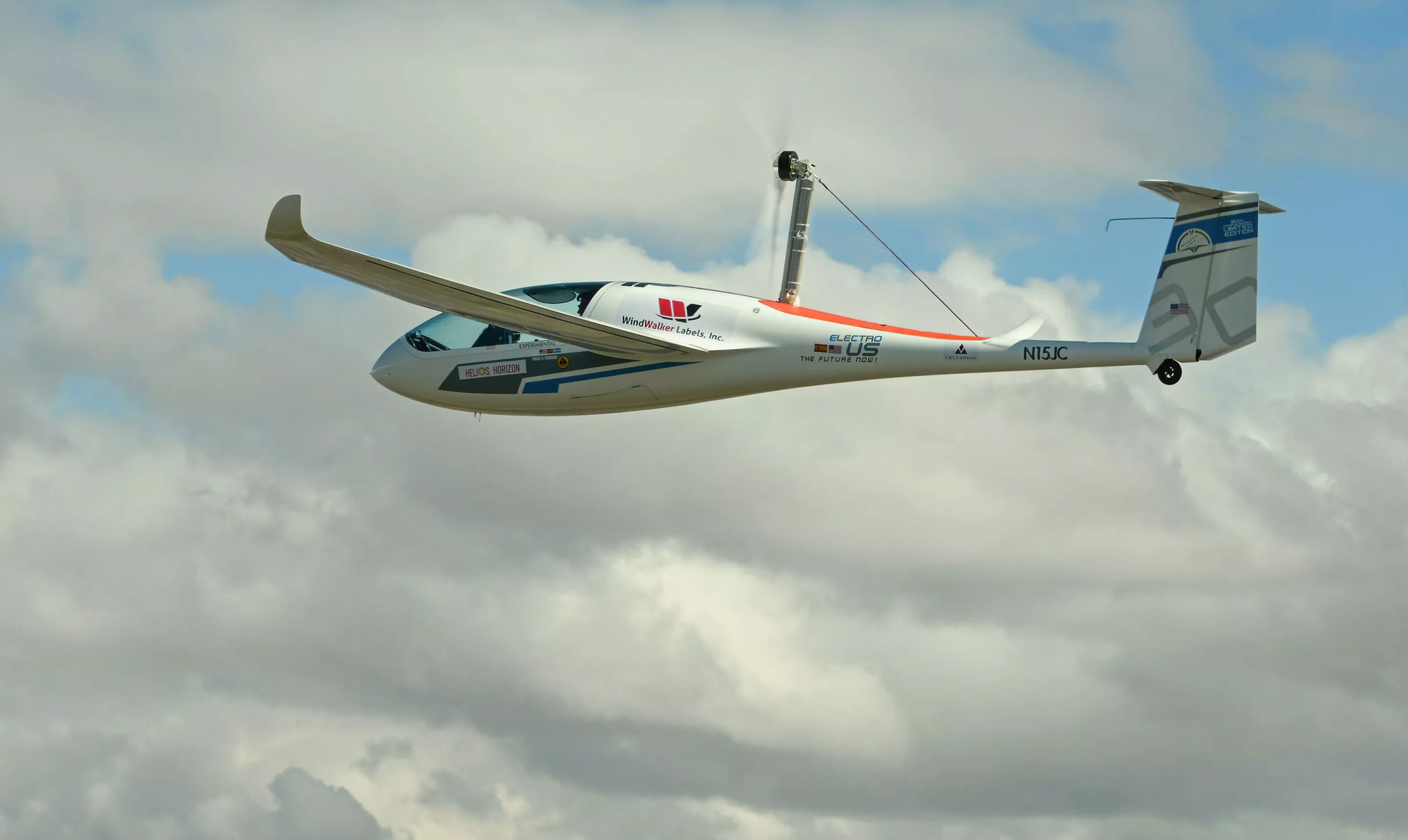
Helios Horizon is the first manned fixed-wing aircraft powered by solid-state batteries.
Why It Matters
Solid-state batteries offer higher energy density and safety, which are critical for the electrification of aviation and long-term sustainable transport.
What To Do Next
Monitor solid-state battery energy density improvements for potential integration into high-performance edge computing or robotics hardware.
Key Points
- •Helios Horizon is the first manned fixed-wing aircraft powered by solid-state batteries.
- •The maiden flight took place at Zephyrhills Municipal Airport in Florida.
- •The test focused on weight and balance validation for future electric aviation applications.
🧠 Deep Insight
Background and context from public sources — not the original article. 9 sources cited.
🔑 Enhanced Key Takeaways
- •The Helios Horizon aircraft is a modified Pipistrel Taurus motor glider, extensively redesigned by founder Miguel Iturmendi, featuring proprietary battery management, power delivery, propulsion, and thermodynamic control systems.
- •The solid-state batteries provide an energy density of 410 Wh/kg, a 60-80% increase over the previous lithium-ion batteries (260 Wh/kg) used in the aircraft, and are projected to improve by another 40% within two years.
- •The aircraft incorporates in-flight recharging capabilities through wing-mounted solar panels and a regenerative system that utilizes the propeller as a wind turbine during descents, significantly extending its operational range.
- •Beyond validating weight and balance, the project aims to demonstrate the feasibility of stratospheric electric flight, targeting altitudes over 40,000 feet, building on its previous record of 24,000 feet.
- •Solid-state battery technology enhances safety by replacing flammable liquid electrolytes with solid materials, thereby reducing fire risk and improving resistance to damage, overheating, and thermal runaway.
📊 Competitor Analysis▸ Show
| Feature/Company | Helios Horizon (Solid-State) | Amprius Technologies (Si-anode Li-ion) | MagniX (Li-ion) | EHang (Solid-State eVTOL) | CATL ("Condensed Battery") |
|---|---|---|---|---|---|
| Energy Density (Wh/kg) | 410 | 450 | 400 | 480 (uncrewed eVTOL) | ~500 (aeronautical testing) |
| Aircraft Type | Manned Fixed-Wing Electric (Demonstrator) | (Battery supplier) | (Battery supplier) | Uncrewed eVTOL | (Battery supplier) |
| Status | First Manned Flight (June 2026) | Commercial cells available | Commercial cells available | Uncrewed flight (Nov 2024) | Aeronautical testing underway |
🛠️ Technical Deep Dive
- Aircraft Base: Modified Pipistrel Taurus motor glider.
- Founder/Chief Test Pilot: Miguel Iturmendi.
- Battery Technology: Solid-state batteries, replacing liquid electrolytes with solid materials for enhanced safety and energy density.
- Energy Density: New solid-state batteries achieve 410 Wh/kg, a significant increase from the previous 260 Wh/kg lithium-ion system.
- Charging Capabilities: Capable of fast-charging from almost empty to 80% in under 15 minutes and can be charged from nearly any AC electrical source without specialized infrastructure.
- In-Flight Energy Recovery: Features wing-mounted solar panels and a regenerative system that allows the propeller to windmill during descents, feeding energy back into the battery system.
- Aircraft Modifications: Includes wing extensions, solar panels, and proprietary systems for power delivery, battery management, propulsion, and thermodynamic control.
- Battery Sourcing: Helios Horizon assembled its own battery packs using solid-state cells sourced from various resellers, with specific suppliers and cell chemistry undisclosed due to non-disclosure agreements.
🔮 Future ImplicationsAI analysis grounded in cited sources
⏳ Timeline
📎 Sources (9)
Factual claims are grounded in the sources below. Forward-looking analysis is AI-generated interpretation.
Weekly AI Recap
Read this week's curated digest of top AI events →
👉Related Updates
AI-curated news aggregator. All content rights belong to original publishers.
Original source: cnBeta (Full RSS) ↗
This is a summary, not the original. Read the source, or get the weekly briefing.
The weekly digest
One email a week. Unsubscribe anytime.