Firmware update bricks Hue Bridge Pro devices
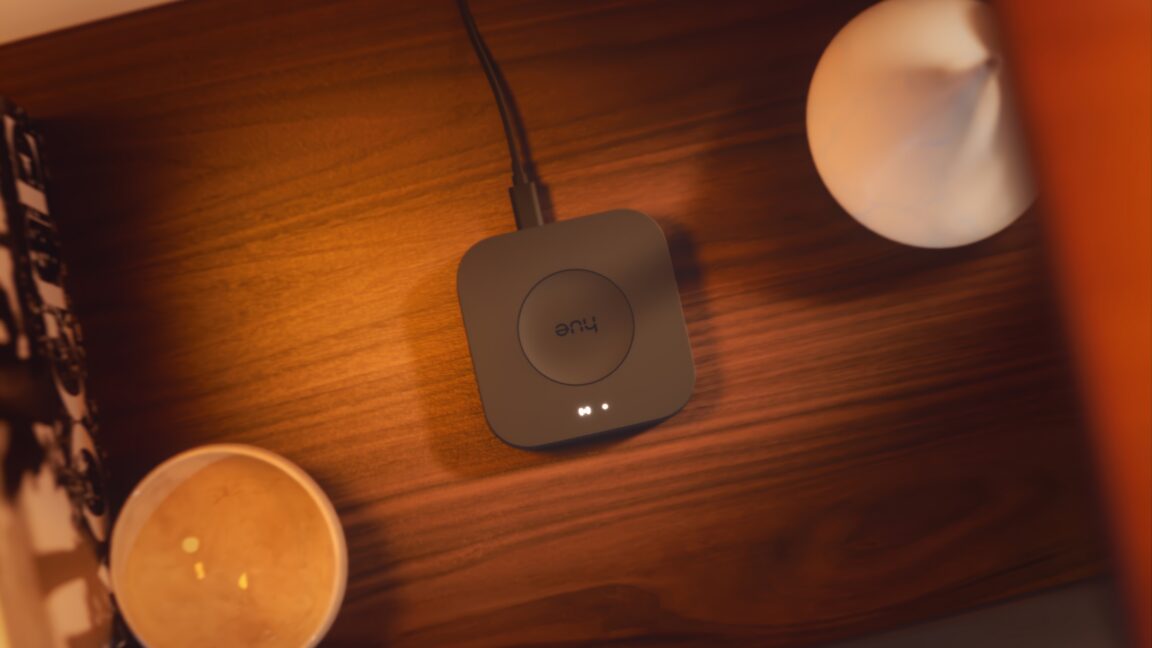
💡A cautionary tale for IoT developers on the critical importance of firmware update safety and rollback protocols.
⚡ 30-Second TL;DR
What Changed
Firmware update caused widespread device failure
Why It Matters
This incident highlights the risks of automated IoT firmware updates and the importance of robust rollback mechanisms.
What To Do Next
Implement canary deployments and automated rollback testing for your IoT firmware update pipelines.
Key Points
- •Firmware update caused widespread device failure
- •Philips is providing free replacements to affected users
- •Users face significant downtime and manual reconfiguration
🧠 Deep Insight
AI-generated analysis for this event — not the original article.
🔑 Enhanced Key Takeaways
- •The firmware update identified as version 1.62.1934082010 is specifically responsible for triggering a boot loop in the Hue Bridge Pro hardware.
- •Philips Hue support has confirmed that the failure is due to a corrupted partition in the device's flash memory, preventing the Zigbee radio from initializing correctly.
- •Affected users are required to provide their device's MAC address and proof of purchase to the Philips Hue support portal to qualify for the expedited replacement program.
- •The issue appears to be limited to the 'Pro' variant of the bridge, while standard Hue Bridge v2 units remain unaffected by the current firmware release.
- •Philips has temporarily suspended all automatic over-the-air (OTA) updates for the Hue Bridge Pro while engineers work on a patch to prevent the bricking issue in future deployments.
📊 Competitor Analysis▸ Show
| Feature | Philips Hue Bridge Pro | Lutron Smart Bridge Pro | Samsung SmartThings Hub |
|---|---|---|---|
| Primary Protocol | Zigbee / Matter | Clear Connect | Zigbee / Z-Wave / Matter |
| Local Control | High | High | Moderate |
| Pricing | ~$59.99 | ~$150.00 | ~$129.99 |
| Reliability | High (Historical) | Very High | Moderate |
🛠️ Technical Deep Dive
- The Hue Bridge Pro utilizes an ARM Cortex-A7 processor running a customized embedded Linux distribution.
- The bricking event is caused by a failure in the U-Boot bootloader sequence when attempting to mount the secondary root filesystem.
- The device uses an encrypted NAND flash memory architecture, which prevents users from performing a manual recovery via JTAG or serial console without proprietary decryption keys.
- Zigbee communication is handled by a separate Silicon Labs EFR32 series SoC, which remains unresponsive because the main application processor fails to send the initialization handshake.
🔮 Future ImplicationsAI analysis grounded in cited sources
⏳ Timeline
Weekly AI Recap
Read this week's curated digest of top AI events →
👉Related Updates
AI-curated news aggregator. All content rights belong to original publishers.
Original source: Ars Technica ↗
This is a summary, not the original. Read the source, or get the weekly briefing.
The weekly digest
One email a week. Unsubscribe anytime.