Finding Direction Over Anxiety in the AI Era
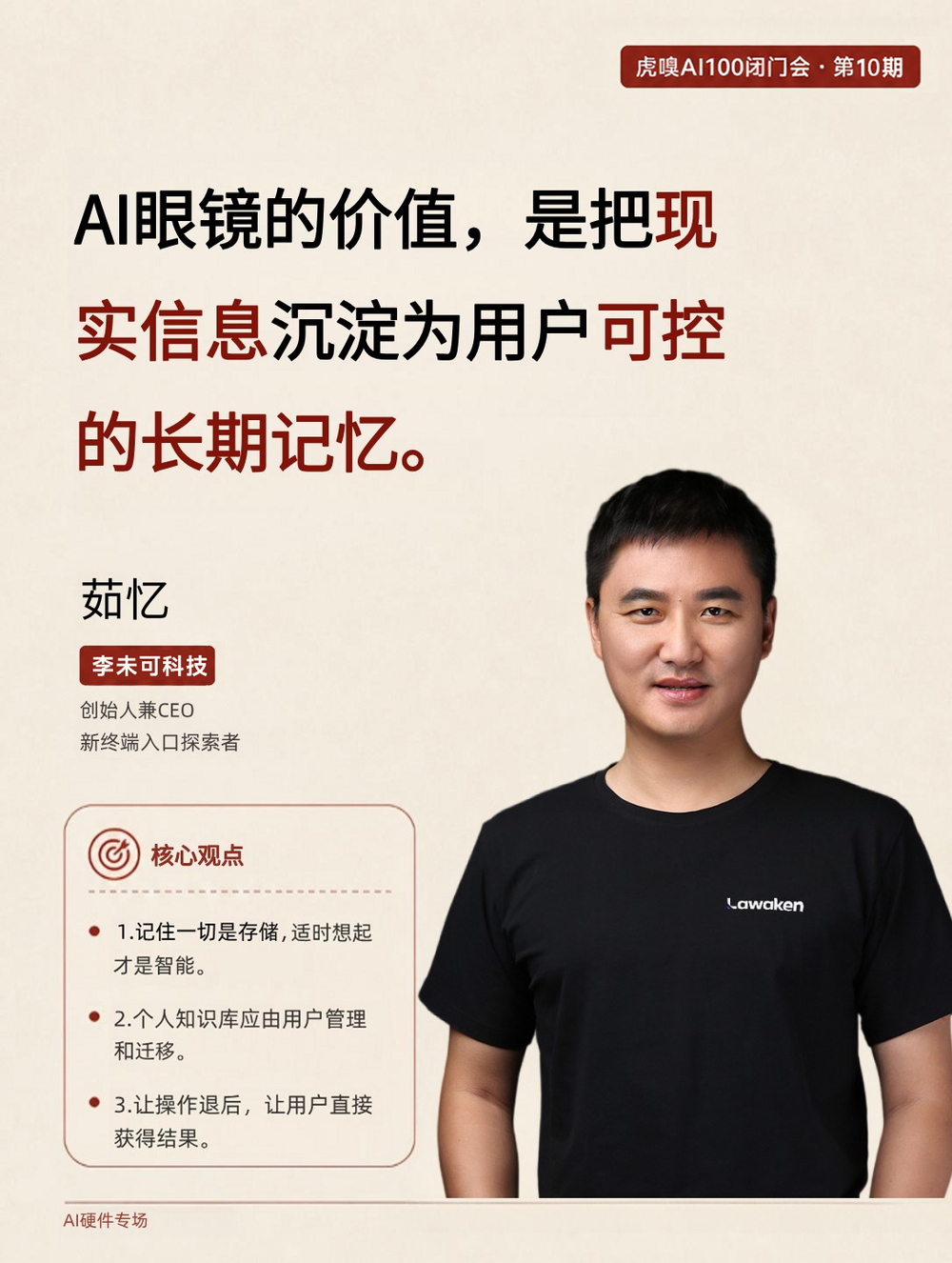
💡Stop the cycle of AI anxiety. Learn how to prioritize core professional skills over chasing every new model release.
⚡ 30-Second TL;DR
What Changed
AI should be viewed as a tool to amplify human capability rather than a replacement for human judgment.
Why It Matters
Shifting focus from tool-anxiety to strategic skill development helps practitioners build more resilient and sustainable careers in a rapidly evolving tech landscape.
What To Do Next
Audit your current workflow to identify which tasks are purely execution-based and delegate them to AI, while dedicating more time to defining project goals and system architecture.
Key Points
- •AI should be viewed as a tool to amplify human capability rather than a replacement for human judgment.
- •The most critical skills in the AI era are problem definition, goal setting, and continuous learning.
- •Anxiety stems from chasing trends, whereas long-term value comes from maintaining a consistent professional 'main line'.
- •AI can automate execution, but it cannot replace the human responsibility of final decision-making.
🧠 Deep Insight
AI-generated analysis for this event — not the original article.
🔑 Enhanced Key Takeaways
- •The 'AI anxiety' phenomenon is increasingly linked to the 'Skills Half-Life' concept, where the utility of specific technical proficiencies now declines faster than in any previous industrial revolution.
- •Industry data from 2025-2026 indicates that organizations prioritizing 'AI-Augmented Human-in-the-Loop' (HITL) workflows report 30% higher project success rates compared to those pursuing full automation.
- •Cognitive load management has emerged as a primary professional metric, as AI tools shift the burden from manual execution to complex system orchestration and prompt engineering oversight.
- •Recent labor market analysis suggests a 'bifurcation of value,' where entry-level execution tasks are being commoditized, while 'domain-expert synthesis'—the ability to bridge AI outputs with specific industry regulations—is commanding a premium.
- •The concept of 'AI-Resilient Careers' is shifting focus toward 'T-shaped' skill sets, emphasizing deep domain expertise (the vertical bar) combined with broad AI-literacy (the horizontal bar) to maintain professional relevance.
🔮 Future ImplicationsAI analysis grounded in cited sources
Weekly AI Recap
Read this week's curated digest of top AI events →
👉Related Updates



AI-curated news aggregator. All content rights belong to original publishers.
Original source: 虎嗅 ↗
This is a summary, not the original. Read the source, or get the weekly briefing.
The weekly digest
One email a week. Unsubscribe anytime.