FDE Boom Meets the Reality of Late Payments
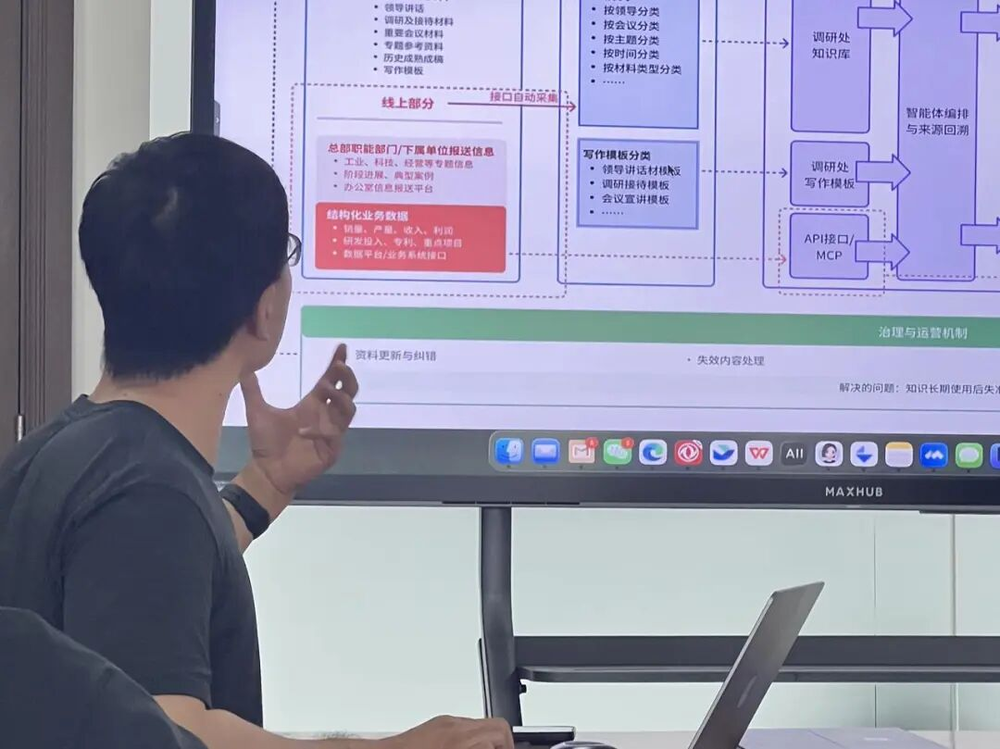
FDE demand is surging, but delayed acceptance and unpaid tail payments can erase the profit from AI delivery.
30-Second TL;DR
What Changed
FDEs typically handle the full lifecycle from business discovery and solution design to POC, implementation, optimization, and acceptance.
Why It Matters
FDE offers a practical route for enterprises to adopt AI when they lack internal AI engineering capacity, but its economics resemble consulting and systems integration more than scalable software. Providers will need tighter scope control, milestone-based acceptance, reusable industry playbooks, and payment protections to avoid turning growth into unprofitable services.
What To Do Next
For your next enterprise AI project, define paid discovery, POC, deployment, and acceptance milestones with explicit change limits and payment triggers before writing production code.
Key Points
- •FDEs typically handle the full lifecycle from business discovery and solution design to POC, implementation, optimization, and acceptance.
- •Domestic FDE work often resembles AI consulting combined with software delivery, especially for small and traditional enterprises.
- •Projects can remain in POC or acceptance for extended periods, forcing FDEs to absorb staffing, travel, and on-site operating costs.
- •Industry specialization is becoming a competitive advantage because repeatable methods and domain knowledge are difficult to build across unrelated sectors.
- •The role is attracting both consultants learning technology and engineers learning consulting, with reported annual salaries of 400,000–800,000 yuan.
Deep Insight
AI-generated analysis for this event — not the original article.
Enhanced Key Takeaways
- •The FDE model originated from Silicon Valley firms like Palantir, where engineers were embedded directly into client environments to solve high-stakes data integration problems, a stark contrast to the current domestic model which often devolves into general-purpose IT outsourcing.
- •Economic pressure in the Chinese enterprise software market has led to 'Project-Based Debt,' where vendors are increasingly forced to accept 'pay-on-delivery' terms that extend cash conversion cycles beyond 18 months.
- •There is a growing trend of 'Productized FDE' services, where firms attempt to standardize the deployment stack using low-code/no-code internal tools to reduce the reliance on expensive, highly-skilled human labor.
- •The 'Consultant-Engineer' hybrid role is facing a talent retention crisis, as the high-stress, on-site nature of the work leads to burnout rates significantly higher than traditional software development roles.
- •Regulatory shifts regarding data privacy and cross-border data flows have increased the complexity of FDE work, requiring engineers to possess legal and compliance knowledge in addition to technical and consulting skills.
Technical Deep Dive
- FDE workflows typically utilize a 'Data-as-a-Service' (DaaS) architecture, requiring engineers to build custom ETL pipelines for legacy on-premise databases that lack modern APIs.
- Implementation often involves deploying containerized microservices (Kubernetes/Docker) within air-gapped client environments, necessitating manual configuration of CI/CD pipelines.
- Model optimization in the field frequently relies on RAG (Retrieval-Augmented Generation) frameworks, where FDEs must fine-tune vector database indexing strategies to match client-specific domain terminology.
- Security protocols often mandate the use of hardware security modules (HSMs) and strict identity access management (IAM) integration, which are frequently the primary bottlenecks during the acceptance phase.
Future ImplicationsAI analysis grounded in cited sources
Timeline
- 2023-05Rise of the 'AI-Native' enterprise service model in China, formalizing the FDE role.
- 2024-09Initial industry reports highlight the 'POC Trap,' where projects fail to move to production.
- 2025-11Widespread adoption of 'Productized FDE' strategies to mitigate rising labor costs.
Weekly AI Recap
Read this week's curated digest of top AI events →
AI-curated news aggregator. All content rights belong to original publishers.
Original source: 虎嗅 ↗
This is a summary, not the original. Read the source, or get the weekly briefing.
The weekly digest
One email a week. Unsubscribe anytime.