FCC plan could end anonymous burner phones
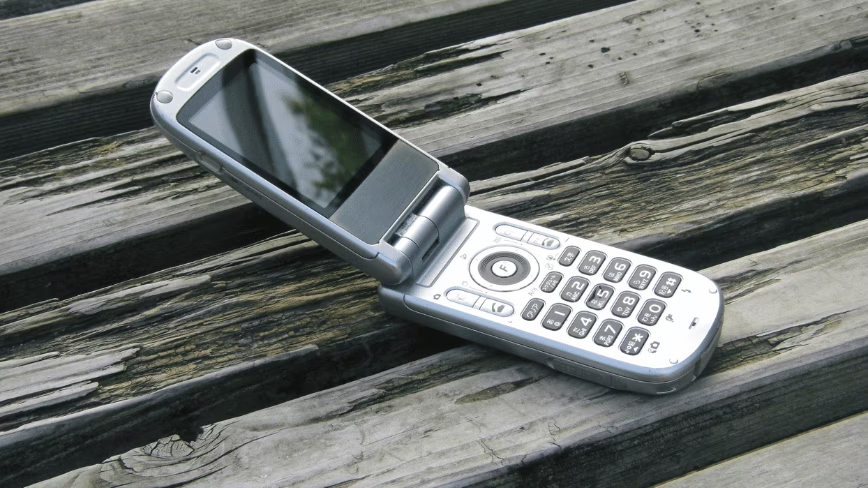
💡New US regulations could kill anonymous phone numbers, impacting SMS-based user verification and privacy tools.
⚡ 30-Second TL;DR
What Changed
FCC proposal requires identity verification for all new phone purchases.
Why It Matters
If implemented, this could impact developers building services that rely on SMS verification or anonymous user onboarding, as the availability of 'clean' burner numbers may vanish.
What To Do Next
If your service relies on SMS verification, diversify your authentication methods to include email or hardware-based tokens.
Key Points
- •FCC proposal requires identity verification for all new phone purchases.
- •Privacy groups warn this will eliminate anonymous communication channels.
- •The policy aims to reduce telecommunications fraud and spam.
🧠 Deep Insight
AI-generated analysis for this event.
🔑 Enhanced Key Takeaways
- •The FCC proposal specifically targets 'Know Your Customer' (KYC) protocols similar to those already implemented in countries like China, Singapore, and Germany.
- •Law enforcement agencies have lobbied for this change, citing the difficulty of tracing criminal activity linked to prepaid SIM cards used in human trafficking and drug operations.
- •The mandate would require retailers to integrate with government-verified identity databases, potentially creating a new centralized target for cybersecurity breaches.
- •Privacy advocates are preparing legal challenges based on First Amendment arguments, claiming the right to anonymous speech is protected under existing Supreme Court precedents.
- •The proposal includes a 'hardship exemption' clause for low-income individuals who may lack traditional government-issued identification, though critics argue the verification process remains overly burdensome.
🛠️ Technical Deep Dive
- Implementation involves API integration between Point-of-Sale (POS) systems and the National Identity Verification Service (NIVS).
- Authentication protocols utilize multi-factor verification, including biometric matching or OATH-compliant digital identity tokens.
- Data transmission requires end-to-end encryption (AES-256) to comply with existing telecommunications privacy laws during the verification handshake.
- The system architecture relies on a decentralized ledger for audit trails to ensure compliance without storing PII (Personally Identifiable Information) directly on carrier servers.
🔮 Future ImplicationsAI analysis grounded in cited sources
⏳ Timeline
Weekly AI Recap
Read this week's curated digest of top AI events →
👉Related Updates
Same topic
Explore #privacy
Same product
More on fcc-regulations
Same source
Latest from The Next Web (TNW)

SSE cracks down on abnormal trading activities
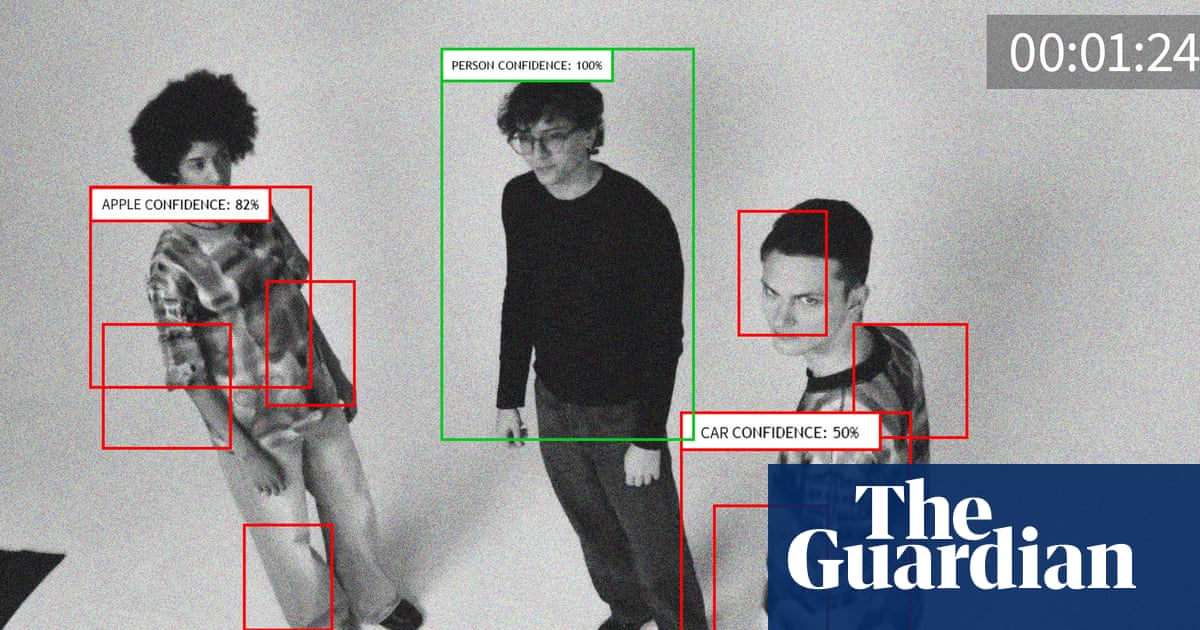
Adversarial clothing: fashion designed to confuse facial recognition

Binance evolution: From crypto exchange to financial super app

Xi Jinping calls for global AI cooperation
AI-curated news aggregator. All content rights belong to original publishers.
Original source: The Next Web (TNW) ↗