eVTOL Commercialization: Beyond Flying to Operational Systems
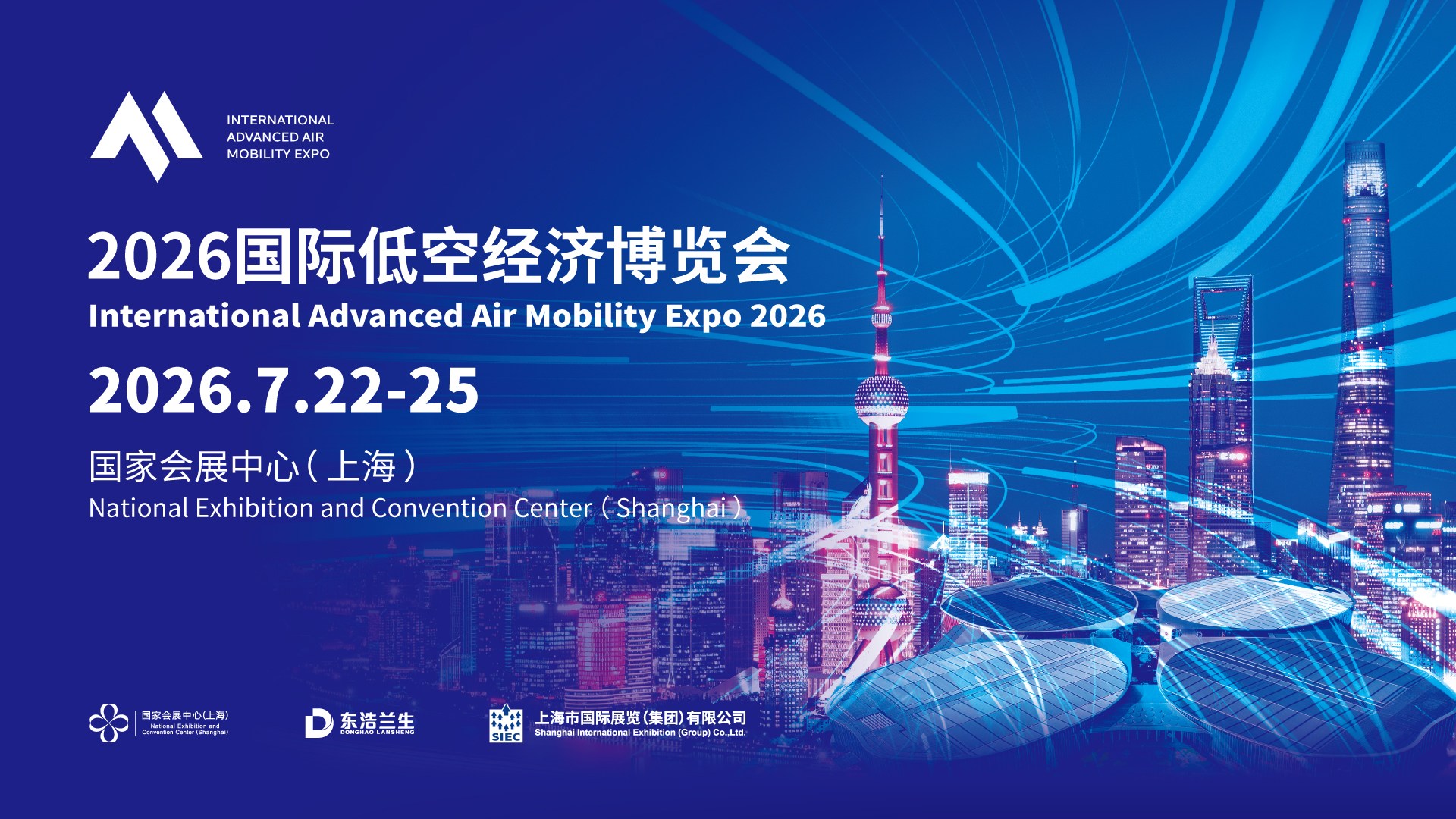
💡Understand the shift from hardware prototypes to the complex software-defined operational systems of the eVTOL era.
⚡ 30-Second TL;DR
What Changed
Industry focus has moved from prototype testing to airworthiness certification and operational compliance.
Why It Matters
The transition to operational systems will create new demand for AI-driven traffic management, autonomous flight coordination, and predictive maintenance software.
What To Do Next
Evaluate opportunities in developing low-altitude traffic management (UTM) software or autonomous flight safety monitoring tools.
Key Points
- •Industry focus has moved from prototype testing to airworthiness certification and operational compliance.
- •Commercial viability requires solving for stable demand, operational costs, and clear safety liability.
- •Infrastructure needs include low-altitude flight service platforms, communication, navigation, and surveillance networks.
- •Public trust and regulatory integration are critical for scaling urban air mobility.
🧠 Deep Insight
AI-generated analysis for this event — not the original article.
🔑 Enhanced Key Takeaways
- •The integration of 5G-Advanced and satellite-to-ground communication networks is becoming the standard requirement for Beyond Visual Line of Sight (BVLOS) operations in dense urban environments.
- •Battery energy density requirements for commercial viability have shifted focus toward solid-state battery integration to achieve the necessary cycle life and safety profiles for high-frequency urban air mobility (UAM) operations.
- •Insurance models for eVTOL operators are transitioning from experimental risk coverage to standardized actuarial frameworks based on real-time flight data telemetry and predictive maintenance logs.
- •Vertiport design standards are increasingly incorporating automated battery swapping and high-speed charging stations to minimize turnaround times to under 15 minutes, a critical threshold for economic sustainability.
- •The emergence of 'Low-Altitude Economy' pilot zones in China has created a regulatory sandbox model where municipal governments provide direct subsidies for infrastructure development in exchange for local job creation and technology transfer.
🛠️ Technical Deep Dive
- Propulsion Systems: Transitioning from distributed electric propulsion (DEP) with simple fixed-pitch rotors to complex variable-pitch systems to optimize noise profiles and hover efficiency.
- Flight Control: Implementation of triple-redundant fly-by-wire systems integrated with AI-driven detect-and-avoid (DAA) sensors capable of identifying obstacles in low-visibility conditions.
- Energy Management: Adoption of high-voltage (800V+) architectures to reduce thermal load during rapid charging cycles and improve power-to-weight ratios.
- Airframe Materials: Increased utilization of thermoplastic composites to improve recyclability and impact resistance compared to traditional thermoset carbon fiber structures.
🔮 Future ImplicationsAI analysis grounded in cited sources
⏳ Timeline
Weekly AI Recap
Read this week's curated digest of top AI events →
👉Related Updates
AI-curated news aggregator. All content rights belong to original publishers.
Original source: 36氪 ↗
This is a summary, not the original. Read the source, or get the weekly briefing.
The weekly digest
One email a week. Unsubscribe anytime.