EPA Proposal Could Limit Data Center Pollution Input
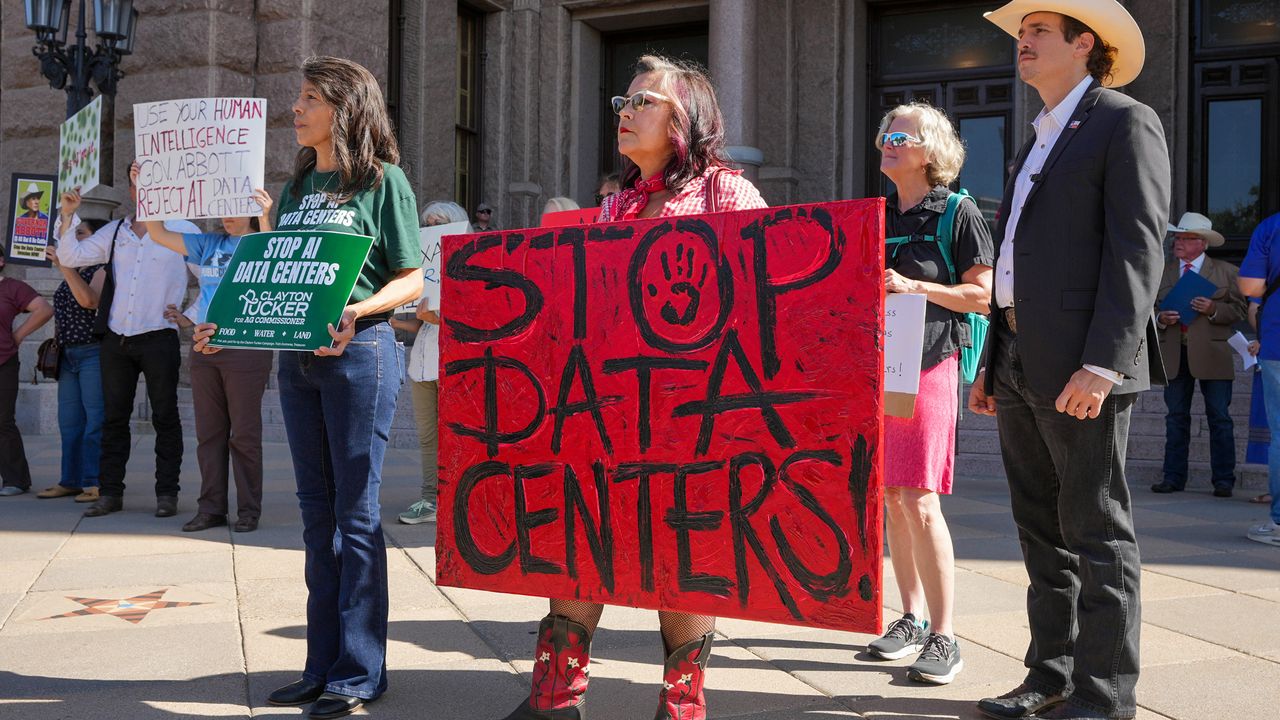
💡A proposed EPA change could reshape how quickly AI data centers secure pollution permits.
⚡ 30-Second TL;DR
What Changed
The proposed EPA regulatory change would remove public-input requirements for some air pollution permits.
Why It Matters
Lower barriers for data center permitting could accelerate AI infrastructure expansion, but may also increase regulatory, reputational, and community-relations risks. Operators could face stronger opposition later if projects proceed without early public engagement.
What To Do Next
Add local air-permit status, emissions requirements, and public-comment timelines to your next AI data center site-selection checklist.
Key Points
- •The proposed EPA regulatory change would remove public-input requirements for some air pollution permits.
- •AI data centers are a major area of concern because of their energy use and emissions.
- •Reduced transparency could limit communities' ability to challenge or influence new data center projects.
🧠 Deep Insight
Background and context from public sources — not the original article. 11 sources cited.
🔑 Enhanced Key Takeaways
- •The proposal specifically targets the removal of a 50-year-old federal mandate requiring a 30-day public comment window for 'minor source' air pollution permits.
- •Data centers often circumvent 'major source' classification by segmenting permit applications across individual backup generators or turbines, effectively categorizing them as 'minor sources'.
- •The formal public comment period for this specific EPA regulatory proposal concluded on August 21, 2026.
- •A coalition of nearly 200 environmental and community organizations has formally petitioned the EPA to withdraw the proposal, citing risks to public health transparency.
- •The proposal creates a regulatory 'patchwork' where states with strong ties to the tech industry may opt to eliminate public notice requirements entirely, while others may choose to retain them.
🔮 Future ImplicationsAI analysis grounded in cited sources
⏳ Timeline
📎 Sources (11)
Factual claims are grounded in the sources below. Forward-looking analysis is AI-generated interpretation.
Weekly AI Recap
Read this week's curated digest of top AI events →
👉Related Updates
AI-curated news aggregator. All content rights belong to original publishers.
Original source: Tom's Hardware ↗
This is a summary, not the original. Read the source, or get the weekly briefing.
Weekly AI briefing
One email a week. Unsubscribe anytime.