Environmental Humidity Regulates Insect Circadian Rhythms
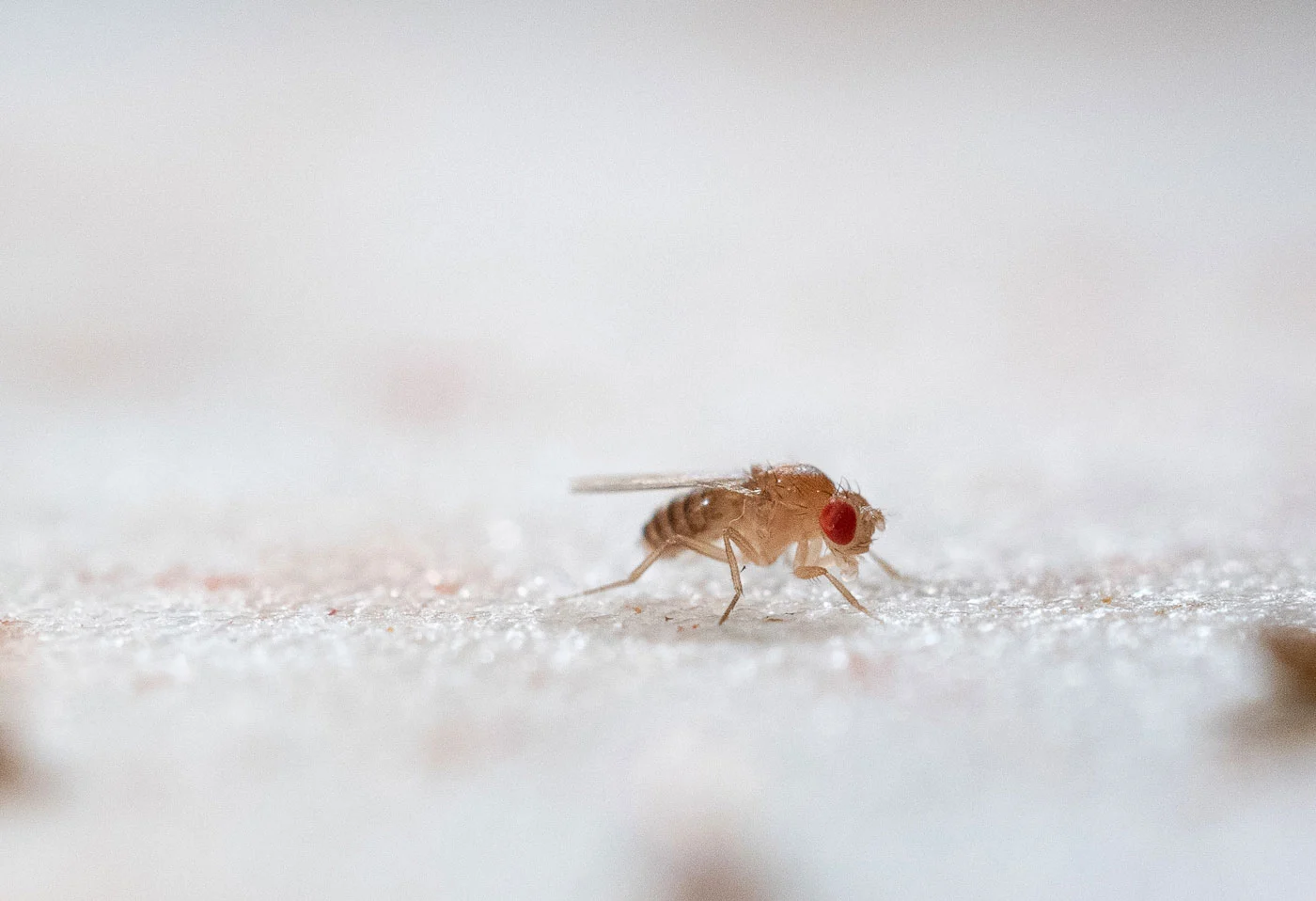
💡Learn how environmental variables like humidity impact biological rhythms to improve predictive AI in agriculture.
⚡ 30-Second TL;DR
What Changed
Humidity identified as a regulator for insect circadian clocks
Why It Matters
Enhances understanding of insect behavior, which is critical for developing AI-driven pest control and agricultural monitoring systems.
What To Do Next
Integrate humidity-based circadian variables into your agricultural AI models to improve the accuracy of pest activity predictions.
Key Points
- •Humidity identified as a regulator for insect circadian clocks
- •Study covers species including fruit flies, mosquitoes, and kissing bugs
- •Findings published in the journal 'Biological Rhythm Research'
🧠 Deep Insight
AI-generated analysis for this event — not the original article.
🔑 Enhanced Key Takeaways
- •The research identifies the humidity-sensing neurons in the antennae of insects as the primary biological interface for this circadian regulation.
- •The study demonstrates that insects utilize humidity as a 'zeitgeber' (time-giver), a non-light environmental cue that helps synchronize internal clocks when light cues are ambiguous.
- •Findings suggest that humidity-driven rhythmicity is an evolutionary adaptation to prevent desiccation, forcing insects to be active during periods of higher ambient moisture.
- •The research highlights that the molecular pathway for humidity sensing partially overlaps with the pathways used for temperature sensing, suggesting a multi-modal sensory integration system.
- •The study provides evidence that disrupting humidity cycles can lead to 'circadian misalignment' in insects, potentially reducing their reproductive success and survival rates.
🛠️ Technical Deep Dive
- The study utilized CRISPR-Cas9 gene editing to knock out specific humidity-sensing receptors (such as IR25a and IR93a) to observe the resulting disruption in circadian locomotor activity.
- Researchers employed automated video tracking systems to monitor insect movement patterns under controlled humidity oscillations (ranging from 20% to 80% relative humidity) while keeping light and temperature constant.
- Data analysis involved the use of periodogram analysis to quantify the strength and stability of the circadian rhythm (tau) in response to humidity cycles.
- The integration of humidity signals occurs in the central brain, specifically within the clock neurons that express the Period (PER) and Timeless (TIM) proteins.
🔮 Future ImplicationsAI analysis grounded in cited sources
⏳ Timeline
Weekly AI Recap
Read this week's curated digest of top AI events →
👉Related Updates
AI-curated news aggregator. All content rights belong to original publishers.
Original source: cnBeta (Full RSS) ↗
This is a summary, not the original. Read the source, or get the weekly briefing.
The weekly digest
One email a week. Unsubscribe anytime.