Embodied AI Enters Its Tesla Moment
💡Unitree’s volatility exposes the real AI bottleneck: electricity, grid capacity, and embodied deployment.
⚡ 30-Second TL;DR
What Changed
AI data centers are increasingly competing for grid connections and substation capacity, not just GPUs.
Why It Matters
AI founders should treat power availability, data-center interconnects, and energy costs as product-scaling constraints rather than back-office infrastructure issues. Robotics companies may benefit from the convergence of electric-vehicle supply chains and embodied intelligence, but valuation volatility will remain high before major deployment milestones.
What To Do Next
Run a capacity model for your next AI workload that includes GPU power draw, rack density, cooling, and expected grid-interconnection lead time before committing to deployment targets.
Key Points
- •AI data centers are increasingly competing for grid connections and substation capacity, not just GPUs.
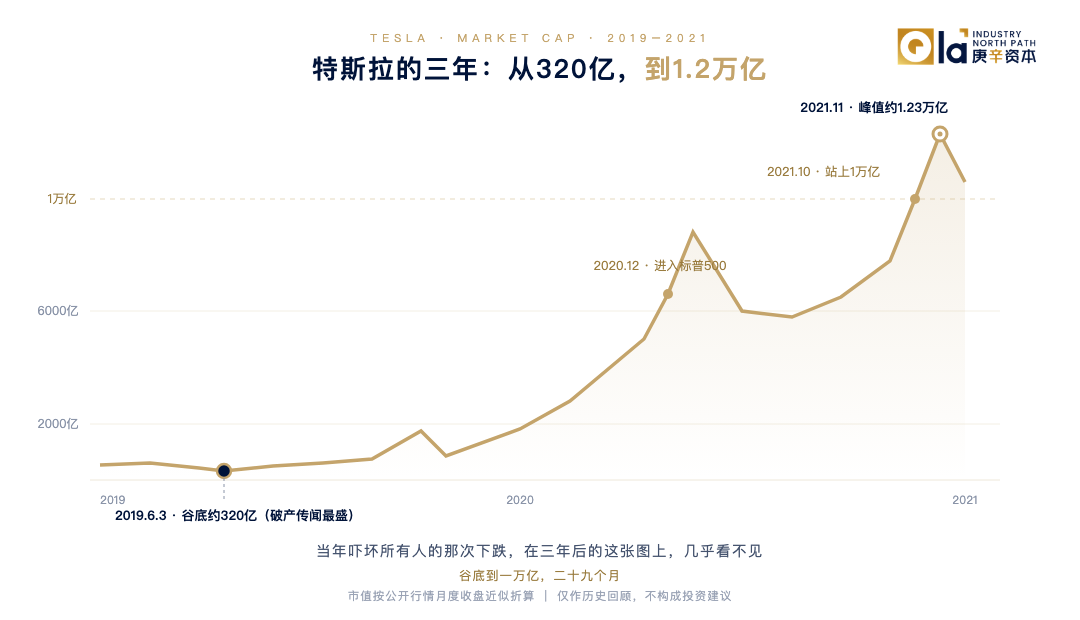
- •Embodied AI is compared with China’s 2016–2017 new-energy cycle, where commercialization milestones may trigger the next major re-rating.
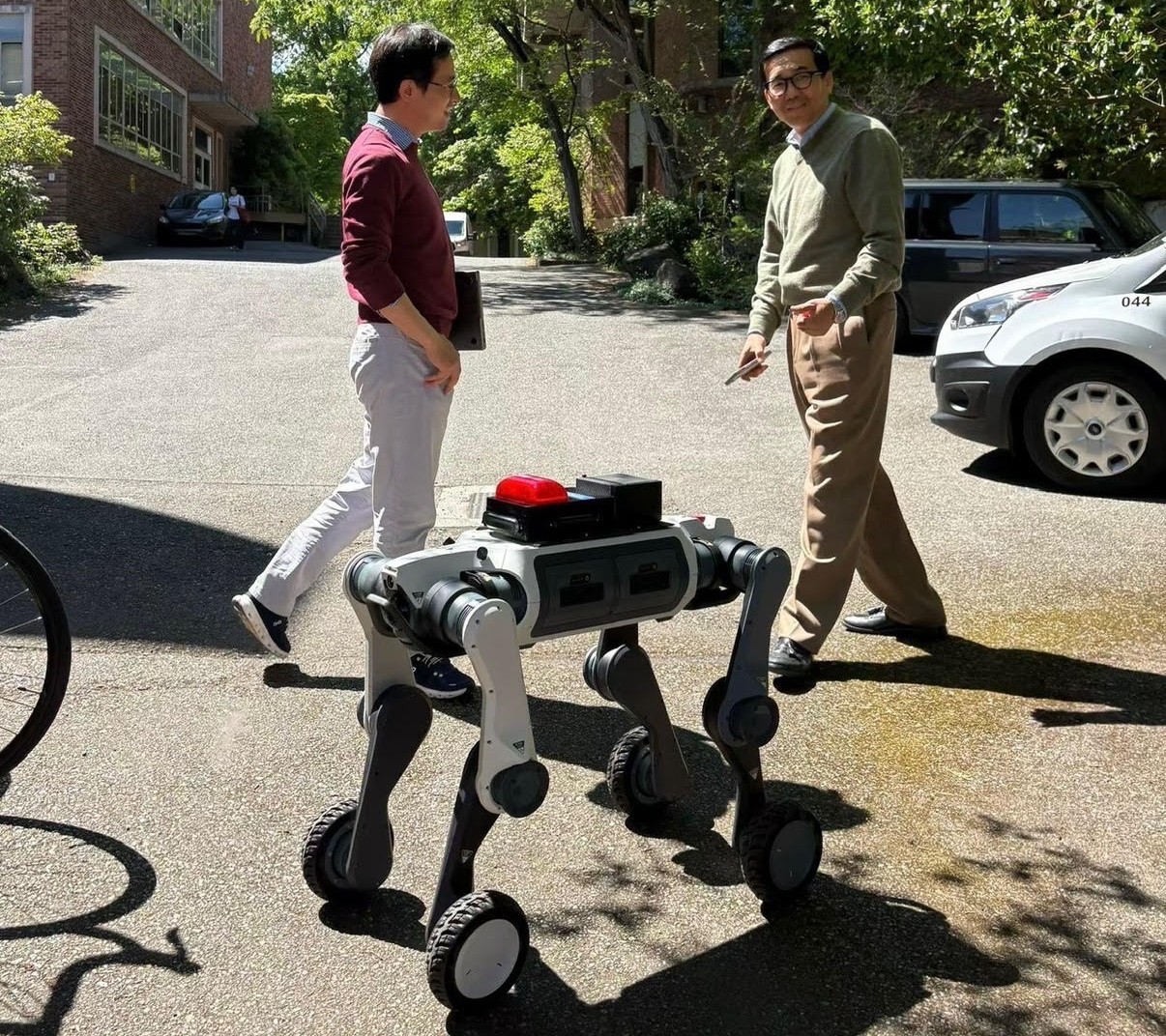
- •Robots, drones, autonomous vehicles, and electric cars share an underlying energy stack of batteries, motors, and controllers.
- •The article argues that future competitive advantage will depend on converting electricity into useful intelligence and physical-world labor efficiently.
Weekly AI Recap
Read this week's curated digest of top AI events →
👉Related Updates



AI-curated news aggregator. All content rights belong to original publishers.
Original source: 虎嗅 ↗
This is a summary, not the original. Read the source, or get the weekly briefing.
Weekly AI briefing
One email a week. Unsubscribe anytime.