Elbit Systems' Tzayad identified 850,000 targets in recent conflicts
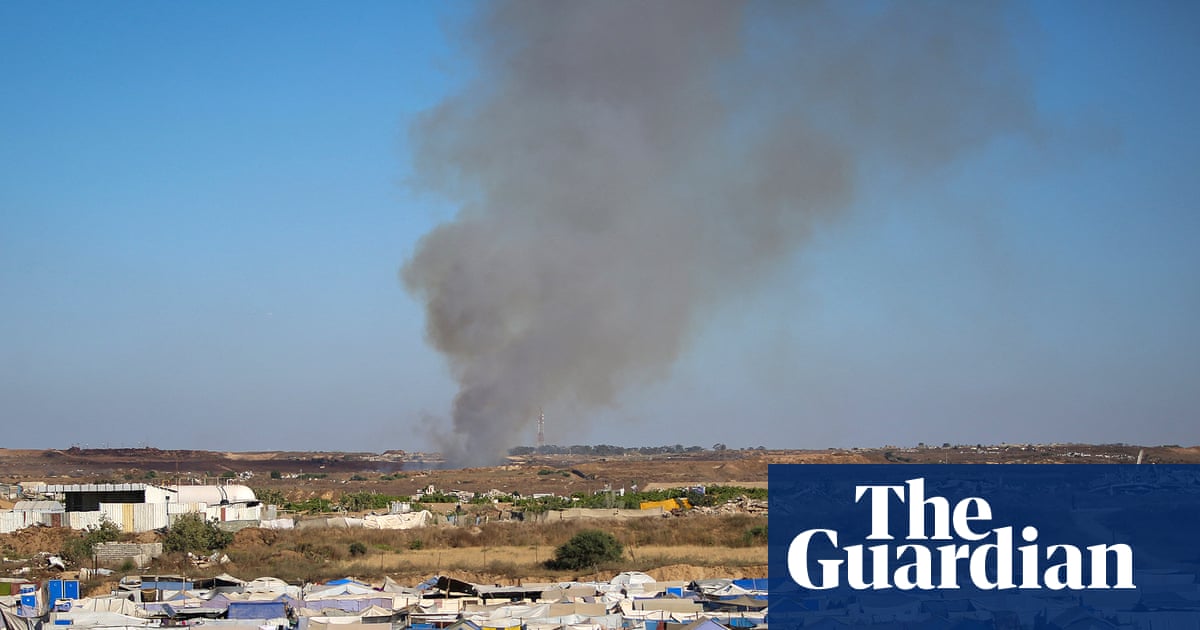
💡Understand the scale of AI integration in modern military target acquisition and its implications for autonomous systems
⚡ 30-Second TL;DR
What Changed
Tzayad system processed 850,000 targets across military theaters.
Why It Matters
This highlights the massive scale of AI-driven target acquisition in modern warfare, raising significant ethical and technical questions about automated decision-making in high-stakes environments.
What To Do Next
Analyze the implications of large-scale data fusion and automated target identification for the development of ethical AI safety frameworks.
Key Points
- •Tzayad system processed 850,000 targets across military theaters.
- •The platform enables real-time object detection and mapping of battlefield entities.
- •The system averaged approximately 1,000 potential targets identified per day.
🧠 Deep Insight
AI-generated analysis for this event — not the original article.
🔑 Enhanced Key Takeaways
- •The Tzayad system, also known as 'Digital Army Program' (DAP) or 'Torch', integrates data from diverse sensors including UAVs, ground radars, and intelligence feeds into a unified Common Operational Picture (COP).
- •Elbit Systems developed the platform to facilitate 'sensor-to-shooter' cycles, significantly reducing the time between target acquisition and engagement by automating data fusion.
- •The system utilizes advanced AI-driven analytics to filter and prioritize targets, aiming to reduce cognitive load on commanders in high-intensity combat environments.
- •Tzayad is a core component of the Israel Defense Forces' (IDF) 'Network-Centric Warfare' strategy, designed to achieve interoperability between air, sea, and land forces.
- •The platform incorporates secure, encrypted communication protocols to maintain operational security while sharing real-time battlefield data across decentralized units.
📊 Competitor Analysis▸ Show
| Feature | Elbit Systems (Tzayad) | Lockheed Martin (JADC2/ABMS) | BAE Systems (Nexus) |
|---|---|---|---|
| Primary Focus | Tactical C4I / Land-centric | Multi-Domain / Strategic | Electronic Warfare / ISR |
| Integration | High (IDF Ecosystem) | High (US/NATO Ecosystem) | Moderate (Platform-specific) |
| AI Maturity | Field-tested (High) | Developmental/Fielding | Specialized/Niche |
🛠️ Technical Deep Dive
- Architecture: Hierarchical network-centric design utilizing a distributed database to ensure data availability even during intermittent connectivity.
- Data Fusion: Employs multi-source intelligence (MSINT) fusion, aggregating inputs from electro-optical/infrared (EO/IR) sensors, synthetic aperture radar (SAR), and signals intelligence (SIGINT).
- Processing: Utilizes edge computing capabilities to perform real-time object recognition and classification at the tactical level before transmitting metadata to command centers.
- Interoperability: Supports standard military communication protocols (e.g., Link 16, VMF) to ensure compatibility with legacy and modern hardware platforms.
🔮 Future ImplicationsAI analysis grounded in cited sources
⏳ Timeline
Weekly AI Recap
Read this week's curated digest of top AI events →
👉Related Updates



AI-curated news aggregator. All content rights belong to original publishers.
Original source: The Guardian Technology ↗
This is a summary, not the original. Read the source, or get the weekly briefing.
Weekly AI briefing
One email a week. Unsubscribe anytime.