💰钛媒体•Freshcollected in 34m
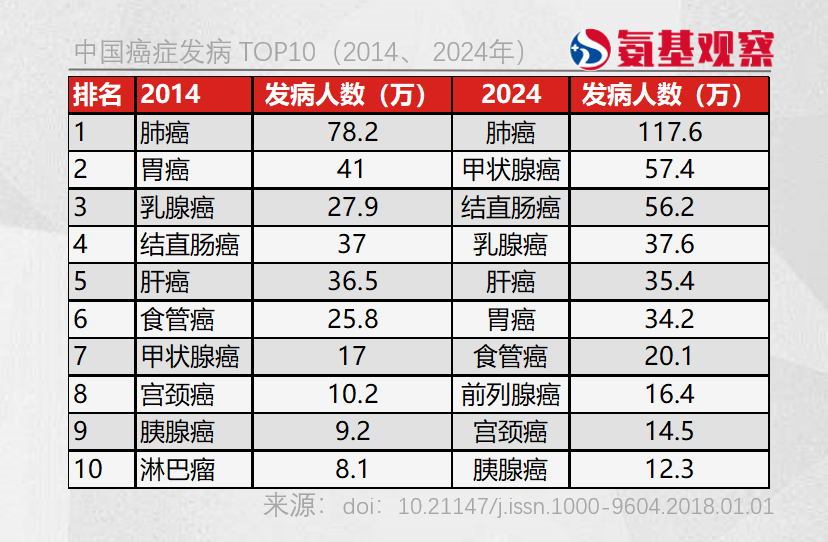
Dramatic shift in China's oncology landscape
💡High-growth healthcare sectors are increasingly adopting AI for drug discovery and diagnostic imaging.
⚡ 30-Second TL;DR
What Changed
Annual new cancer cases exceed 5 million
Why It Matters
The rising burden of disease creates a massive market for AI-driven drug discovery and precision medicine diagnostics.
What To Do Next
Explore partnerships with biotech firms using AI for early cancer detection and protein folding analysis.
Who should care:Developers & AI Engineers
Key Points
- •Annual new cancer cases exceed 5 million
- •Significant shift in disease incidence patterns
- •Urgent demand for medical innovation
🧠 Deep Insight
AI-generated analysis for this event.
🔑 Enhanced Key Takeaways
- •The rise in incidence is heavily attributed to an aging population, with individuals over 60 accounting for a disproportionate share of new diagnoses.
- •Lung, colorectal, and stomach cancers remain the most prevalent types, though there is a documented increase in breast and thyroid cancer cases among younger urban demographics.
- •The Chinese government's 'Healthy China 2030' initiative has accelerated the approval process for innovative oncology drugs, reducing the lag time between global and domestic market entry.
- •Domestic biopharmaceutical firms are increasingly pivoting from generic manufacturing to high-value R&D, specifically focusing on CAR-T cell therapies and bispecific antibodies.
- •Integration of AI-driven diagnostic tools in Tier-1 and Tier-2 hospitals is becoming a standard requirement to manage the high volume of screening data and improve early detection rates.
🔮 Future ImplicationsAI analysis grounded in cited sources
Domestic oncology drug market share will exceed 60% by 2028.
Aggressive government procurement policies and increased R&D investment are rapidly displacing imported high-cost therapies.
AI-assisted pathology will become mandatory for oncology centers in major cities.
The sheer volume of new cases necessitates automated diagnostic support to maintain clinical accuracy and throughput.
⏳ Timeline
2016-10
Release of 'Healthy China 2030' blueprint outlining long-term cancer prevention goals.
2020-06
Implementation of revised Drug Administration Law to expedite clinical trial approvals for oncology.
2023-03
Expansion of the National Reimbursement Drug List (NRDL) to include a record number of targeted cancer therapies.
2025-01
National Health Commission mandates standardized AI-integrated screening protocols for high-incidence cancers.
📰
Weekly AI Recap
Read this week's curated digest of top AI events →
👉Related Updates




AI-curated news aggregator. All content rights belong to original publishers.
Original source: 钛媒体 ↗