DRAM Shortage Traps $1 Billion in Apple Chips
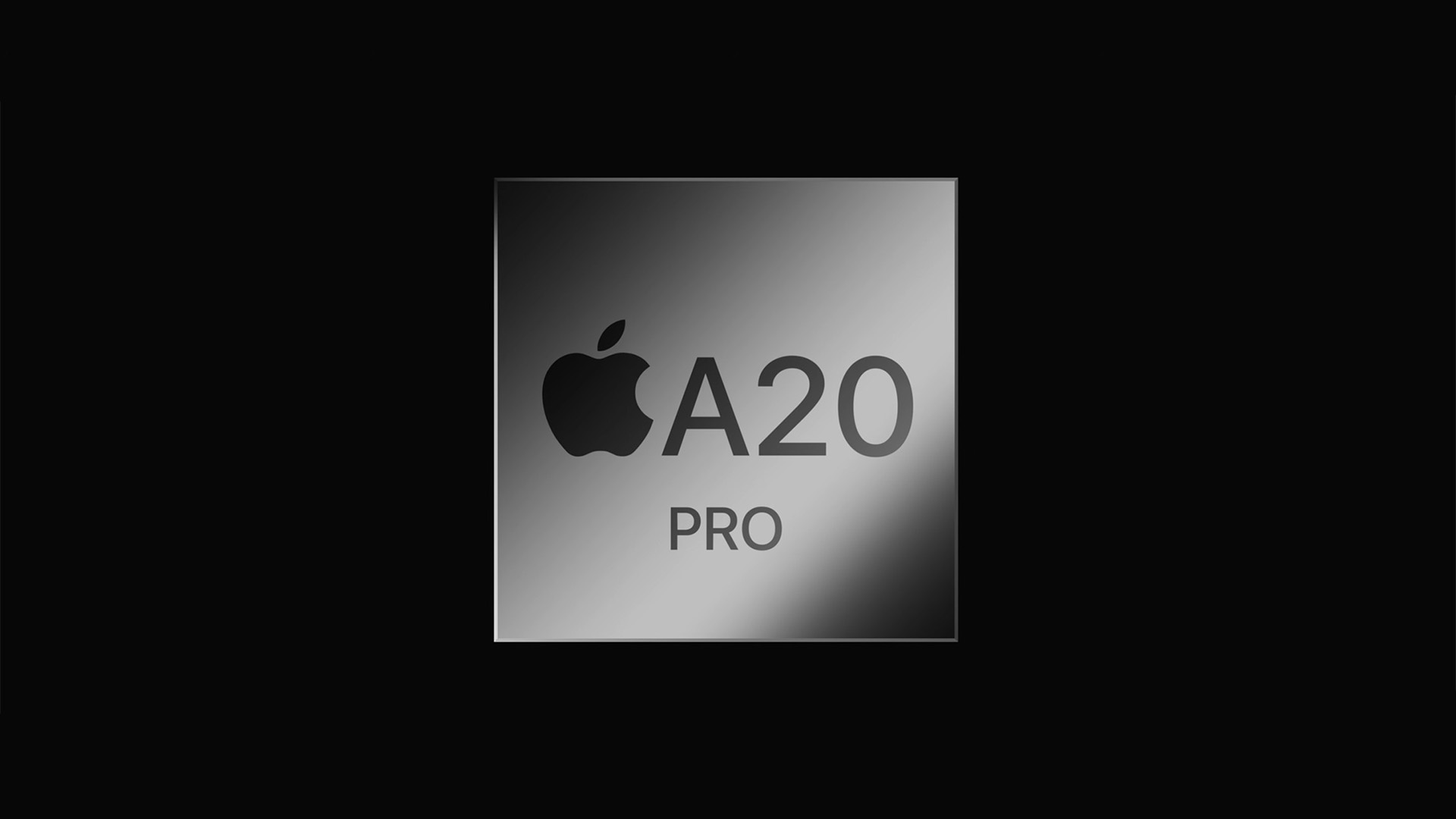
A reported DRAM bottleneck could delay Apple chips and signal wider memory risks for AI infrastructure.
30-Second TL;DR
What Changed
TSMC reportedly has about $1 billion worth of Apple A20 Pro chips in inventory.
Why It Matters
For AI infrastructure teams, the report highlights how memory availability can become a bottleneck even when advanced processors are ready. Prolonged DRAM shortages could raise costs and extend deployment timelines for memory-intensive AI systems.
What To Do Next
Review your next two quarters of AI hardware capacity plans and identify fallback cloud instances or accelerators that reduce dependence on constrained DRAM configurations.
Key Points
- •TSMC reportedly has about $1 billion worth of Apple A20 Pro chips in inventory.
- •Insufficient DRAM is preventing the chips from moving to packaging and later manufacturing stages.
- •The supply constraint could directly affect the release timing of Apple's iPhone 18 series.
Deep Insight
AI-generated analysis for this event — not the original article.
Enhanced Key Takeaways
- •The A20 Pro chip is reportedly manufactured on TSMC's N2 (2nm) process node, which is experiencing higher-than-expected yield volatility, compounding the supply chain bottleneck.
- •Industry analysts suggest the DRAM shortage is specifically linked to a transition to LPDDR6 memory, which is currently facing production capacity constraints at major suppliers like Samsung and SK Hynix.
- •Apple has reportedly initiated emergency negotiations with alternative memory suppliers to secure LPDDR6 allocations, potentially at a significant price premium to mitigate the iPhone 18 delay.
- •TSMC's CoWoS (Chip-on-Wafer-on-Substrate) packaging capacity is also reportedly strained, creating a secondary bottleneck that exacerbates the impact of the DRAM shortage on final assembly.
- •Market reports indicate that Apple may consider a staggered launch strategy for the iPhone 18 series, prioritizing the Pro models while delaying the standard variants if the memory supply remains constrained.
Competitor Analysis
- Apple A20 Pro
- TSMC 2nm (N2)
- Qualcomm Snapdragon 8 Gen 5
- TSMC 3nm (N3P)
- MediaTek Dimensity 9600
- TSMC 3nm (N3E)
- Apple A20 Pro
- LPDDR6
- Qualcomm Snapdragon 8 Gen 5
- LPDDR5X/LPDDR6
- MediaTek Dimensity 9600
- LPDDR5X
- Apple A20 Pro
- Custom ARMv9
- Qualcomm Snapdragon 8 Gen 5
- Oryon CPU
- MediaTek Dimensity 9600
- Cortex-X series
- Apple A20 Pro
- Premium Flagship
- Qualcomm Snapdragon 8 Gen 5
- Premium Flagship
- MediaTek Dimensity 9600
- High-End Flagship
| Feature | Apple A20 Pro | Qualcomm Snapdragon 8 Gen 5 | MediaTek Dimensity 9600 |
|---|---|---|---|
| Process Node | TSMC 2nm (N2) | TSMC 3nm (N3P) | TSMC 3nm (N3E) |
| Memory Support | LPDDR6 | LPDDR5X/LPDDR6 | LPDDR5X |
| Architecture | Custom ARMv9 | Oryon CPU | Cortex-X series |
| Target Market | Premium Flagship | Premium Flagship | High-End Flagship |
Technical Deep Dive
- The A20 Pro utilizes a 2nm gate-all-around (GAA) transistor architecture, which requires precise integration with high-bandwidth memory modules.
- The bottleneck involves the integration of LPDDR6, which offers increased data rates up to 12.8 Gbps, requiring new signal integrity standards during the packaging phase.
- The CoWoS-S (Silicon) packaging technology is being utilized to connect the A20 Pro logic die to the memory stacks, a process that cannot be completed without the specific DRAM components.
- Thermal management for the A20 Pro is reportedly optimized for the higher power density of the 2nm node, necessitating specific thermal interface materials that are also currently in short supply.
Future ImplicationsAI analysis grounded in cited sources
Timeline
- 2025-06Apple and TSMC finalize the N2 process roadmap for the A20 series.
- 2026-01Initial pilot production of the A20 Pro chip begins at TSMC's Fab 20.
- 2026-04Apple confirms LPDDR6 specifications for the upcoming iPhone 18 lineup.
- 2026-07Reports emerge of a critical mismatch between A20 Pro wafer output and available LPDDR6 inventory.
Weekly AI Recap
Read this week's curated digest of top AI events →
Related Updates


AI-curated news aggregator. All content rights belong to original publishers.
Original source: cnBeta (Full RSS) ↗
This is a summary, not the original. Read the source, or get the weekly briefing.
The weekly digest
One email a week. Unsubscribe anytime.