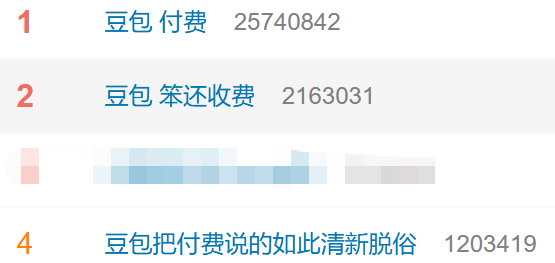
Doubao Launches Controversial Paid Tiers
💡Doubao's paid pivot exposes LLM scale costs—critical for your AI monetization strategy.
⚡ 30-Second TL;DR
What Changed
Introduced tiers: Standard 68 RMB/mo (688/yr), Strengthened 200/mo (2048/yr), Professional 500/mo (5088/yr)
Why It Matters
Doubao's freemium shift underscores cost pressures for scaled LLMs, potentially setting pricing precedents in China. Founders face similar sustainability challenges; may push industry toward tiered models. Practitioners should benchmark paid features against global rivals for production use.
What To Do Next
Test Doubao's strengthened tier API for Seed 2.0 video gen to compare cost vs. Kimi/Claude.
Key Points
- •Introduced tiers: Standard 68 RMB/mo (688/yr), Strengthened 200/mo (2048/yr), Professional 500/mo (5088/yr)
- •Paid features for complex tasks: PPT/data analysis/Seed 2.0 video gen, addressing high GPU costs
- •3.45B MAU, 120T daily tokens costing millions/day, ByteDance AI capex ~1500B RMB in 2025
- •Backlash: Features lag rivals like Kimi's multi-agent/Office integration; user base mismatches needs
🧠 Deep Insight
AI-generated analysis for this event.
🔑 Enhanced Key Takeaways
- •ByteDance's monetization strategy shift is driven by a strategic pivot to reduce reliance on advertising revenue and offset the massive inference costs associated with the Doubao model's rapid adoption in the enterprise sector.
- •Internal reports suggest that the 'Professional' tier is specifically designed to integrate with ByteDance's Lark (Feishu) ecosystem, aiming to capture the B2B market rather than just individual power users.
- •The backlash is exacerbated by recent performance degradation reports, where users claim the model's reasoning capabilities have decreased following the introduction of the tiered architecture, leading to accusations of 'model throttling' for free users.
📊 Competitor Analysis▸ Show
| Feature | Doubao (Pro) | Kimi (Moonshot) | DeepSeek |
|---|---|---|---|
| Pricing | 68-500 RMB/mo | 39-399 RMB/mo | Usage-based (API) |
| Core Strength | Ecosystem (Lark/Video) | Long-context/Research | Coding/Reasoning |
| Target | Enterprise/Creators | Academic/Professional | Developers |
🛠️ Technical Deep Dive
- •Doubao utilizes a Mixture-of-Experts (MoE) architecture to manage inference costs, dynamically routing tokens to smaller, specialized sub-models for routine tasks.
- •The 'Seed 2.0' video generation feature relies on a latent diffusion model optimized for temporal consistency, requiring significant VRAM allocation per request.
- •The platform implements a tiered token-bucket rate limiting system, where paid tiers receive higher priority in the inference queue during peak traffic hours to reduce latency.
🔮 Future ImplicationsAI analysis grounded in cited sources
⏳ Timeline
Weekly AI Recap
Read this week's curated digest of top AI events →
👉Related Updates


AI-curated news aggregator. All content rights belong to original publishers.
Original source: 虎嗅 ↗