Docker Sandboxes & Agent Revolutionize AI Teams
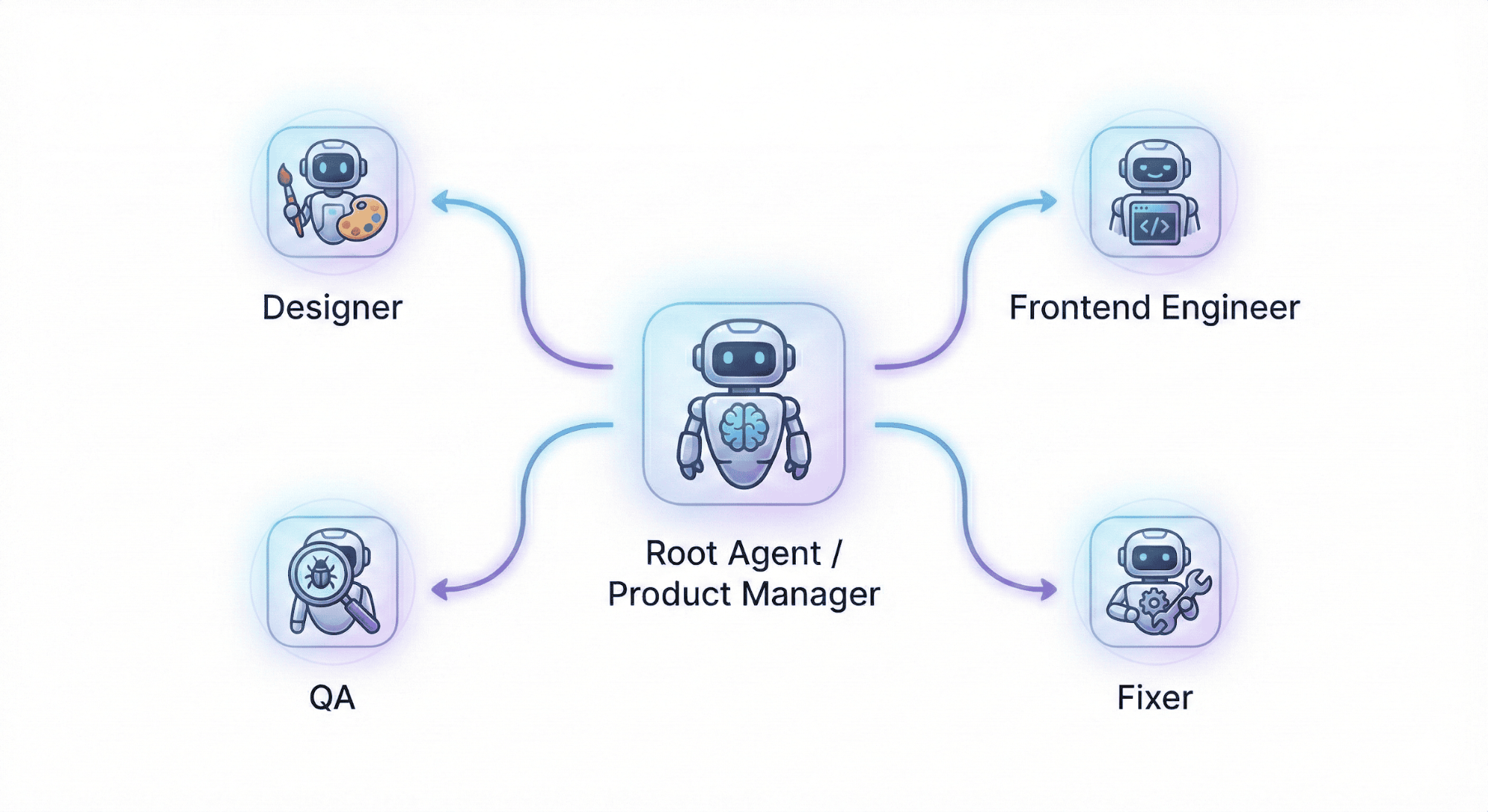
💡Docker tools end solo AI dev exhaustion—build teams effortlessly
⚡ 30-Second TL;DR
What Changed
Docker Sandboxes provide isolated environments for AI dev tasks
Why It Matters
Streamlines AI development for small teams or solo practitioners, boosting productivity. Enables scalable AI team simulations without hiring. Positions Docker as key infrastructure for AI builders.
What To Do Next
Try Docker Sandboxes today to isolate your next AI prototype environment.
Key Points
- •Docker Sandboxes provide isolated environments for AI dev tasks
- •Docker Agent automates workflows to mimic team roles
- •Eliminates context-switching in late-night solo coding sessions
- •Supports roles like PM, designer, engineer, and QA in AI builds
🧠 Deep Insight
Background and context from public sources — not the original article. 8 sources cited.
🔑 Enhanced Key Takeaways
- •Docker Sandboxes currently run AI agents as containers inside Docker Desktop's VM, with plans to transition to dedicated microVMs for enhanced security and performance.[1][6]
- •Supports running multiple AI coding agents like Claude Code, Gemini CLI, and Codex in parallel within isolated environments.[5][1]
- •Integrates with Docker's MCP Toolkit to enable multi-agent systems and tool integrations such as GitHub and DuckDuckGo.[2][5]
📊 Competitor Analysis▸ Show
| Platform | Isolation Technology | Startup Latency | Stateful | Pricing |
|---|---|---|---|---|
| Docker Sandboxes | Containers (microVM soon) | Not specified | Yes | Free (Desktop) |
| Daytona | Docker (Kata optional) | ~90ms | Yes | Not specified |
| Together | MicroVM | 500ms (resume) | Configurable | Not specified |
| Vercel Sandbox | MicroVM (Firecracker) | Sub-second | No | Not specified |
🛠️ Technical Deep Dive
- •Agents execute within containers inside Docker Desktop's VM, providing isolation that mirrors the local workspace while enforcing strict boundaries to prevent access to the host system.[1][6]
- •Designed for dynamic AI workflows where agents may delete repos, modify files, or access secrets, using container-based isolation over traditional OS-level sandboxing for cross-platform consistency and flexibility.[1]
- •Future architecture shift to microVM-based isolation for deeper security; current implementation supports reproducibility and least-privilege execution.[1][2][6]
🔮 Future ImplicationsAI analysis grounded in cited sources
⏳ Timeline
📎 Sources (8)
Factual claims are grounded in the sources below. Forward-looking analysis is AI-generated interpretation.
- c-sharpcorner.com — Docker Launches Sandboxes a Game Changer for AI Coding Agent Safety
- youtube.com — Watch
- northflank.com — Self Hosted AI Sandboxes
- northflank.com — Best Code Execution Sandbox for AI Agents
- docker.com — 2026 02 09 AI Sandboxes Secure Foundations
- docker.com — Docker Sandboxes a New Approach for Coding Agent Safety
- docs.docker.com — Sandboxes
- dev.to — Getting Started with Docker Sandboxes a Complete Hands on Tutorials and Guide 15b2
Weekly AI Recap
Read this week's curated digest of top AI events →
👉Related Updates
AI-curated news aggregator. All content rights belong to original publishers.
Original source: Docker Blog ↗
This is a summary, not the original. Read the source, or get the weekly briefing.
Weekly AI briefing
One email a week. Unsubscribe anytime.