Source钛媒体•Stalecollected in 8m
DJI vs Insta360 Battle as Phone Giants Enter
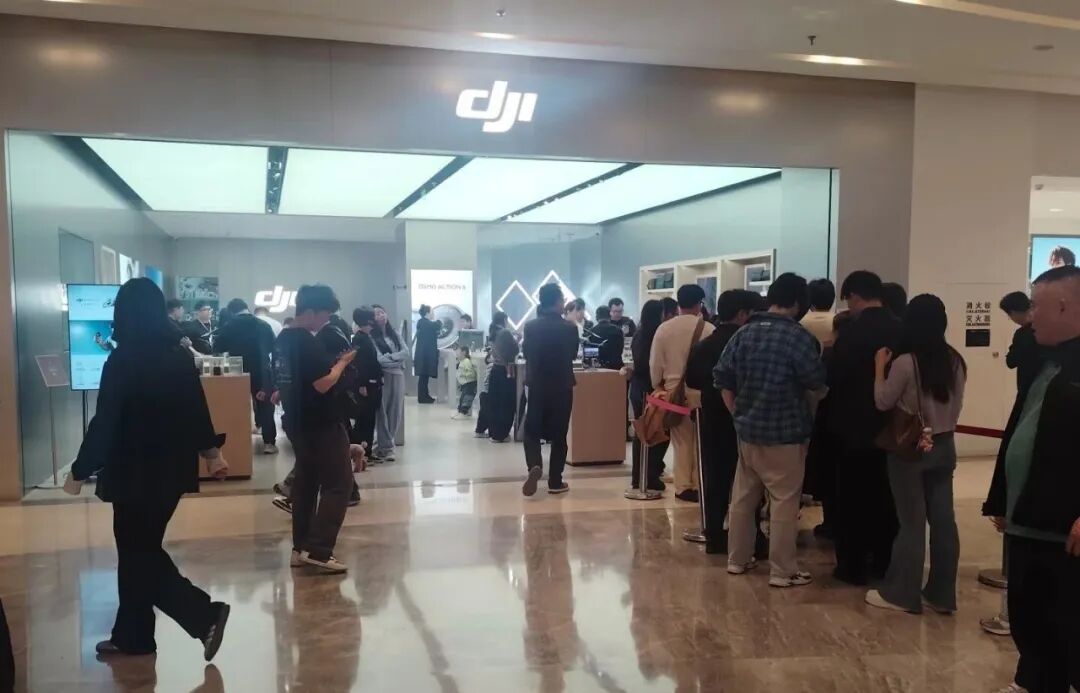
#handheld-camera#dji-insta360#market-battlehandheld-camerasdjiinsta360
💡DJI camera wars impact AI video tools for creators
⚡ 30-Second TL;DR
What Changed
DJI vs Insta360 direct rivalry in handheld cameras
Why It Matters
Heightened competition may drive innovation in AI-enhanced imaging for creators, but fragment the market for robotics firms like DJI.
What To Do Next
Test DJI and Insta360 gimbals for AI video stabilization in your content pipeline.
Who should care:Creators & Designers
Key Points
- •DJI vs Insta360 direct rivalry in handheld cameras
- •Increasing number of competitors targeting DJI
- •Phone giants entering the fray
- •Market poised for intense mix-up
🧠 Deep Insight
AI-generated analysis for this event — not the original article.
🔑 Enhanced Key Takeaways
- •The handheld camera market is shifting toward AI-integrated hardware, with companies like DJI and Insta360 increasingly prioritizing on-device neural processing for real-time subject tracking and automated editing.
- •Smartphone manufacturers are leveraging their proprietary imaging algorithms and ecosystem integration to challenge dedicated action cameras, focusing on 'computational photography' to bridge the gap in sensor size and stabilization.
- •Supply chain diversification and the commoditization of CMOS sensors have lowered the barrier to entry, allowing new entrants to rapidly prototype and launch competitive handheld devices.
📊 Competitor Analysis▸ Show
| Feature | DJI (Osmo Series) | Insta360 (Ace/Go/X Series) | Phone Giants (Flagship) |
|---|---|---|---|
| Primary Focus | Professional Stabilization | Creative Form Factors | Computational Imaging |
| Pricing | Mid-to-High Tier | Competitive/Niche | Premium (Integrated) |
| Key Benchmark | Gimbal-level stability | 360/Modular versatility | AI-driven post-processing |
🛠️ Technical Deep Dive
- •Integration of dedicated AI NPUs (Neural Processing Units) in handheld cameras for real-time object recognition and background segmentation.
- •Advancements in sensor-shift stabilization technology combined with electronic image stabilization (EIS) algorithms to mimic mechanical gimbal performance.
- •Adoption of high-bitrate codecs (e.g., H.265/HEVC) and 10-bit color depth support to facilitate professional-grade color grading in post-production.
- •Implementation of multi-microphone arrays with AI-based wind noise reduction for improved field audio capture.
🔮 Future ImplicationsAI analysis grounded in cited sources
Dedicated action camera market share will decline by 15% by 2027.
Smartphone camera hardware and AI software improvements are increasingly satisfying the needs of casual content creators, reducing the necessity for secondary devices.
DJI and Insta360 will pivot toward 'AI-first' software ecosystems.
Hardware differentiation is becoming harder to maintain, forcing companies to compete on the quality and ease of their automated editing and cloud-based AI services.
⏳ Timeline
2018-11
DJI launches the Osmo Pocket, pioneering the compact, gimbal-stabilized handheld camera market.
2020-10
Insta360 releases the ONE X2, solidifying its position as a leader in 360-degree consumer action cameras.
2023-09
DJI releases the Osmo Pocket 3, featuring a significantly larger 1-inch sensor to compete with high-end smartphone imaging.
2024-12
Insta360 expands its product line with AI-focused software updates for its Ace Pro series to enhance low-light performance.
📰
Weekly AI Recap
Read this week's curated digest of top AI events →
👉Related Updates



AI-curated news aggregator. All content rights belong to original publishers.
Original source: 钛媒体 ↗
This is a summary, not the original. Read the source, or get the weekly briefing.
The weekly digest
One email a week. Unsubscribe anytime.