Diver-X launches ContactGlove3 with sub-millimeter tracking precision
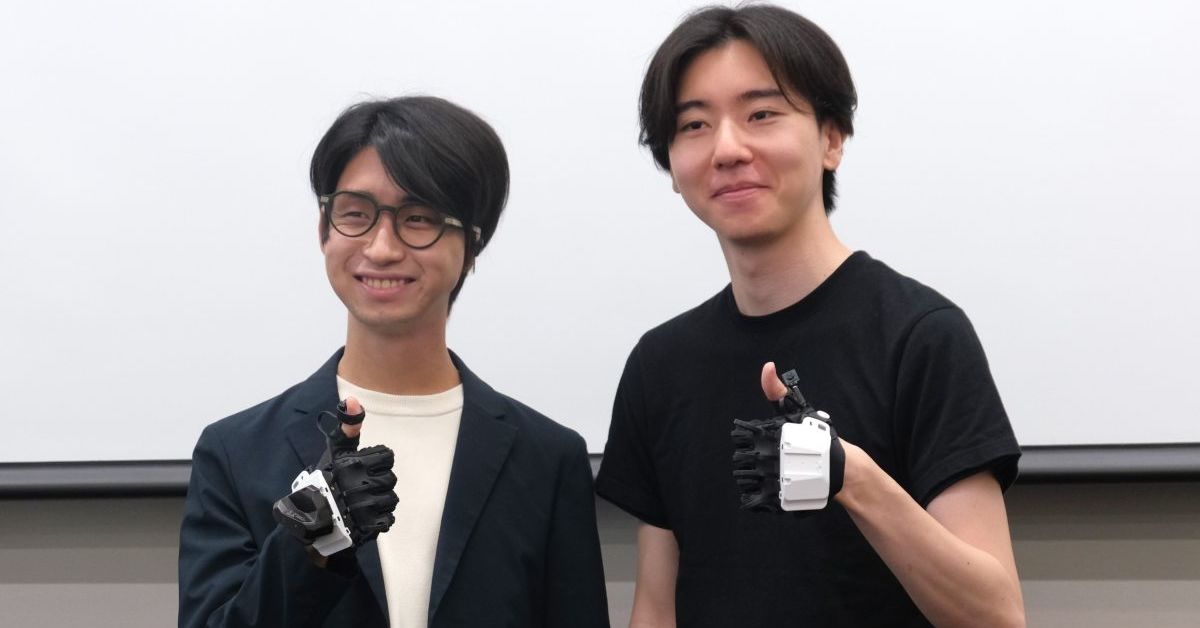
High-precision VR gloves for robotics training—a new hardware option for collecting human-in-the-loop motion data.
30-Second TL;DR
What Changed
Features electromagnetic tracking for high-precision motion capture
Why It Matters
The high-precision tracking capabilities provide a new, accessible hardware interface for collecting high-quality human demonstration data for embodied AI and robotics research.
What To Do Next
Evaluate ContactGlove3 as a data acquisition tool for training your robot's manipulation policies via teleoperation.
Key Points
- •Features electromagnetic tracking for high-precision motion capture
- •Achieves a median error of 0.5mm and maximum error of 1.5mm
- •Designed for both consumer VR and professional robotics training
Deep Insight
AI-generated analysis for this event — not the original article.
Enhanced Key Takeaways
- •The ContactGlove3 utilizes a proprietary electromagnetic sensor array that eliminates the occlusion issues common in optical-based VR tracking systems.
- •Diver-X has integrated a new haptic feedback module capable of simulating texture and resistance, a significant upgrade from the vibration-only feedback in previous iterations.
- •The device supports open-source SDKs for Unity and Unreal Engine 5, specifically targeting developers building high-fidelity digital twins for industrial robotics.
- •The glove features a modular design allowing users to replace the sensor fabric, extending the product's lifespan in high-wear professional environments.
- •Power consumption has been optimized to allow for 8 hours of continuous operation, addressing a major pain point for long-duration VR training sessions.
Competitor Analysis
- ContactGlove3
- Electromagnetic
- SenseGlove Nova 2
- Optical/IMU
- HaptX G1
- Pneumatic/Optical
- ContactGlove3
- 0.5mm (Median)
- SenseGlove Nova 2
- ~2-5mm (Variable)
- HaptX G1
- Sub-millimeter
- ContactGlove3
- Consumer/Robotics
- SenseGlove Nova 2
- Enterprise Training
- HaptX G1
- Industrial/Medical
- ContactGlove3
- ~$1,200 (Est.)
- SenseGlove Nova 2
- ~$5,000+
- HaptX G1
- $10,000+
| Feature | ContactGlove3 | SenseGlove Nova 2 | HaptX G1 |
|---|---|---|---|
| Tracking Method | Electromagnetic | Optical/IMU | Pneumatic/Optical |
| Precision | 0.5mm (Median) | ~2-5mm (Variable) | Sub-millimeter |
| Primary Use | Consumer/Robotics | Enterprise Training | Industrial/Medical |
| Pricing | ~$1,200 (Est.) | ~$5,000+ | $10,000+ |
Technical Deep Dive
- Sensor Architecture: Employs a multi-coil electromagnetic field generator that maps hand position relative to a base station without line-of-sight requirements.
- Latency: Achieves a motion-to-photon latency of under 10ms when paired with high-refresh-rate VR headsets.
- Connectivity: Utilizes a dedicated 2.4GHz wireless protocol to minimize interference with standard Wi-Fi networks in crowded office environments.
- Data Output: Provides raw 6-DOF tracking data alongside processed skeletal joint rotation data for direct integration into machine learning pipelines.
Future ImplicationsAI analysis grounded in cited sources
Timeline
- 2021-08Diver-X launches initial Kickstarter campaign for the original ContactGlove.
- 2023-05Release of ContactGlove (Consumer Edition) with improved haptic actuators.
- 2024-11Diver-X secures Series A funding to expand R&D into electromagnetic tracking.
- 2026-06Official announcement of ContactGlove3 featuring sub-millimeter precision.
Weekly AI Recap
Read this week's curated digest of top AI events →
Related Updates


AI-curated news aggregator. All content rights belong to original publishers.
Original source: ITmedia AI+ (日本) ↗
This is a summary, not the original. Read the source, or get the weekly briefing.
The weekly digest
One email a week. Unsubscribe anytime.