Design Innovation Beyond Tier-1 Cities
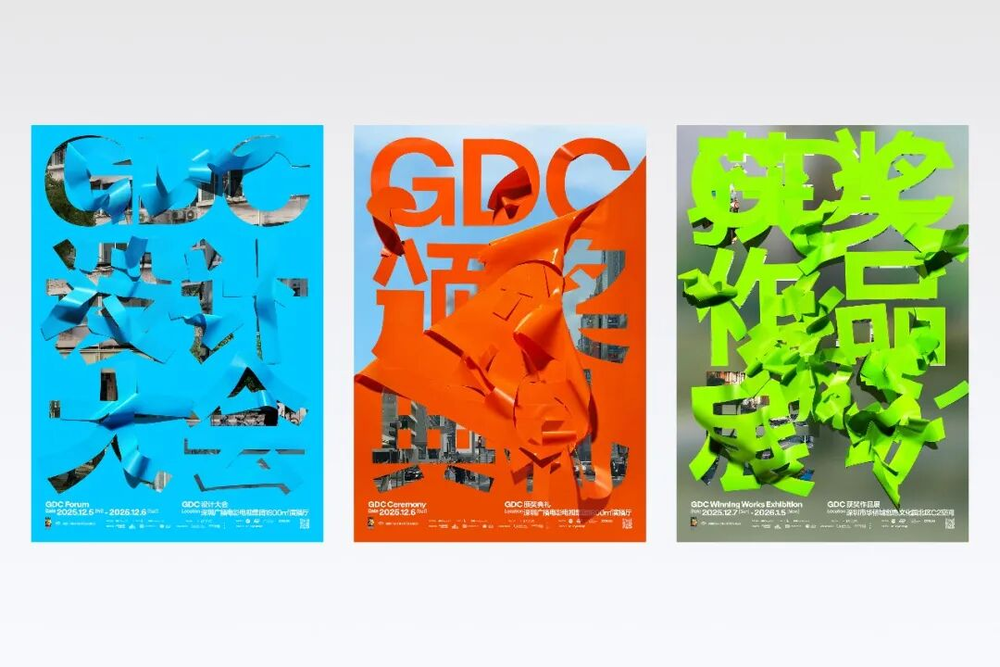
💡Learn how a non-tier-1 city studio won a global design award using authentic, non-standard visual systems.
⚡ 30-Second TL;DR
What Changed
The design uses 'cut-letter sticker' aesthetics to reflect authentic Chinese design culture.
Why It Matters
This highlights a shift in creative industries where local, authentic cultural expressions are gaining global recognition over standardized urban aesthetics.
What To Do Next
Explore how to integrate generative AI to simulate 'manual' or 'imperfect' textures in your design automation pipelines.
Key Points
- •The design uses 'cut-letter sticker' aesthetics to reflect authentic Chinese design culture.
- •The project emphasizes 'intervention' and audience participation in visual systems.
- •The studio advocates for finding unique local perspectives rather than chasing一线 city resources.
- •The team is exploring AI integration in their design workflows.
🧠 Deep Insight
AI-generated analysis for this event — not the original article.
🔑 Enhanced Key Takeaways
- •Bu Yi Le Hu is based in Foshan, Guangdong, a city historically significant for manufacturing and craft, which informs their 'vernacular' design philosophy.
- •The GDC Award 2025 visual identity utilized a variable typography system that allowed the logo to physically 'deconstruct' across different media formats.
- •The studio's 'cut-letter sticker' aesthetic is a deliberate subversion of the polished, minimalist corporate identity trends dominant in Beijing and Shanghai design firms.
- •The One Show 2026 Crystal Pencil win marks the first time a studio based outside of China's top-tier 'first-tier' cities has received this specific honor for a domestic visual identity project.
- •Bu Yi Le Hu has actively partnered with local Foshan industrial manufacturers to prototype physical design assets, bridging the gap between digital graphic design and industrial production.
🛠️ Technical Deep Dive
- The visual identity system employs a custom-built parametric grid that adjusts kerning and stroke weight based on the physical dimensions of the application surface.
- The studio utilizes a hybrid workflow integrating Adobe Creative Cloud with custom Python scripts to automate the generation of 'sticker-style' randomized layouts.
- AI integration involves the use of localized Stable Diffusion models trained on traditional Chinese signage datasets to generate texture overlays that mimic weathered, urban street-level typography.
🔮 Future ImplicationsAI analysis grounded in cited sources
⏳ Timeline
Weekly AI Recap
Read this week's curated digest of top AI events →
👉Related Updates
AI-curated news aggregator. All content rights belong to original publishers.
Original source: 虎嗅 ↗
This is a summary, not the original. Read the source, or get the weekly briefing.
Weekly AI briefing
One email a week. Unsubscribe anytime.