DeepMind CEO Calls for Global AI Regulatory Body

💡Understand the future of AI regulation and how upcoming safety standards may impact model release cycles.
⚡ 30-Second TL;DR
What Changed
Proposed agency would function similarly to the U.S. financial regulator FINRA.
Why It Matters
This proposal highlights a significant shift toward proactive industry self-regulation and government oversight, which could fundamentally change how frontier models are developed and deployed.
What To Do Next
Review existing AI safety frameworks and model evaluation benchmarks to prepare for potential future global compliance standards.
Key Points
- •Proposed agency would function similarly to the U.S. financial regulator FINRA.
- •Focuses on safety evaluations for frontier AI models before public release.
- •Aims to establish global standards and a 'brake' mechanism for high-risk AI developments.
🧠 Deep Insight
AI-generated analysis for this event.
🔑 Enhanced Key Takeaways
- •Hassabis has explicitly drawn parallels to the International Atomic Energy Agency (IAEA) as a potential governance model for AI, emphasizing the need for international oversight similar to nuclear non-proliferation.
- •The proposal aligns with the broader 'AI Safety Summit' movement, which seeks to harmonize disparate national regulations into a cohesive global framework to prevent regulatory arbitrage.
- •DeepMind's advocacy follows internal shifts in Google's corporate structure, specifically the consolidation of DeepMind and Google Brain to accelerate safety-aligned research.
- •The call for a 'brake' mechanism is technically linked to 'red-teaming' protocols, where models are subjected to adversarial testing to identify catastrophic failure modes before deployment.
- •Industry analysts note that this push for regulation may serve to solidify the market position of incumbent 'frontier' labs by raising the compliance barrier for smaller, open-source competitors.
🔮 Future ImplicationsAI analysis grounded in cited sources
⏳ Timeline
Weekly AI Recap
Read this week's curated digest of top AI events →
👉Related Updates
Same topic
Explore #ai-regulation
Same product
More on google-deepmind-ai-governance-proposal
Same source
Latest from IT之家

DeepMind CEO proposes independent body for frontier AI regulation

Anthropic commits $10 million to Canadian AI research
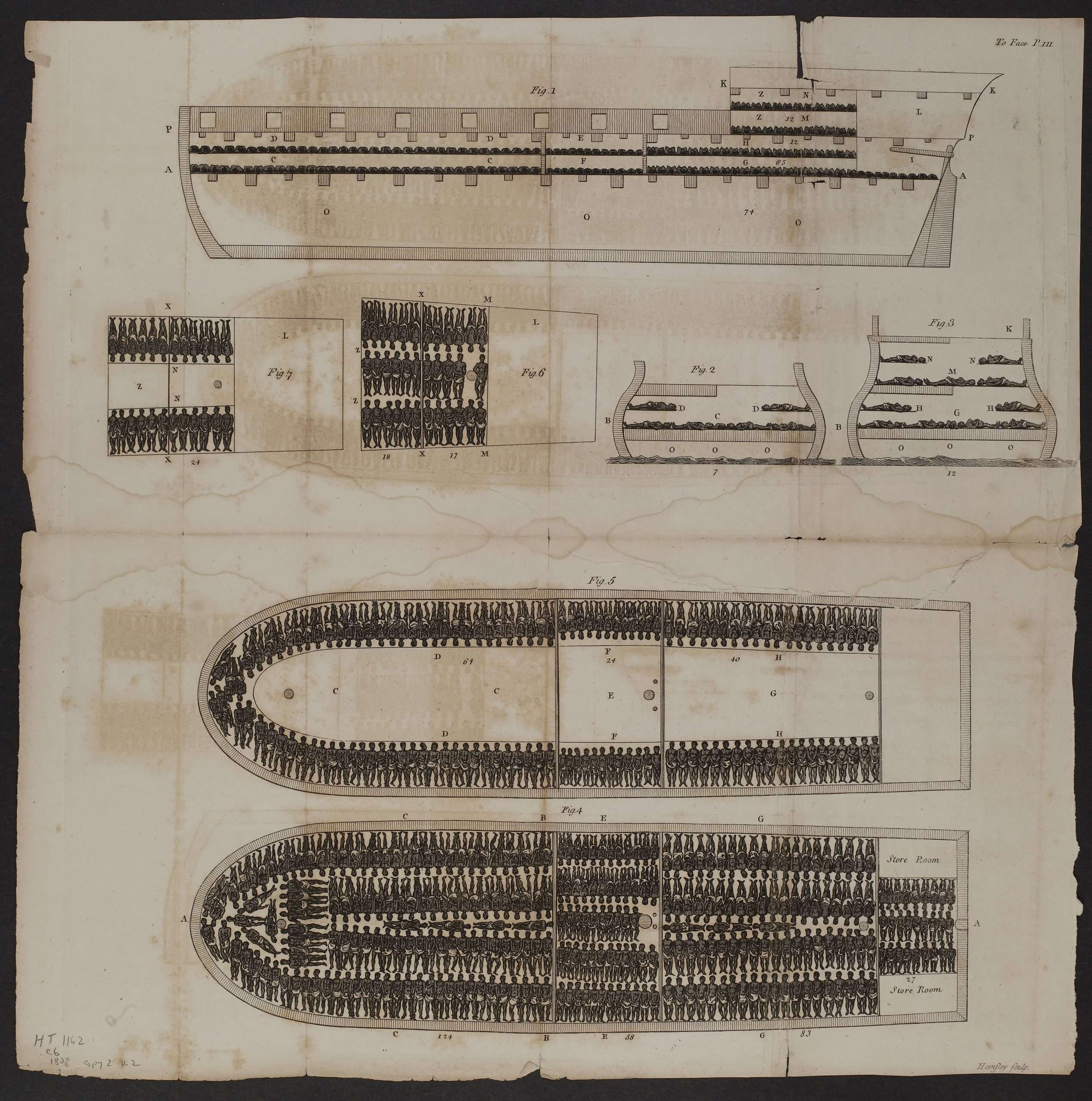
Historical Lessons on Lobbying and Abolitionist Movements

Gemini 2.5 Pro shows limitations in child communication analysis
AI-curated news aggregator. All content rights belong to original publishers.
Original source: IT之家 ↗