Historical Lessons on Lobbying and Abolitionist Movements
💡Learn how historical interest groups shaped policy to better navigate today's AI regulation and lobbying landscape.
⚡ 30-Second TL;DR
What Changed
Abolition was driven by a 'knife fight' between moral pioneers and industry lobbyists rather than purely economic shifts.
Why It Matters
Understanding how historical movements successfully challenged entrenched industry interests provides a framework for AI practitioners navigating current AI policy and ethical debates.
What To Do Next
Analyze current AI regulatory lobbying efforts by mapping them against historical interest group tactics to predict potential policy outcomes.
Key Points
- •Abolition was driven by a 'knife fight' between moral pioneers and industry lobbyists rather than purely economic shifts.
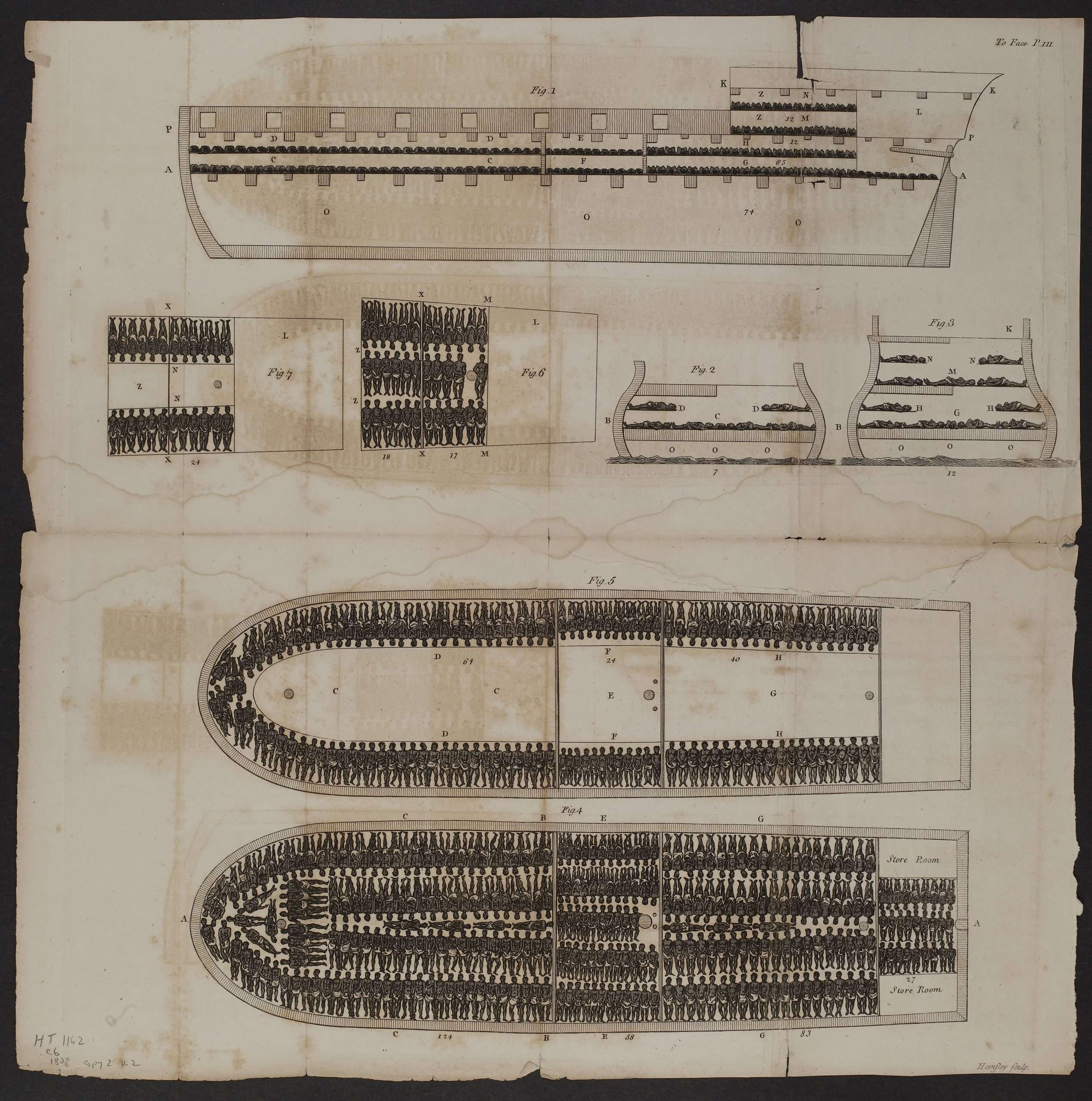
- •Public activation through visual media, such as slave-ship diagrams, was critical in forcing parliamentary attention.
- •The slave trade was significantly more dangerous for sailors than other maritime industries, with high mortality rates.
- •The movement succeeded by expanding from a small group of Quakers to an elite coalition including political leaders.
🧠 Deep Insight
AI-generated analysis for this event.
🔑 Enhanced Key Takeaways
- •The abolitionist movement utilized the 'Zong' massacre (1781) as a pivotal legal and public relations catalyst to shift the narrative from economic regulation to human rights violations.
- •Abolitionists pioneered the use of consumer boycotts, specifically targeting sugar produced by enslaved labor, which mobilized women and non-voters who lacked direct parliamentary influence.
- •The movement's success was heavily reliant on the 'Society for Effecting the Abolition of the Slave Trade,' which established a sophisticated grassroots network that coordinated petition drives across hundreds of British towns.
- •Parliamentary strategy involved the 'gradualist' approach, where abolitionists first targeted the slave trade (1807) before moving to full emancipation (1833) to manage political opposition from the powerful West India Committee.
- •The West India Committee functioned as one of the earliest and most effective corporate lobbying groups, utilizing 'absentee landlord' wealth to influence MPs through direct bribery and control of colonial appointments.
🔮 Future ImplicationsAI analysis grounded in cited sources
⏳ Timeline
Weekly AI Recap
Read this week's curated digest of top AI events →
👉Related Updates

AI-curated news aggregator. All content rights belong to original publishers.
Original source: LessWrong AI ↗