Dealerships Rebuild Around Robots and New Businesses
💡Humanoid robots are moving into car dealerships—an unexpected new channel for embodied AI.
⚡ 30-Second TL;DR
What Changed
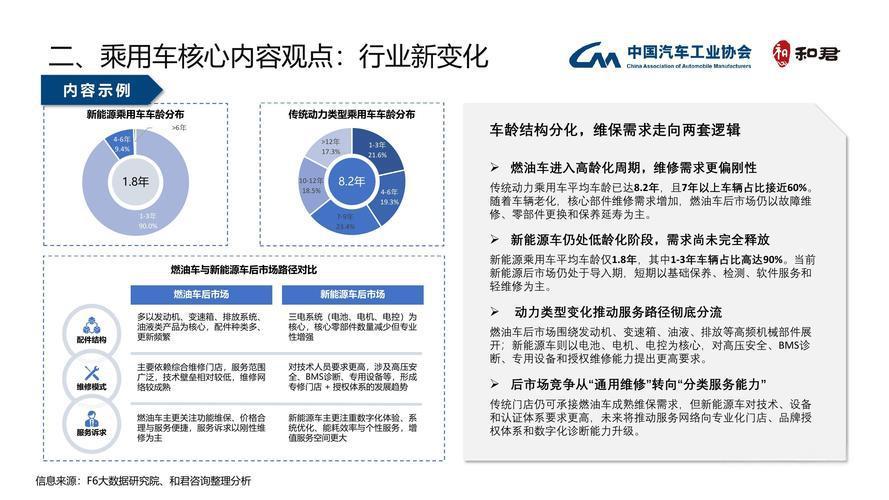
Former car dealerships are adding non-automotive businesses such as apparel and barbecue.
Why It Matters
For robotics companies, dealership networks could become an unconventional channel for product demonstrations and customer acquisition. However, the model depends on whether humanoid robots can generate sustained foot traffic and commercial returns.
What To Do Next
Evaluate whether a dealership pilot can support your humanoid robot’s demo, lead-generation, and after-sales workflows before committing to a channel partnership.
Key Points
- •Former car dealerships are adding non-automotive businesses such as apparel and barbecue.
- •Humanoid robots are entering spaces historically dedicated to vehicle sales.
- •The shift reflects declining profitability and pressure on traditional dealership operations.
🧠 Deep Insight
AI-generated analysis for this event.
🔑 Enhanced Key Takeaways
- •The transition is largely driven by the rapid adoption of the agency sales model in China, which reduces dealership margins and necessitates revenue diversification.
- •Major Chinese dealership groups, such as China Grand Automotive Services, have faced significant delisting risks and stock price volatility, accelerating the pivot to non-automotive services.
- •Humanoid robots are being deployed in these spaces not just as novelties, but as automated service agents for customer reception, vehicle maintenance assistance, and inventory management.
- •Local government policies in several Chinese provinces are actively encouraging the 'commercial complex' transformation of automotive zones to optimize urban land use.
- •The integration of barbecue restaurants and retail outlets is part of a 'lifestyle hub' strategy designed to increase foot traffic and dwell time, countering the decline in showroom visits caused by online car purchasing.
🛠️ Technical Deep Dive
- Humanoid robot integration typically utilizes ROS 2 (Robot Operating System) for middleware communication and navigation.
- Vision systems employ multi-modal LLMs for natural language processing to handle customer inquiries and service scheduling.
- Dealership management systems (DMS) are being upgraded with API-first architectures to integrate third-party retail and hospitality software stacks.
- Edge computing nodes are installed on-site to process real-time sensor data from robots, ensuring low-latency interaction without relying solely on cloud connectivity.
🔮 Future ImplicationsAI analysis grounded in cited sources
⏳ Timeline
Weekly AI Recap
Read this week's curated digest of top AI events →
👉Related Updates

AI-curated news aggregator. All content rights belong to original publishers.
Original source: 钛媒体 ↗