โš›๏ธStalecollected in 2h

Dashlane reports theft of 20 encrypted vaults
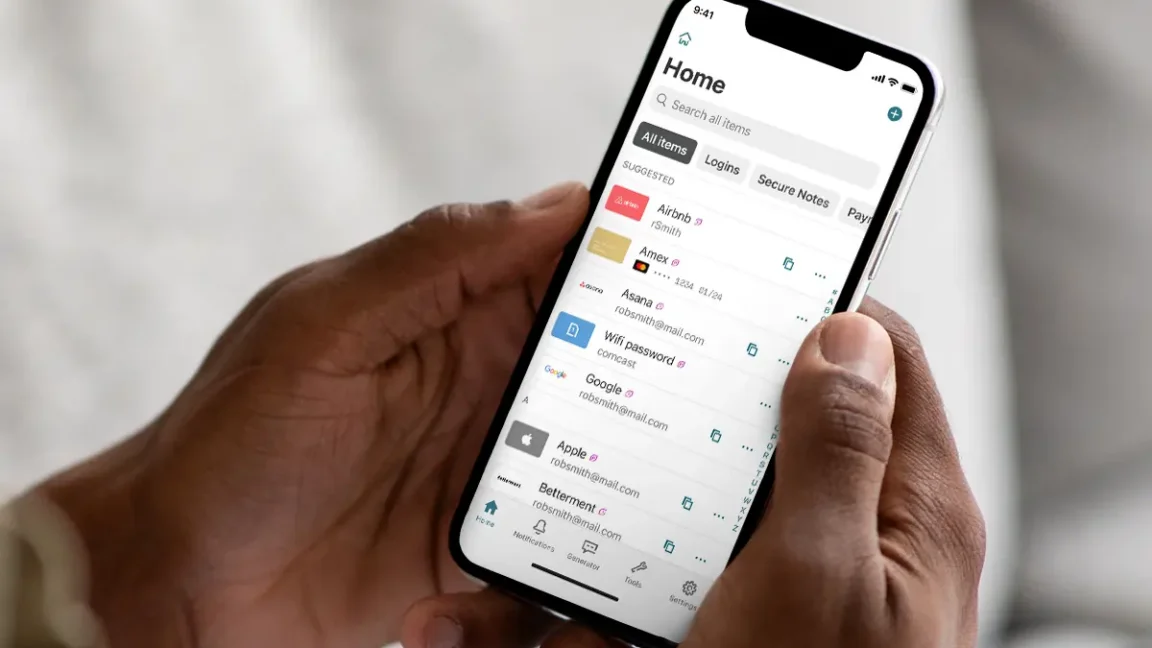
Dashlane reports theft of 20 encrypted vaults
PostLinkedIn
โš›๏ธRead original on Ars Technica

๐Ÿ’กCritical security incident in identity management; vital for developers building secure authentication systems.

โšก 30-Second TL;DR

What Changed

20 encrypted vaults compromised

Why It Matters

This incident highlights the risks of centralized credential management and the importance of transparent security disclosures. Users and developers should review their security posture regarding vault storage.

What To Do Next

Audit your organization's password management policies and ensure multi-factor authentication is enforced across all sensitive vaults.

Who should care:Developers & AI Engineers

Key Points

  • โ€ข20 encrypted vaults compromised
  • โ€ขDashlane security advisory lacks technical transparency
  • โ€ขCompany maintaining silence on breach details

๐Ÿง  Deep Insight

Web-grounded analysis with 15 cited sources.

๐Ÿ”‘ Enhanced Key Takeaways

  • โ€ขThe breach was identified as a brute-force attack specifically targeting two-factor authentication (2FA) mechanisms to enable the registration of new, unauthorized devices on existing user accounts.
  • โ€ขThe compromised encrypted vaults belonged to "fewer than 20" personal plan users, and Dashlane confirmed that it directly notified each of these affected individuals.
  • โ€ขDashlane's internal systems were not impacted by the incident, and the downloaded encrypted vaults remain inaccessible without the user's Master Password, which is never stored on Dashlane's servers.
  • โ€ขDashlane's security controls automatically detected the high volume of brute-force attempts, leading to the temporary suspension of numerous targeted user accounts and the blocking of threat actor traffic.
๐Ÿ“Š Competitor Analysisโ–ธ Show
Feature / ProductDashlane1PasswordBitwardenNordPassKeeperLastPass
EncryptionAES-256-CBC-HMACAES 256-bitAES 256-bitXChaCha20AES 256-bitAES 256-bit
Zero-Knowledge ArchitectureYesYesYesYesYesYes
Free VersionLimited (25 passwords since Oct 2023)No (free trial)Unlimited passwords/devicesUnlimited passwordsNo (free trial)Yes (limited)
Self-Hosting OptionNoNoYes (for organizations)NoNoNo
Key DifferentiatorsConfidential computing (AWS Nitro Enclaves)Comprehensive vaults, developer-focused featuresOpen-source, data residency optionsUser-friendly, reliable autofillDark web monitoring (BreachWatch), FedRAMP/StateRAMP cert.Simple, easy adoption for SMBs, 24/7 support

๐Ÿ› ๏ธ Technical Deep Dive

  • Dashlane employs a zero-knowledge architecture, ensuring that user vaults are encrypted and decrypted locally on their devices, meaning Dashlane cannot access user credentials.
  • Vault encryption utilizes AES256-CBC-HMAC mode for both confidentiality and integrity.
  • Key derivation for the Master Password uses Argon2d, configured with 3 iterations, 32 MB memory cost, and 2 threads, designed for GPU-resistant password stretching.
  • The system maintains key separation, using distinct secrets for vault encryption and device authentication.
  • For device authentication, each new device generates a unique 40-byte key that authenticates independently from the vault encryption key, requiring explicit user verification (e.g., one-time token or secure device pairing using Curve25519 for passwordless accounts).
  • Dashlane extends zero-knowledge protection into the cloud by leveraging confidential computing and secure cloud enclaves (specifically AWS Nitro Enclaves) to isolate cryptographic operations and encryption key management.
  • The Master Password is known only to the user and is never stored on Dashlane servers or transmitted over the internet.

๐Ÿ”ฎ Future ImplicationsAI analysis grounded in cited sources

The password manager industry will accelerate its adoption of phishing-resistant multi-factor authentication (MFA) standards.
The brute-force attack successfully bypassed traditional 2FA, highlighting its vulnerability and prompting a shift towards more robust, phishing-resistant alternatives like FIDO2/Passkeys.
Enterprise customers and regulatory bodies will increase scrutiny on password manager authentication protocols and demand greater transparency.
The incident is expected to lead to calls for more detailed authentication logs and potential mandates for stronger rate limiting and phishing-resistant 2FA as minimum security standards.
Users will be more strongly encouraged to adopt long, unique, and difficult-to-guess Master Passwords.
The fact that the downloaded encrypted vaults remain secure without the Master Password reinforces its critical role as the ultimate defense against data exposure, even after a breach.

โณ Timeline

2023-05
Dashlane details its patented security architecture, including AES-256 encryption, Argon2d key derivation, and device authentication processes.
2023-10
Dashlane significantly restricts its free version, limiting users to saving only 25 passwords.
2025-02
Dashlane publishes details on its zero-knowledge architecture and the use of secure cloud enclaves for data protection.
2026-05
Dashlane provides an updated architecture overview, detailing its zero-knowledge design, device authentication, encryption model, and confidential computing.
2026-05-31
An external party launches a brute-force attack against certain Dashlane user accounts, targeting 2FA protections to register new devices.
2026-06-02
Dashlane discloses the brute-force attack, confirming that encrypted vaults of fewer than 20 personal plan users were downloaded and that affected users were notified.

๐Ÿ“Ž Sources (15)

Factual claims are grounded in the sources below. Forward-looking analysis is AI-generated interpretation.

  1. thehackernews.com
  2. securityweek.com
  3. dashlane.com
  4. techtimes.com
  5. forbes.com
  6. dashlane.com
  7. dashlane.com
  8. dashlane.com
  9. wizcase.com
  10. dashlane.com
  11. gartner.com
  12. experte.com
  13. lastpass.com
  14. dashlane.com
  15. youtube.com
๐Ÿ“ฐ

Weekly AI Recap

Read this week's curated digest of top AI events โ†’

๐Ÿ‘‰Related Updates

AI-curated news aggregator. All content rights belong to original publishers.
Original source: Ars Technica โ†—