DARPA's X-65 experimental aircraft nears flight testing phase
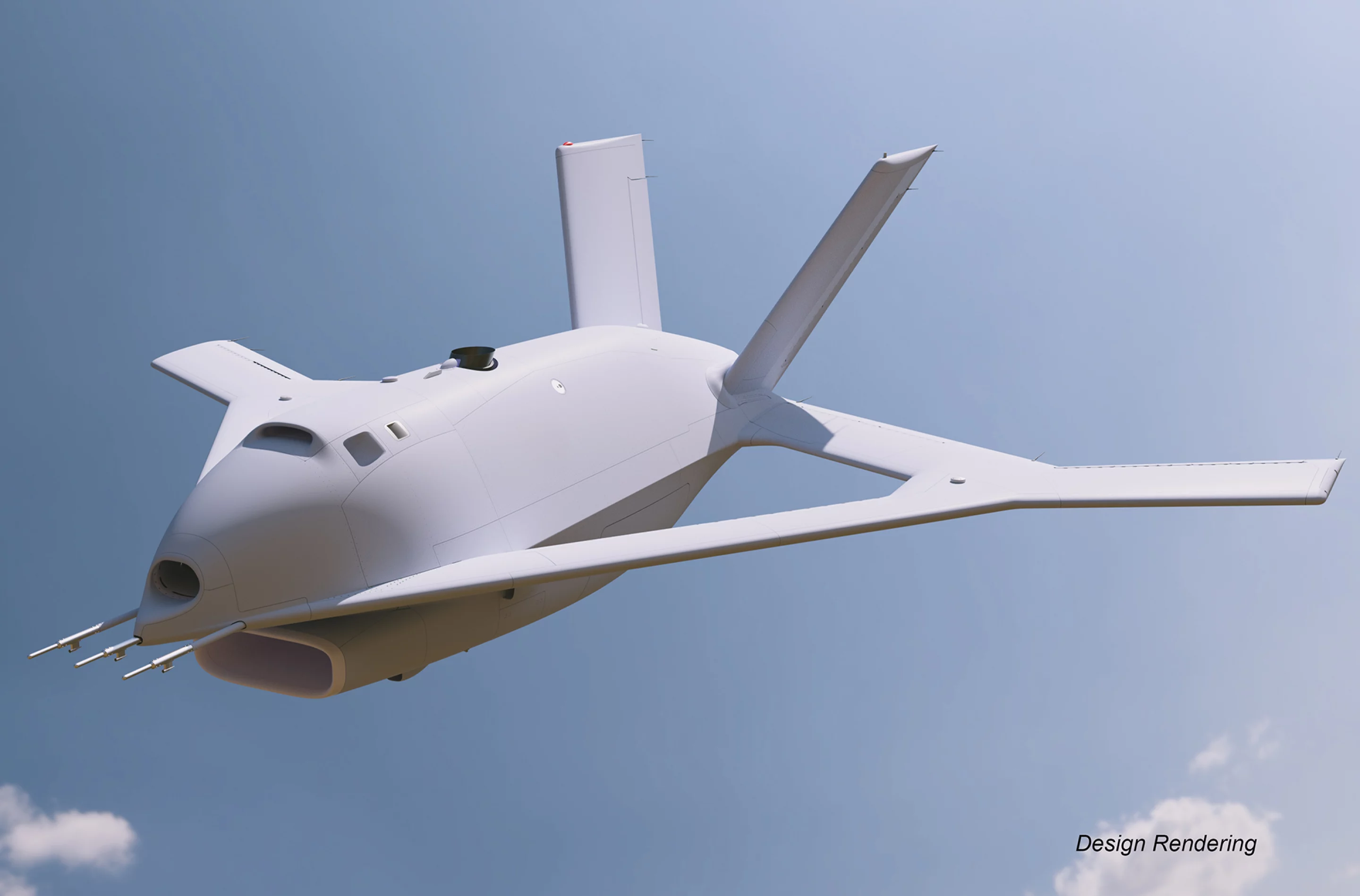
See how software-defined aerodynamics are replacing mechanical parts in next-gen aerospace engineering.
30-Second TL;DR
What Changed
X-65 utilizes active flow control to eliminate the need for mechanical flaps
Why It Matters
This technology could revolutionize aerospace design by reducing weight and mechanical complexity. It represents a significant shift in how flight control systems are architected through software-defined aerodynamics.
What To Do Next
Research active flow control algorithms if you are working on autonomous drone stability or fluid dynamics simulation.
Key Points
- •X-65 utilizes active flow control to eliminate the need for mechanical flaps
- •The project has moved from structural assembly to the pre-flight integration phase
- •Developed by Aurora Flight Sciences for DARPA to advance aerodynamic efficiency
Deep Insight
AI-generated analysis for this event — not the original article.
Enhanced Key Takeaways
- •The X-65 is part of DARPA's CRANE (Control of Revolutionary Aircraft with Novel Effectors) program, which aims to optimize aircraft design by removing complex mechanical moving parts.
- •The aircraft features a modular design, allowing for the testing of different wing configurations and active flow control actuators to validate performance across various flight regimes.
- •Active flow control (AFC) technology uses pressurized air jets to manipulate the airflow over the wing surfaces, providing control authority that traditionally required heavy, maintenance-intensive flaps and slats.
- •The X-65 is a full-scale, uncrewed X-plane designed to demonstrate that AFC can provide sufficient control for high-speed flight, potentially enabling stealthier and more efficient airframe designs.
- •Aurora Flight Sciences, a subsidiary of Boeing, is leveraging advanced computational fluid dynamics (CFD) and wind tunnel testing data to refine the AFC nozzle placement and pressure requirements prior to the first flight.
Technical Deep Dive
- Control Mechanism: Employs Active Flow Control (AFC) actuators that utilize compressed air to modify aerodynamic forces, replacing traditional mechanical control surfaces like ailerons and flaps.
- Airframe Architecture: Modular wing design allowing for the integration of various AFC effector configurations to test scalability and control effectiveness.
- Propulsion Integration: The system requires an internal air supply, likely bled from the engine or provided by an independent compressor, to feed the AFC nozzles.
- Flight Control System: Integrates specialized flight control laws capable of managing AFC effectors, which exhibit different response characteristics compared to traditional mechanical surfaces.
Future ImplicationsAI analysis grounded in cited sources
Timeline
- 2022-01DARPA awards Phase 0 contract for the CRANE program to Aurora Flight Sciences.
- 2023-01Aurora Flight Sciences selected to lead Phase 2 of the CRANE program, focusing on X-65 design.
- 2023-12DARPA officially designates the experimental aircraft as the X-65.
- 2025-05Completion of critical design review (CDR) for the X-65 airframe.
- 2026-05Aurora Flight Sciences completes delivery of the X-65 wings to the integration facility.
Weekly AI Recap
Read this week's curated digest of top AI events →
Related Updates

AI-curated news aggregator. All content rights belong to original publishers.
Original source: cnBeta (Full RSS) ↗
This is a summary, not the original. Read the source, or get the weekly briefing.
The weekly digest
One email a week. Unsubscribe anytime.